Tag: Offices

Ministry of Defence

Ministry of Defence

Rijksvastgoedbedrijf

The Ministry of Defence has been an important part of The Hague for many years, with its main office located on Kalvermarkt for centuries. Over time, the building grew in different stages, especially until the mid-1900s. By the early 2000s, however, it became clear that a major renovation was needed. A comprehensive renovation and modernization were required, both to update the working areas and to integrate the separate components of the building into a cohesive whole.

  • project

    Ministerie van Defensie

  • location

    The Hague

  • client

    Rijksgebouwendienst

  • function

    office

  • size

    35.000 m²

  • year

    2012

  • status

    built

  • design

    Sander Architecten

  • project architects

    Ellen Sander, Jeroen Steenvoorden in collaboration with Jeroen Spee

  • building engineerring

    VDNDP Bouwingenieurs

  • constructor

    Pieters Bouwtechniek Delft


A Unified Design Through Architectural Ingenuity


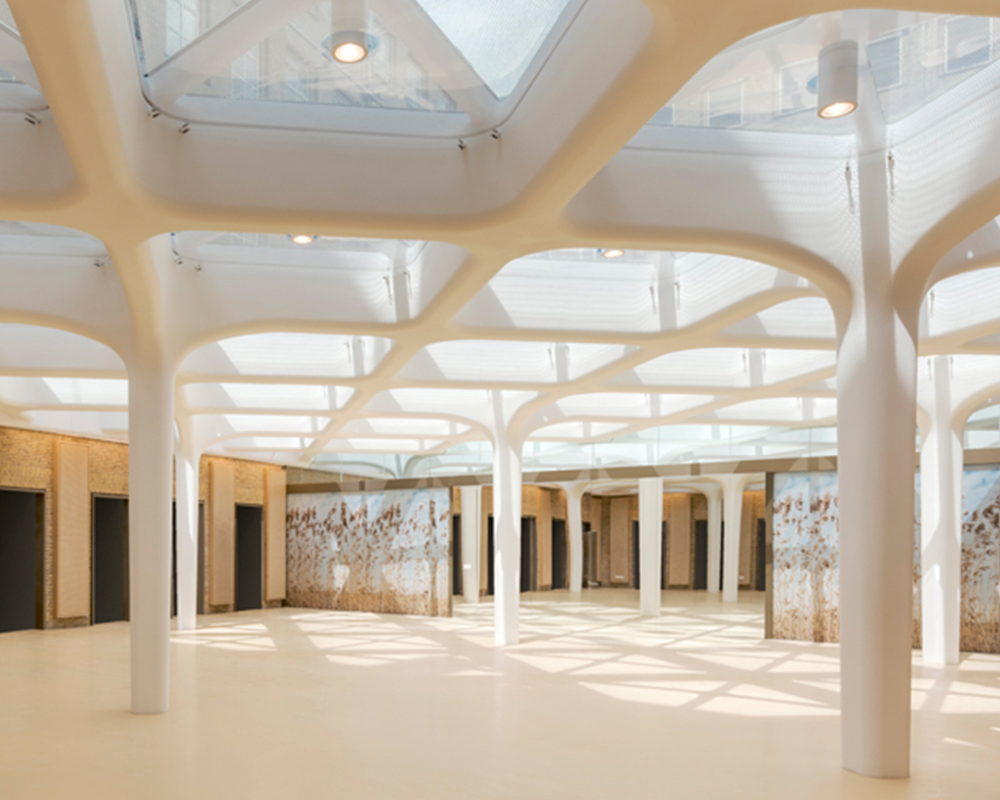
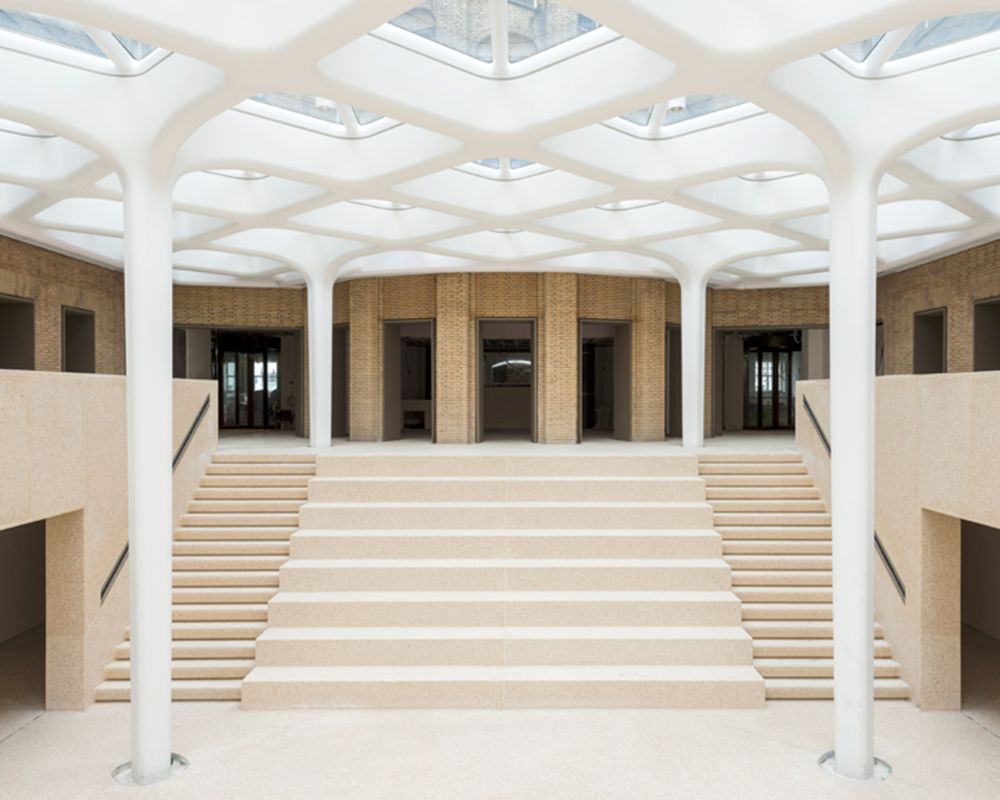
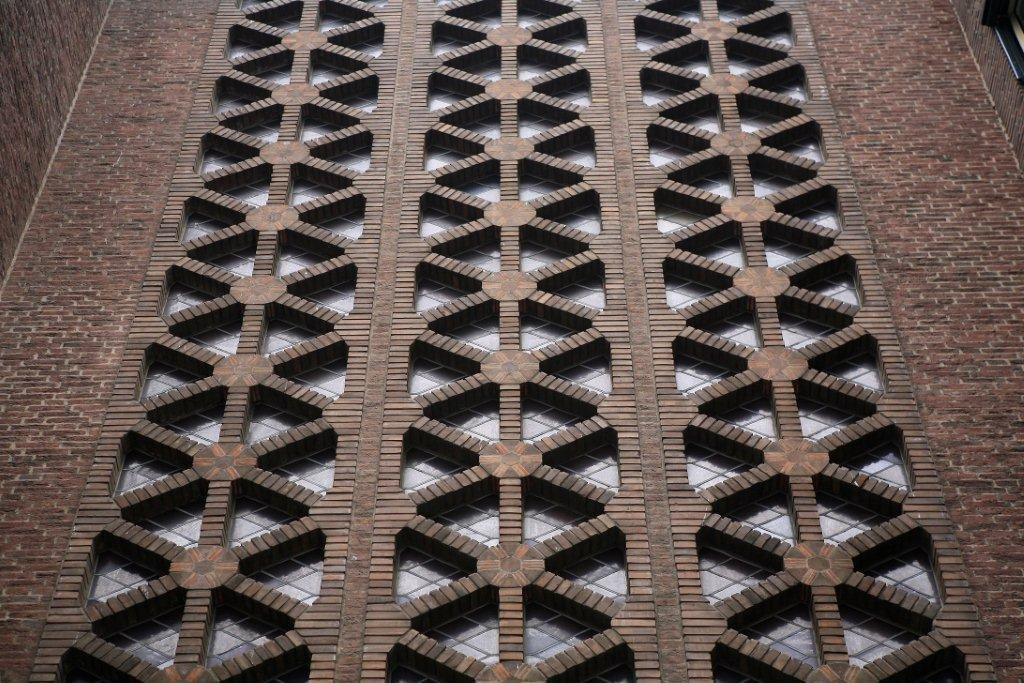
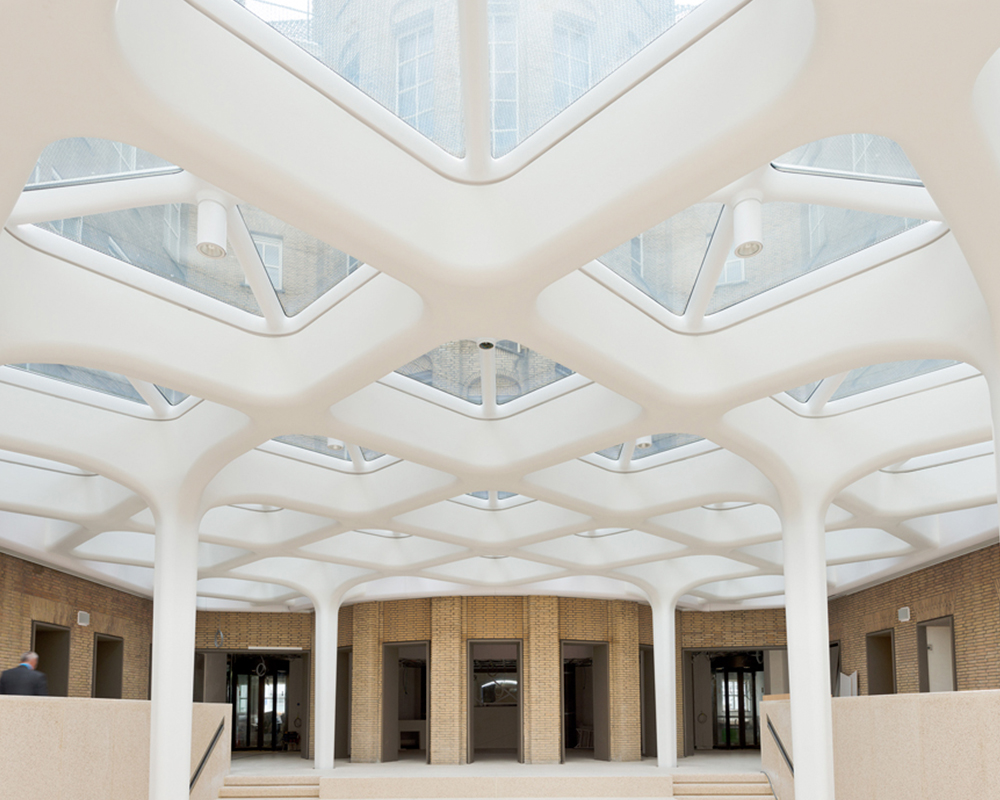
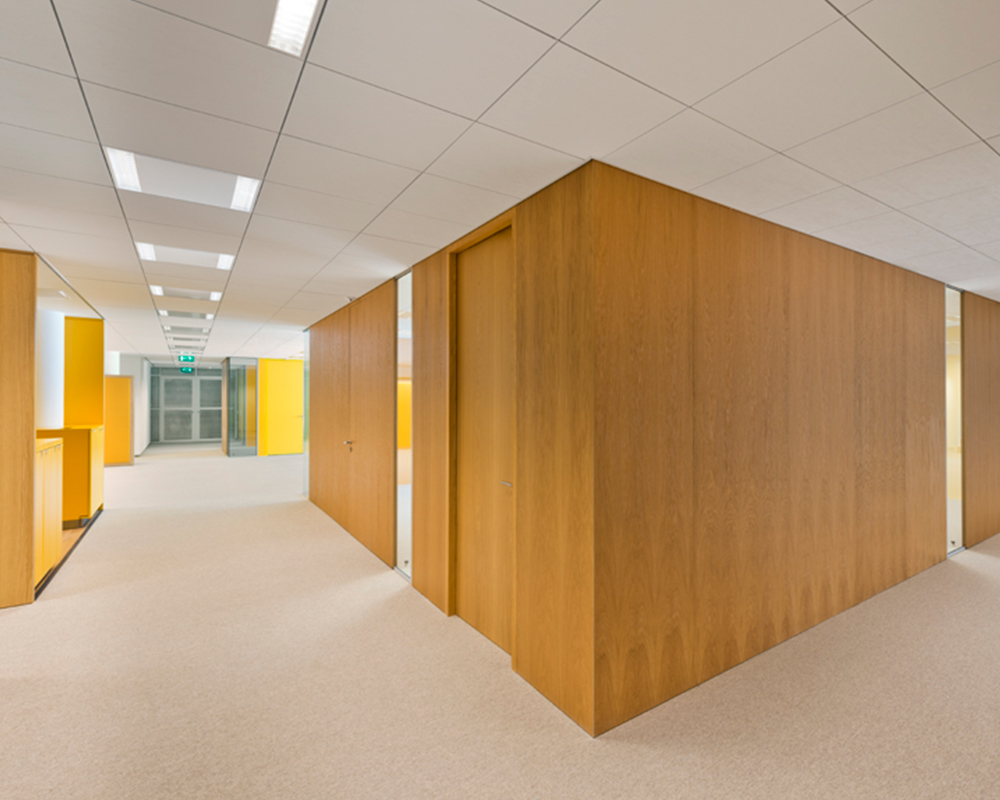
The solution came in the form of a bold architectural decision: covering the Ministry’s existing courtyards with a new concrete structure. This approach transformed the individual sections of the building into a unified whole, creating a new entrance system on the ground floor. The cross-shaped layout allows efficient movement throughout the building and serves as a subtle reference to the detailing of the façade, originally designed by architect and former Rijksbouwmeester G. Friedhoff, along with Rijksarchitect Hoekstra.
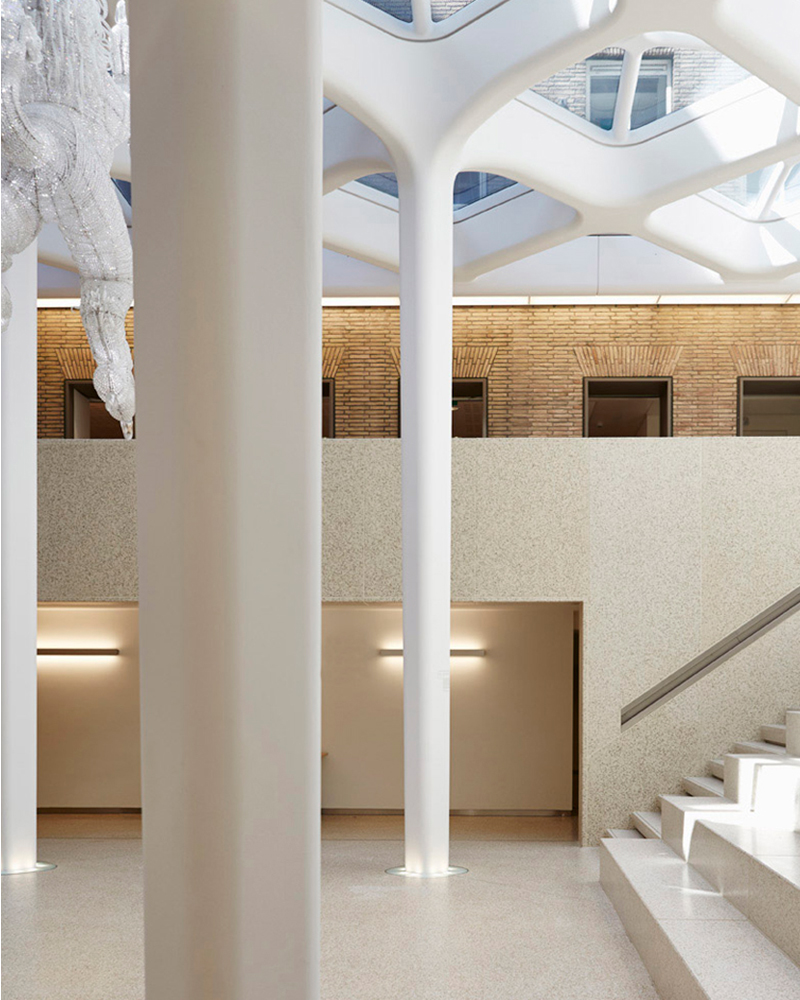
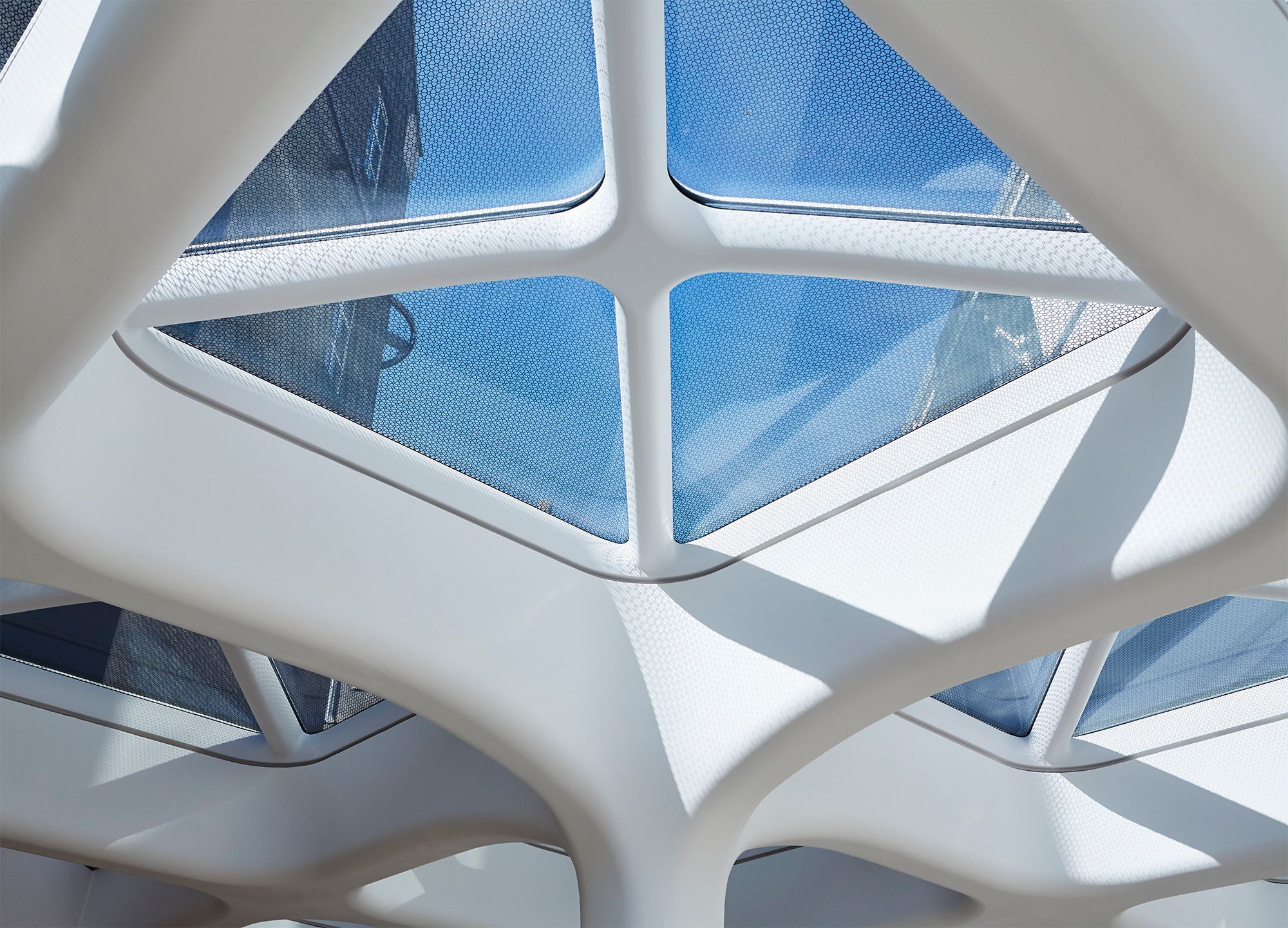
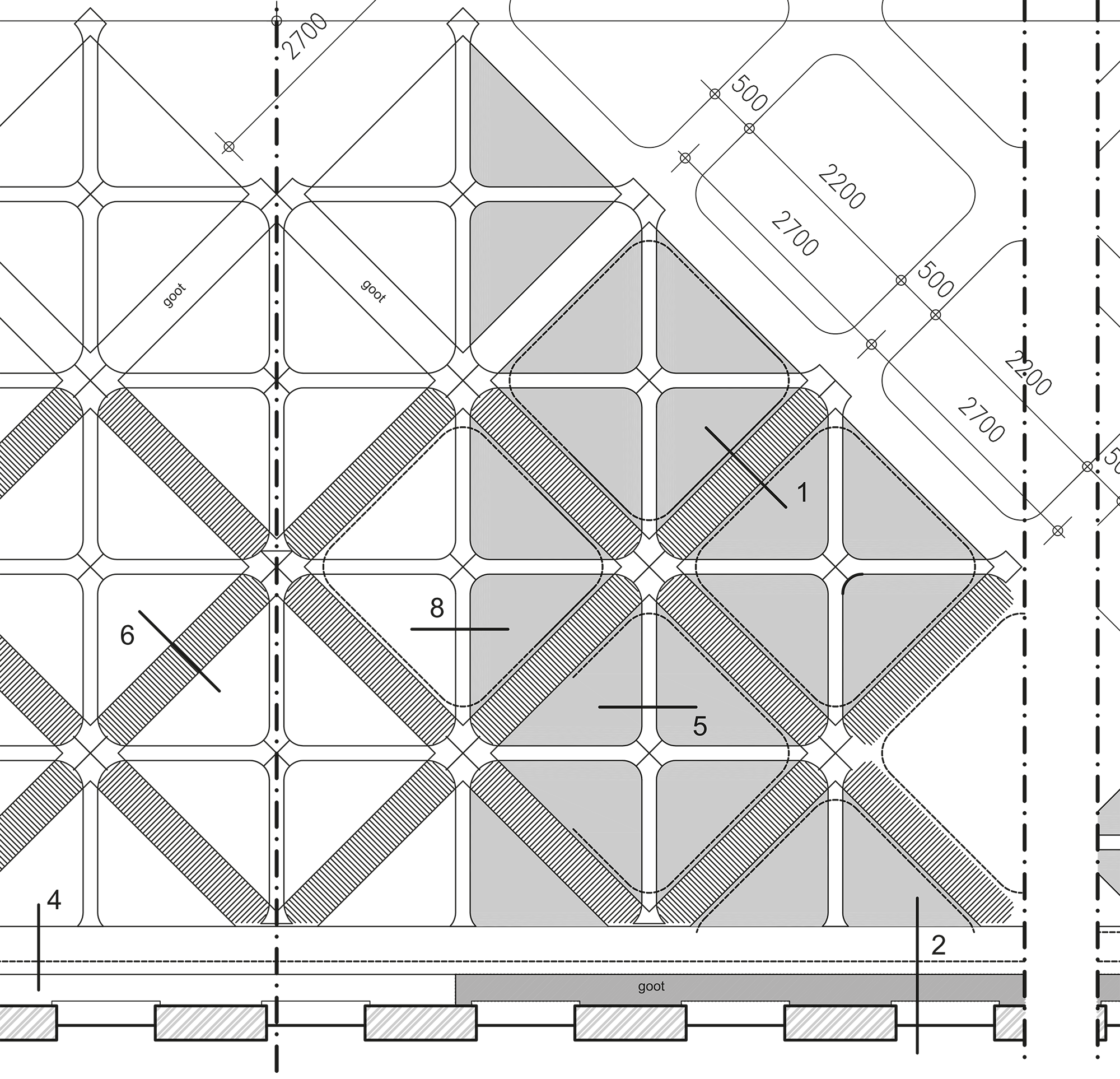

One of the most striking elements of the renovation is the innovative roof design. It is robust yet refined, aligning perfectly with the Ministry’s core identity. The roof’s supporting columns are strategically placed, mimicking the arrangement of trees in a forest, creating a sense of organic flow. The overall construction is based on two levels: a primary structure made from a combination of prefabricated and in-situ concrete, and a secondary grid of composite materials paired with pyramid-shaped skylight domes.
Innovative, robust, and subtle


More projects


Continue reading

Police Elst

Police Elst

Sustainable
Police Facilities

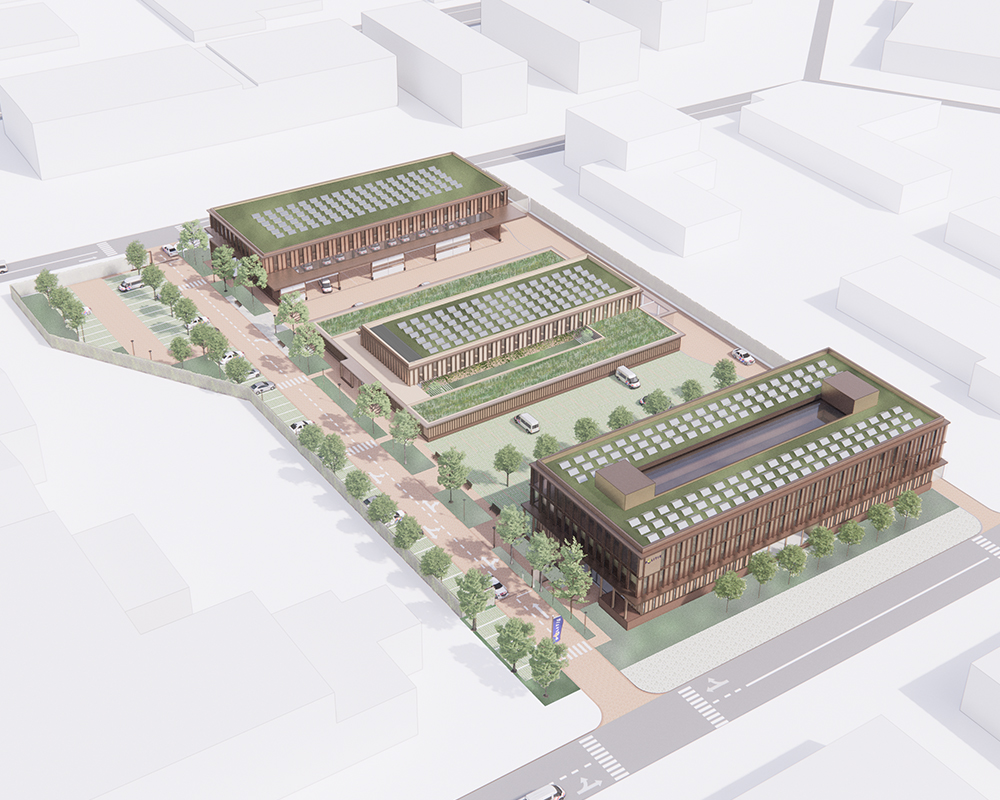
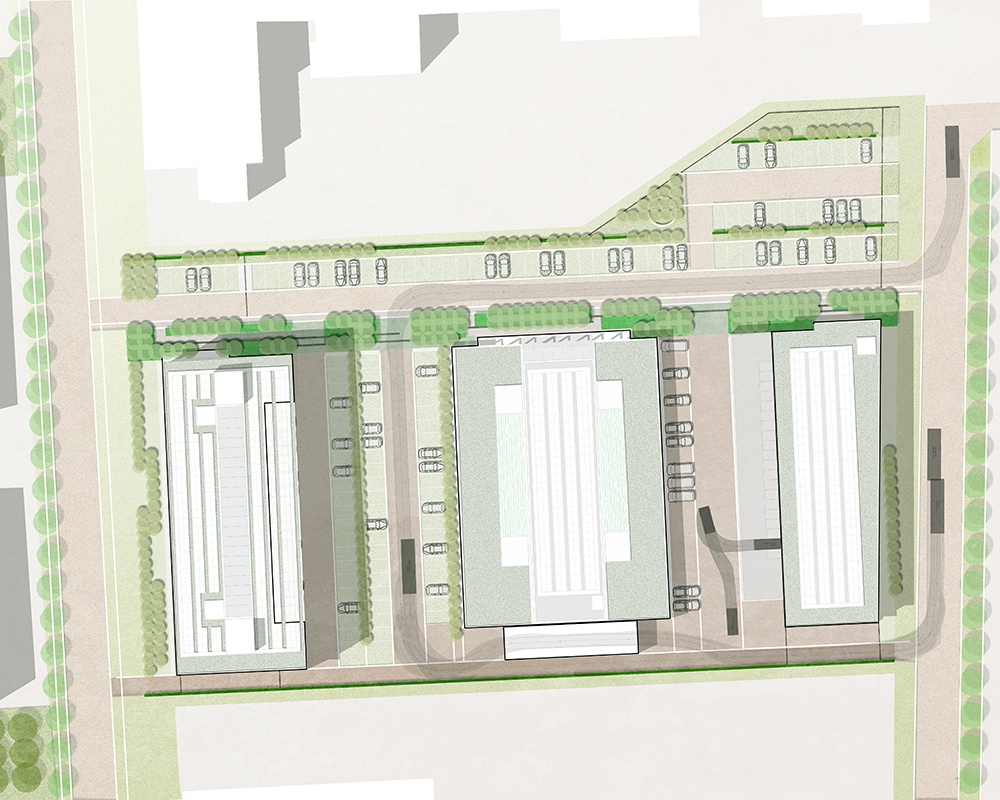
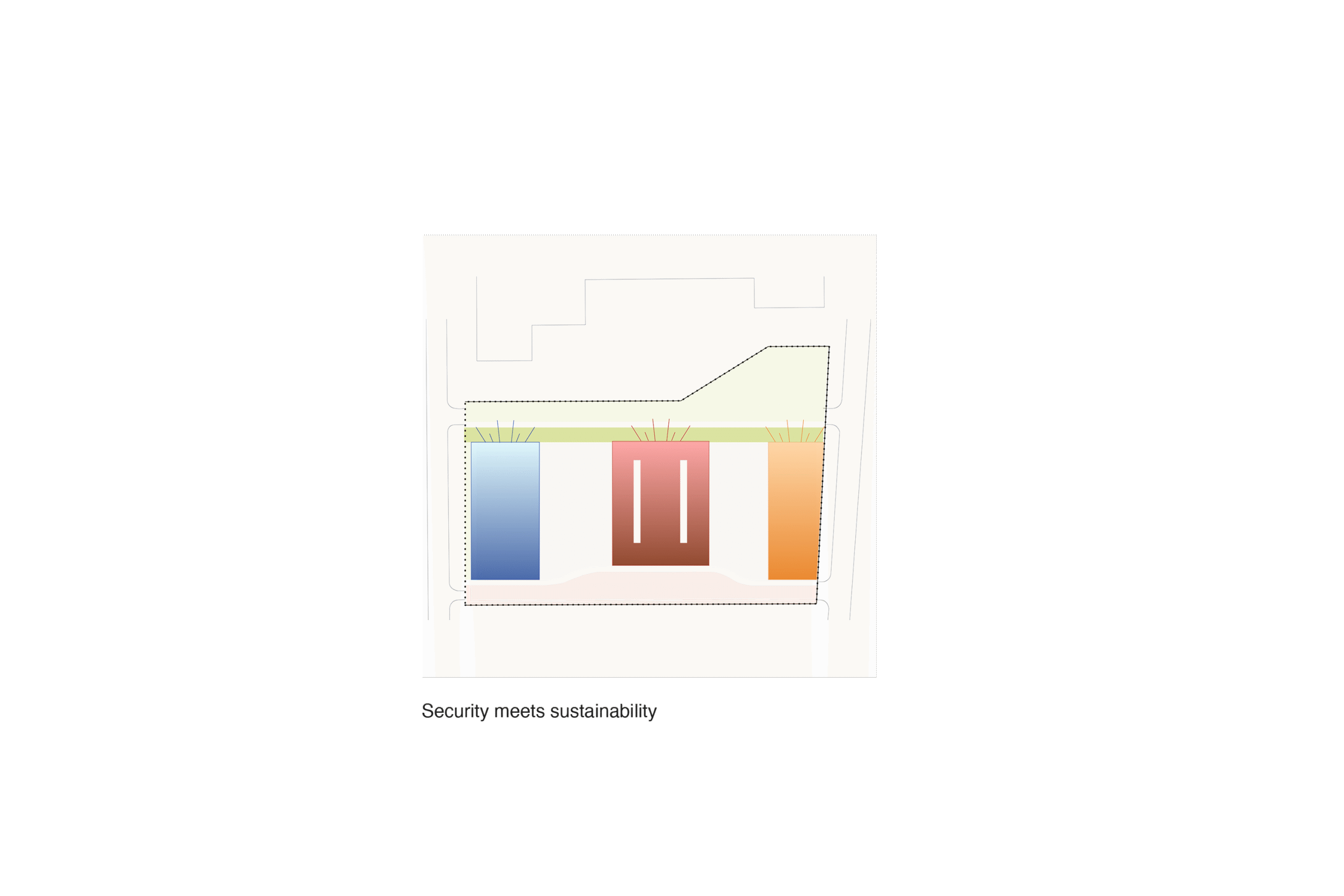
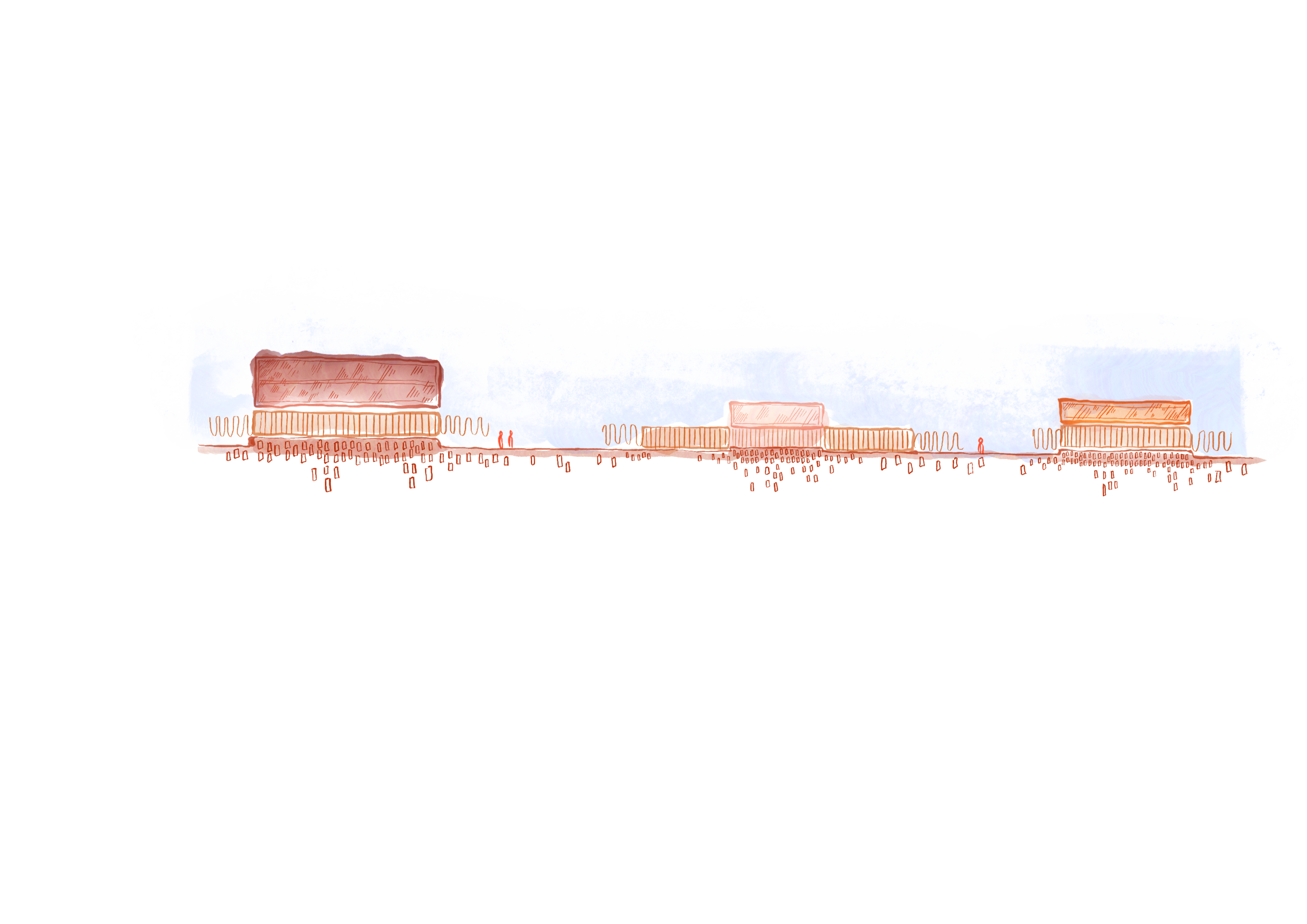
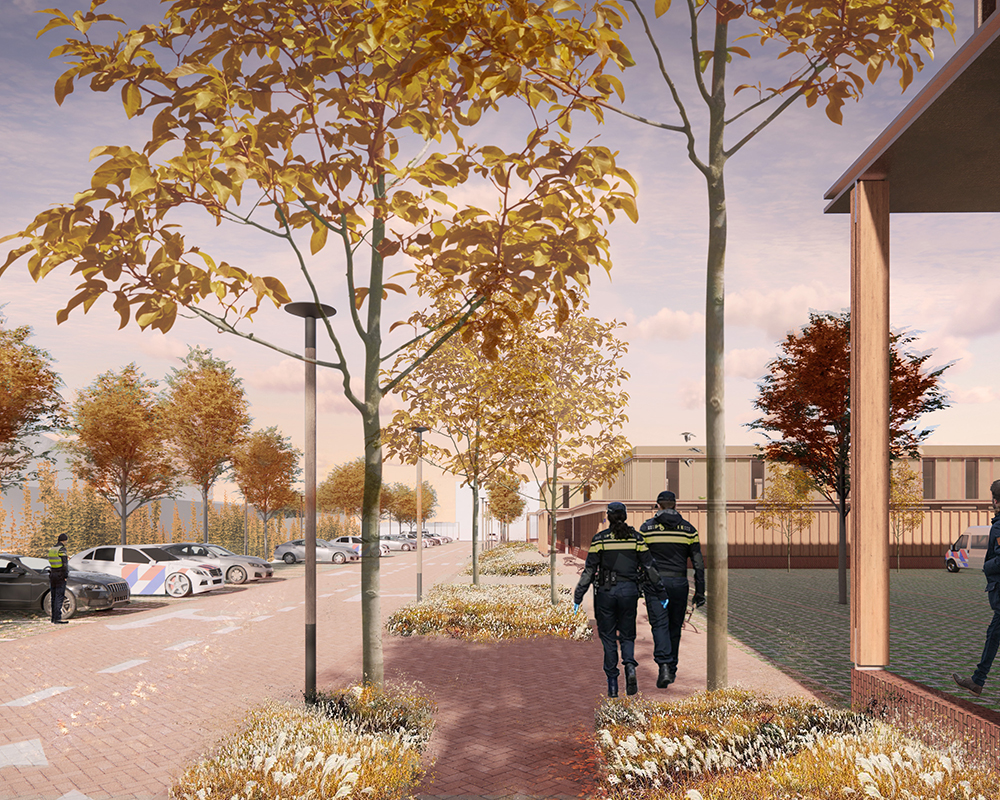
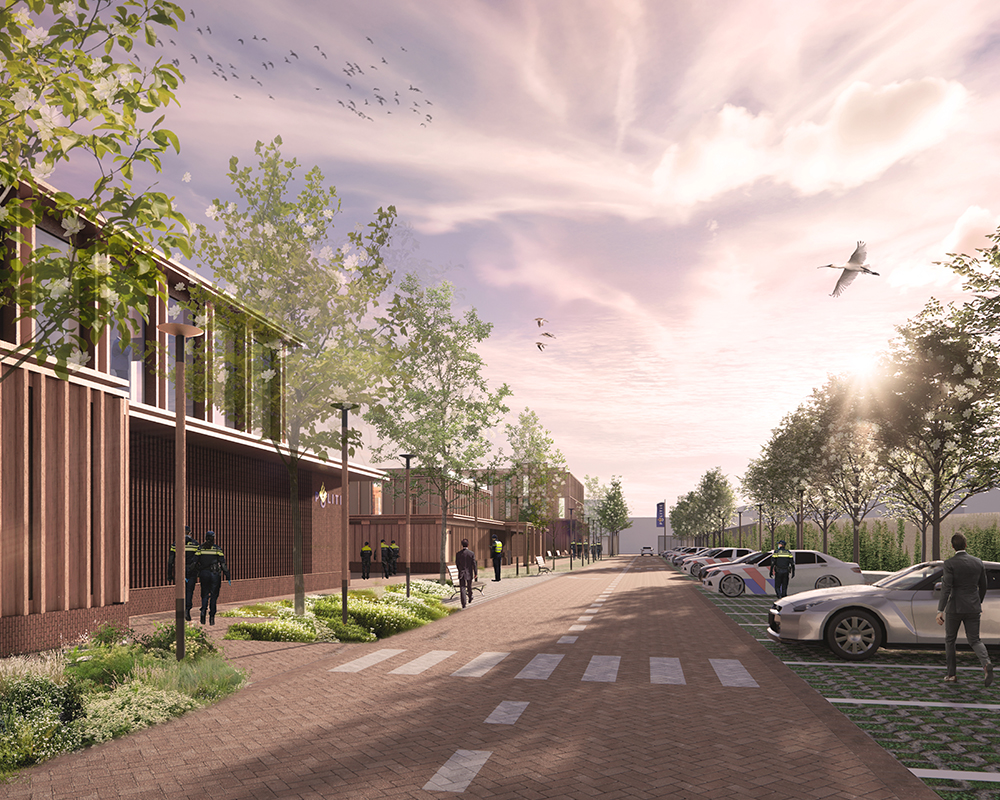
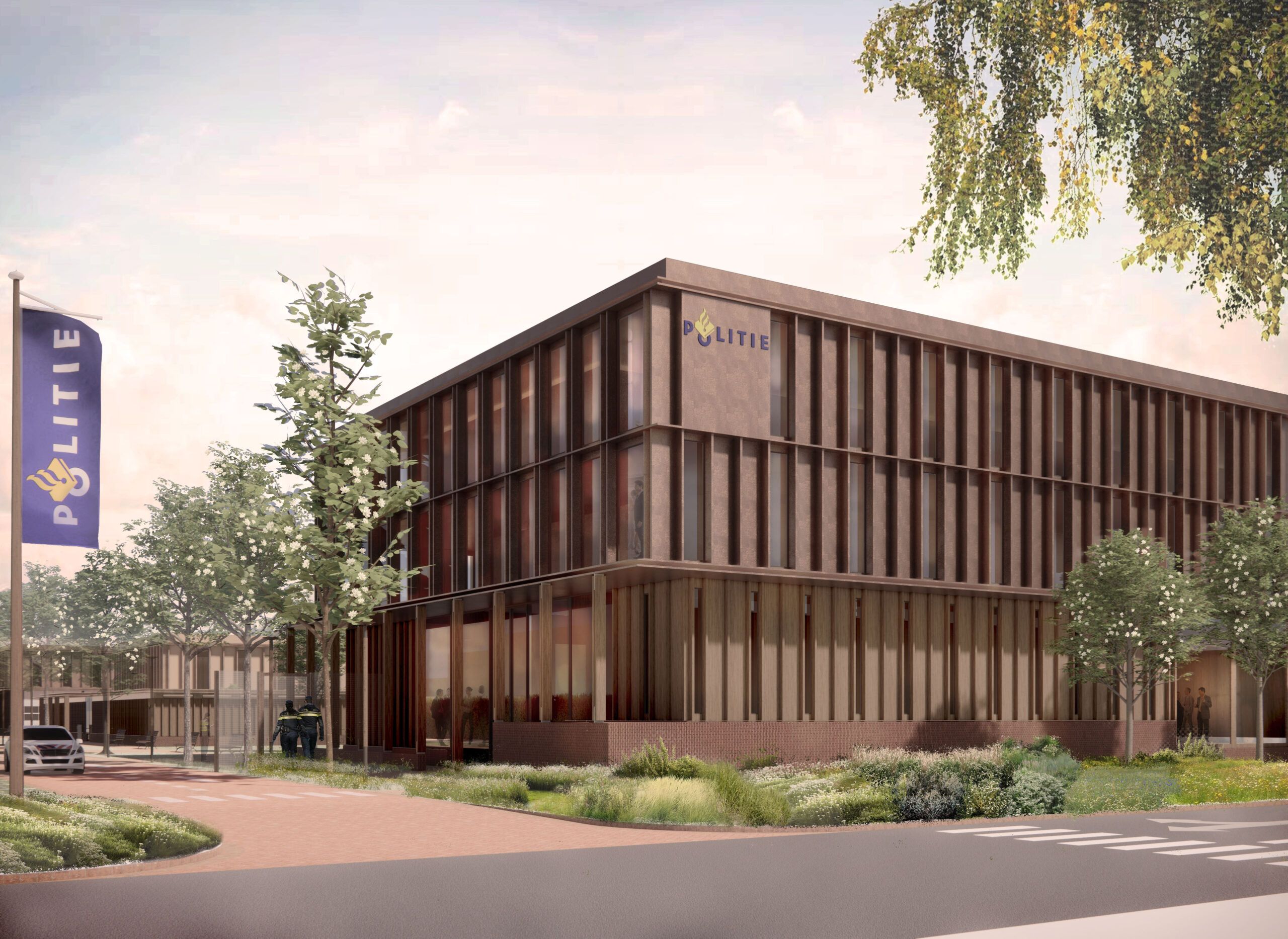
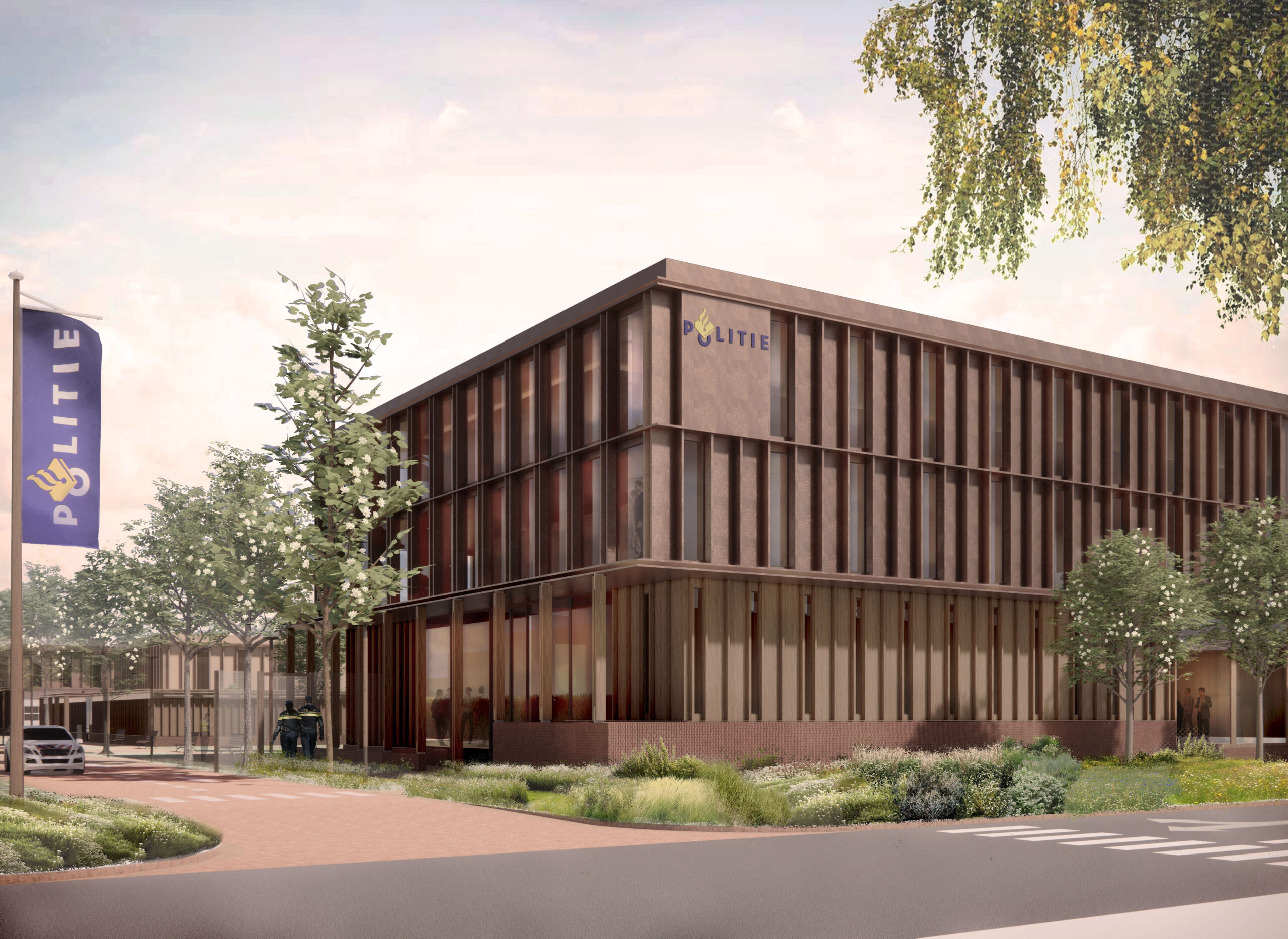
The new Police Complex Elst (PCC) is designed as a future-proof, safe, and adaptive workplace. Organized into three zones: a green orchard, efficient workspaces, and a functional transfer zone, it ensures optimal logistics and synergy between components. The campus structure enhances security and flexibility while allowing for future expansion or downsizing. Clear zoning avoids conflicting traffic flows, and the routing between the riot control unit, detention center, and office cluster is efficient and secure. The layout promotes daylight, visibility, and clarity. Low-tech, smart solutions such as modular materials and circular construction minimize energy use and maintenance, supporting long-term operational resilience.

  • project

    Police Elst

  • location

    Elst

  • client

    Dutch National Police

  • function

    offices, fallback location, detention centre

  • year

    2023

  • type

    competition 

  • design

    studio PROTOTYPE

  • project architects

    Jeroen Steenvoorden in collaboration with Jeroen Spee

  • project team

    Diederik Hermens, Peter Rugebregt, Rodolfo Siccardi, Wiktoria Matysiak


A smart and secure campus shaped by clarity and flexibility


Rooted in the landscape, designed for wellbeing

The design combines an industrial character with warm, locally inspired architecture using brick, wood, and modular metal elements. The green orchard not only connects buildings visually but also fosters a sense of calm and wellbeing. Architecture responds to the seasons, enhancing user experience and reinforcing identity. The campus emphasizes health and comfort through daylight access, quiet zones, and relaxation areas. Transparent entrances and privacy-sensitive façades balance openness with discretion. Biophilic and WELL design principles promote mental and physical health in a demanding profession. The layout encourages movement and interaction, creating a work environment where police staff feel secure, focused, and proud.

Circular by design, prepared for tomorrow


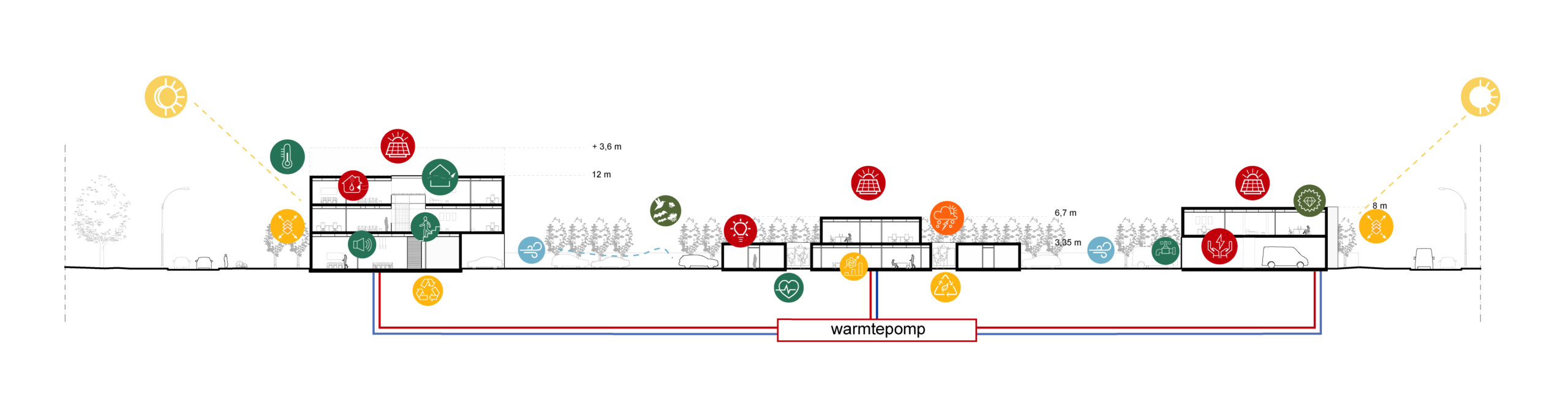
The PCC is conceived as a modular, low-carbon ecosystem aligned with long-term adaptability. A parametric design approach optimizes energy use, daylight, orientation, and reusability. Prefabricated elements, low-emission materials, and circular construction methods result in a significantly reduced environmental footprint. The site integrates water management, biodiversity, and climate resilience through green roofs, native planting, and wildlife habitats. The orchard supports ecological goals and reduces heat stress. Separate access routes streamline logistics while preserving safety. With flexible zoning and scalable building structures, the campus is capable of adapting to future demands. This integrated approach ensures the PCC is efficient, sustainable, and environmentally responsible.

More projects

Continue reading