Tag: Offices

Justice Office

Justice Office

Rijksvastgoedbedrijf
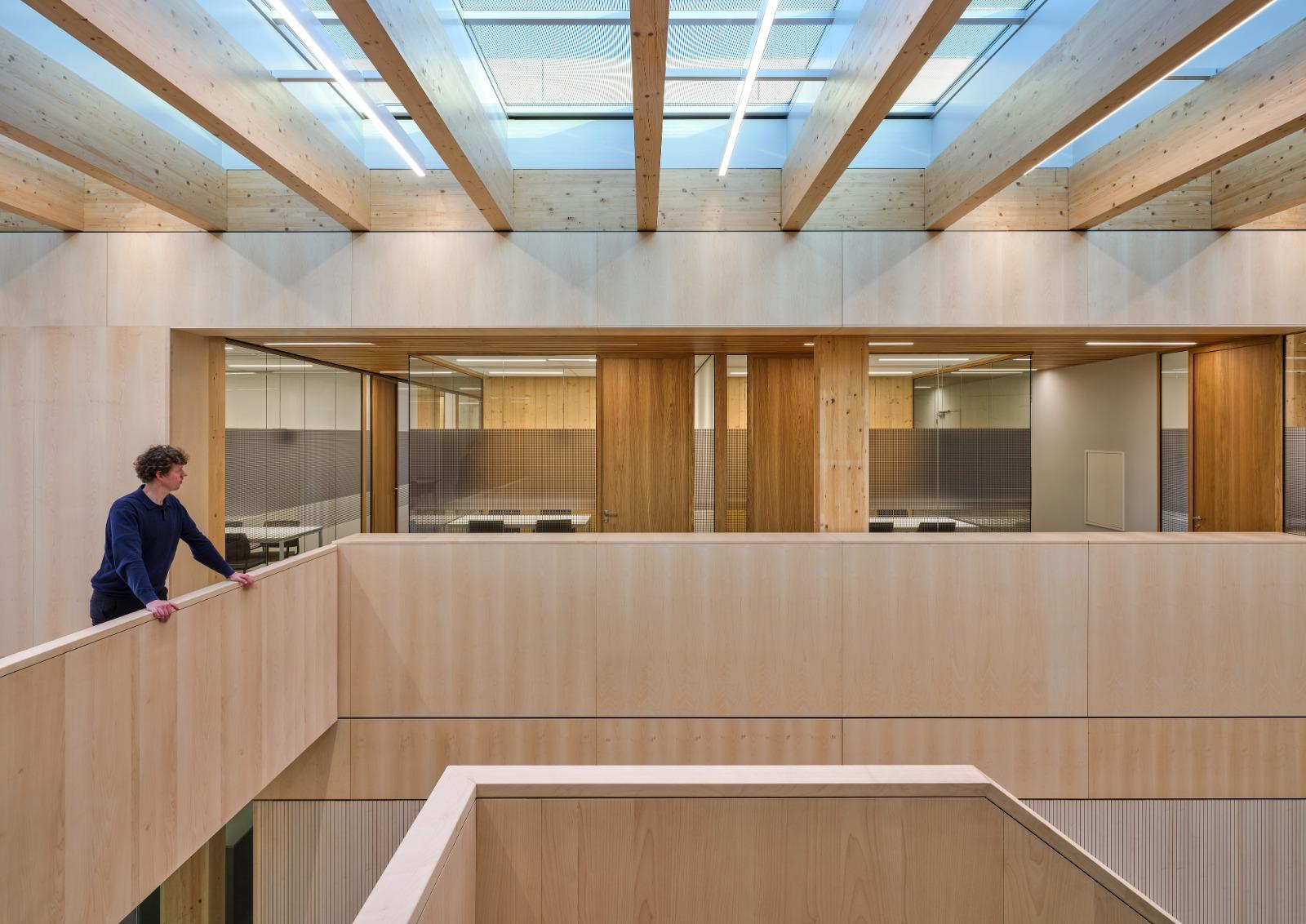
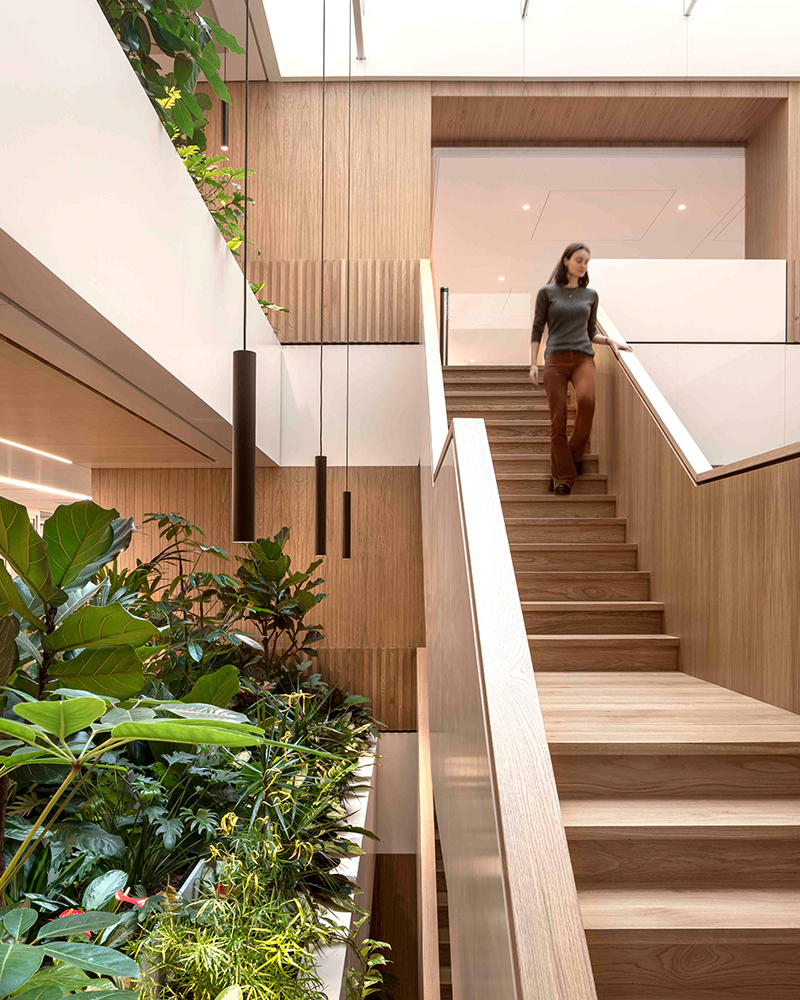
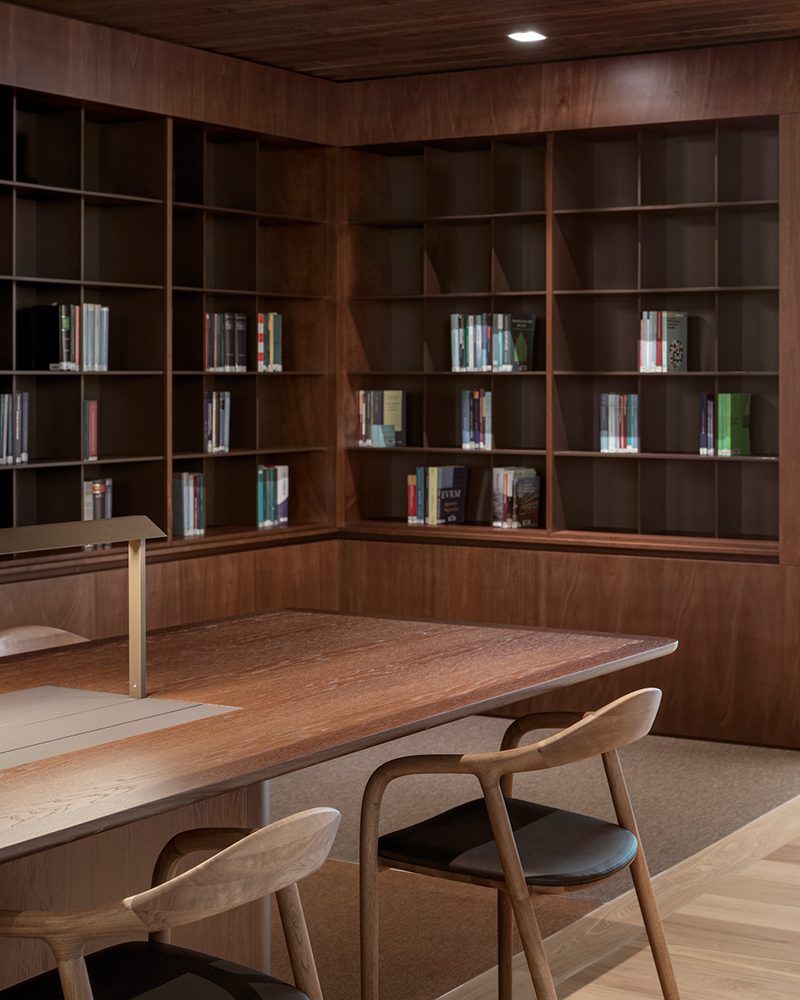
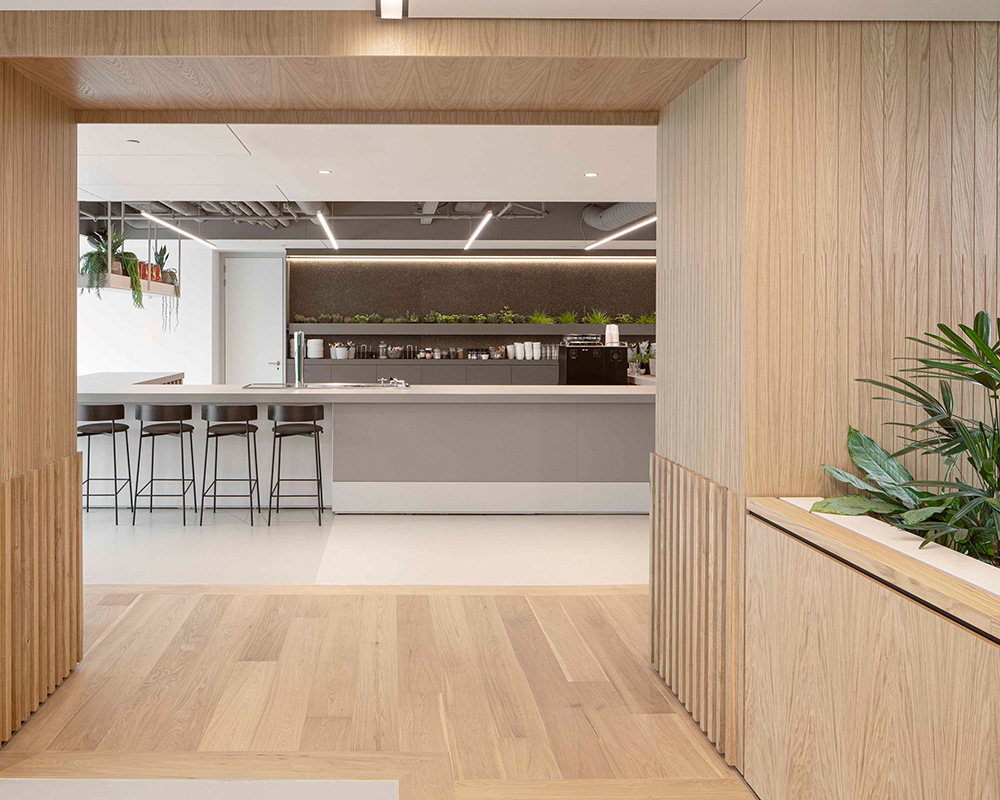
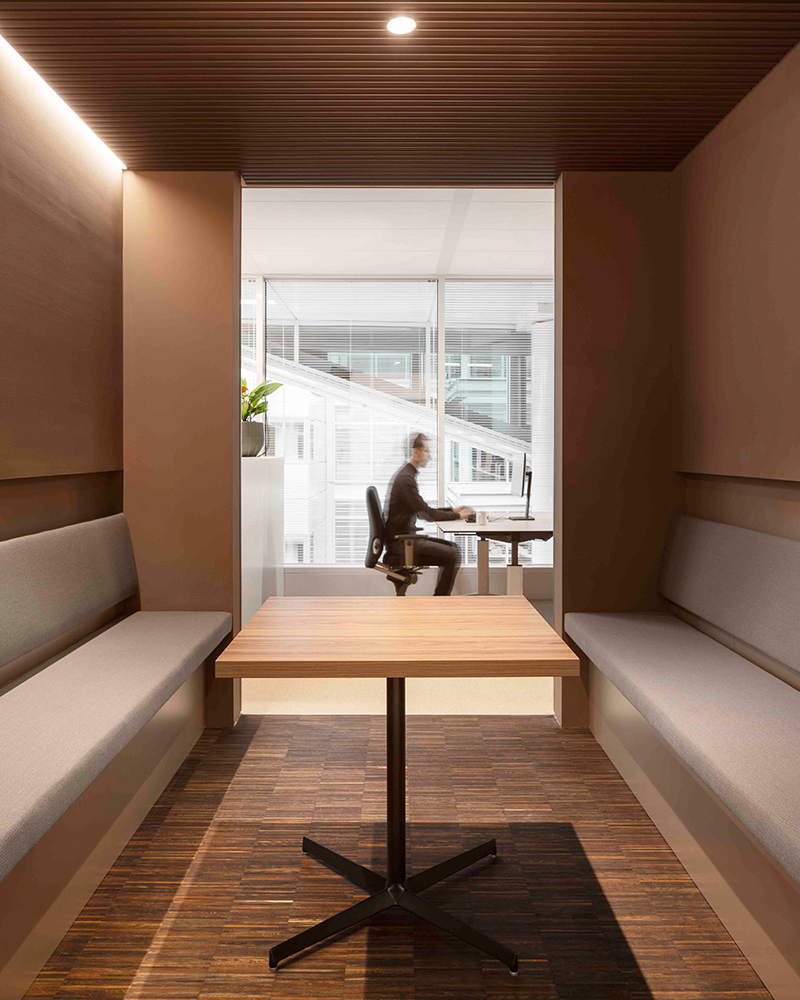
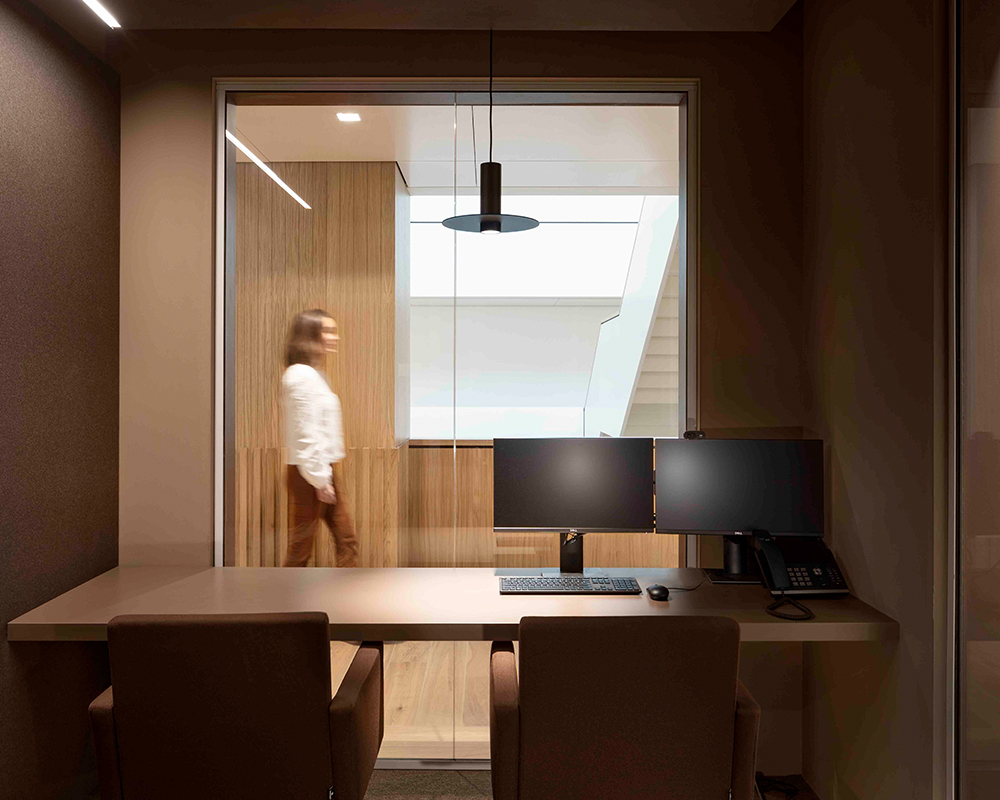
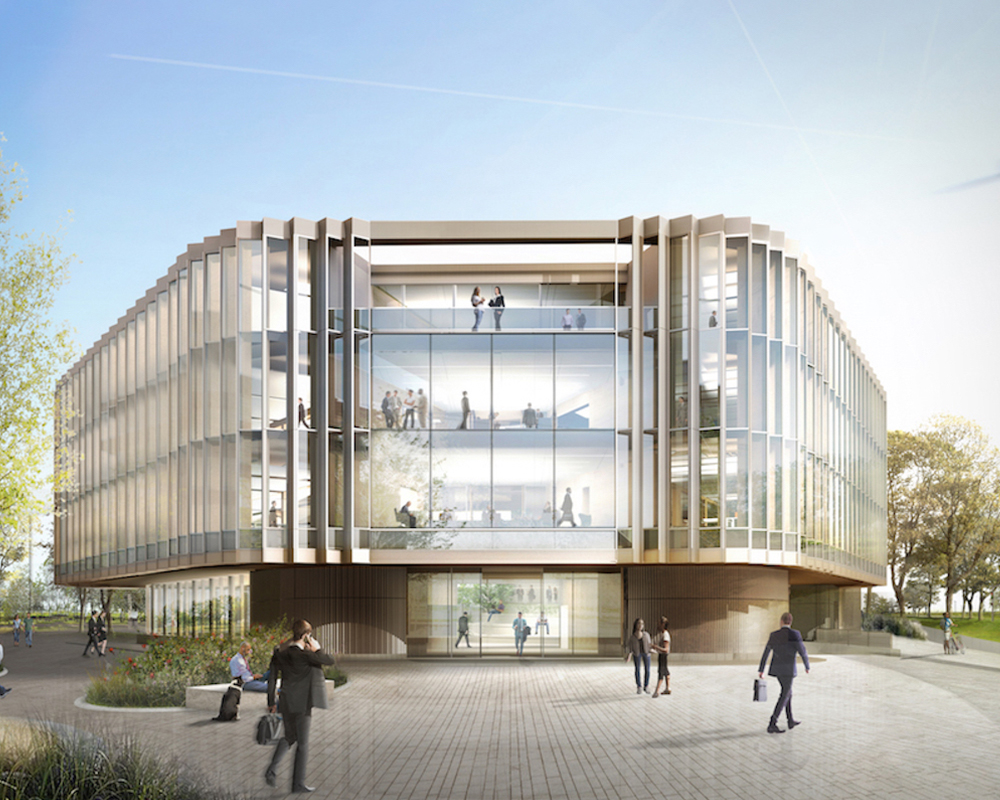
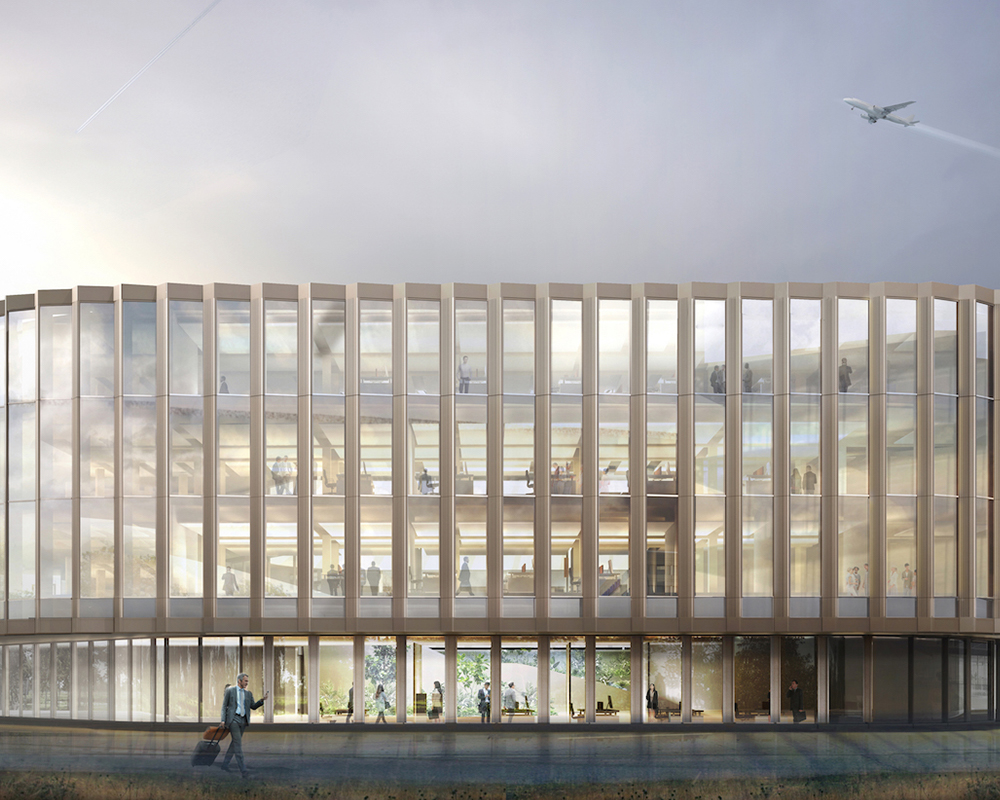
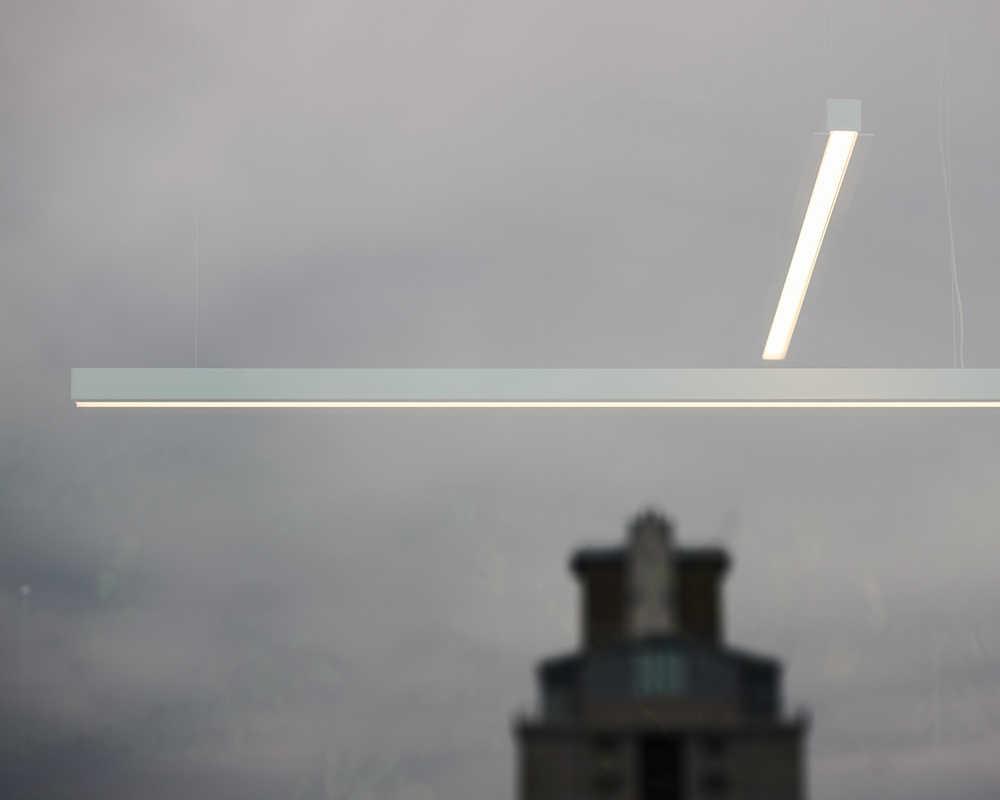
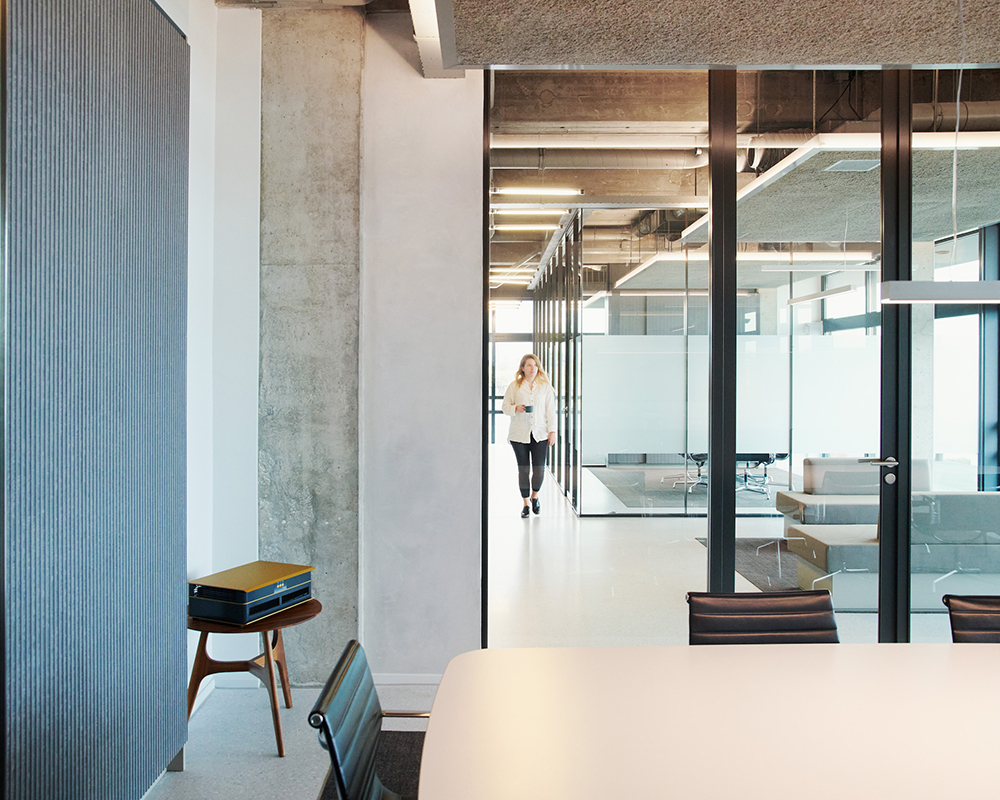
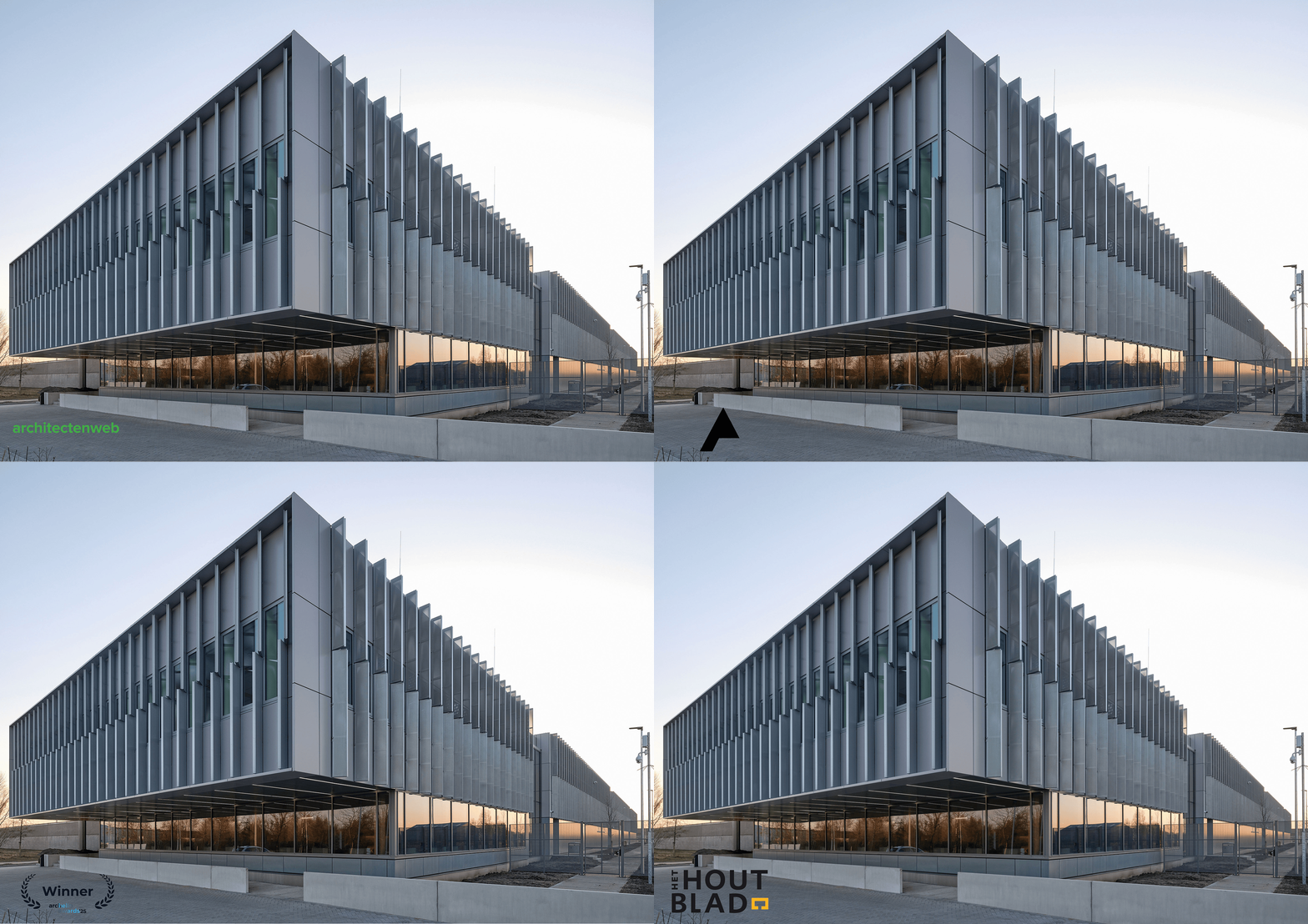
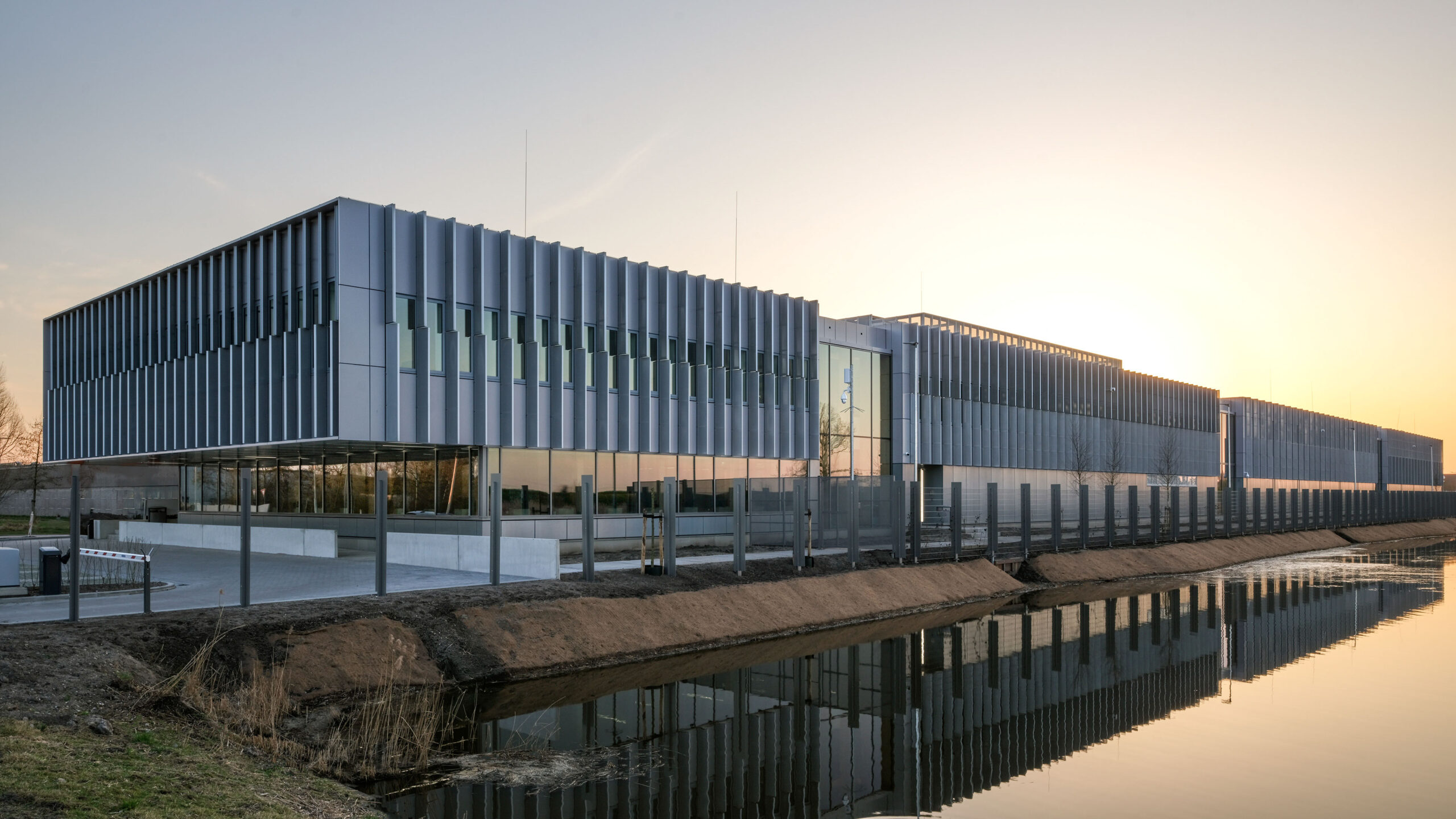
Commissioned by the Dutch Central Government Real Estate Agency (Rijksvastgoedbedrijf), the new building for the Ministry of Justice in Zaanstad has been completed. This unique complex of approximately 7,650 m², designed by Studio PROTOTYPE and built by BINX Smartility West, marks a milestone in sustainable construction. It is largely composed of a timber CLT (cross-laminated timber) load-bearing structure — the largest CLT structure the Central Government Real Estate Agency has realized to date. The result is a functional and sustainable facility, including office, meeting, and training spaces.

  • project

    Justice Office

  • location

    Zaandam

  • client

    Rijksvastgoedbedrijf

  • function

    offices, training and parking

  • size

    7.500 m²

  • year

    2025

  • status

    built

  • collaboration

    BINX Smartility, ArchiTech Company, Dijk&co icm Donker Design

  • design

    studio PROTOTYPE

  • art

    Studio LA

  • project architects

    Jeroen Steenvoorden in collaboration with Jeroen Spee, Diederik Hermens

  • project team

    Peter Rugebregt, Alicja Bedkowska, Rodolfo Siccardi, Nicolò Franchetto, Ana Vallés Gonzáles de Quevedo, Wiktoria Matysiak

  • photos

    Jeroen Musch

  • awards

    Nominated for ARC25

  • Nominated for Architectenweb Office Building of the Year 2025

  • Winner of the Archello Office Building of the Year 2025 in the Public Vote category

  • Nominated for Houtbouw Prize 2025


Connecting light atriums


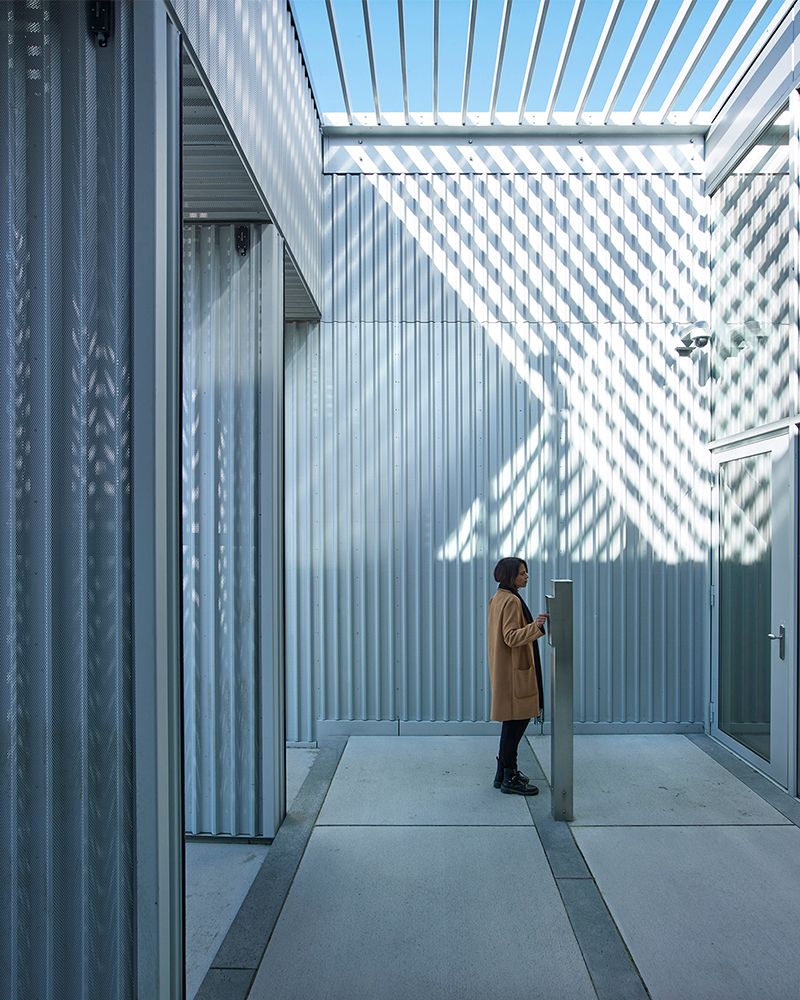
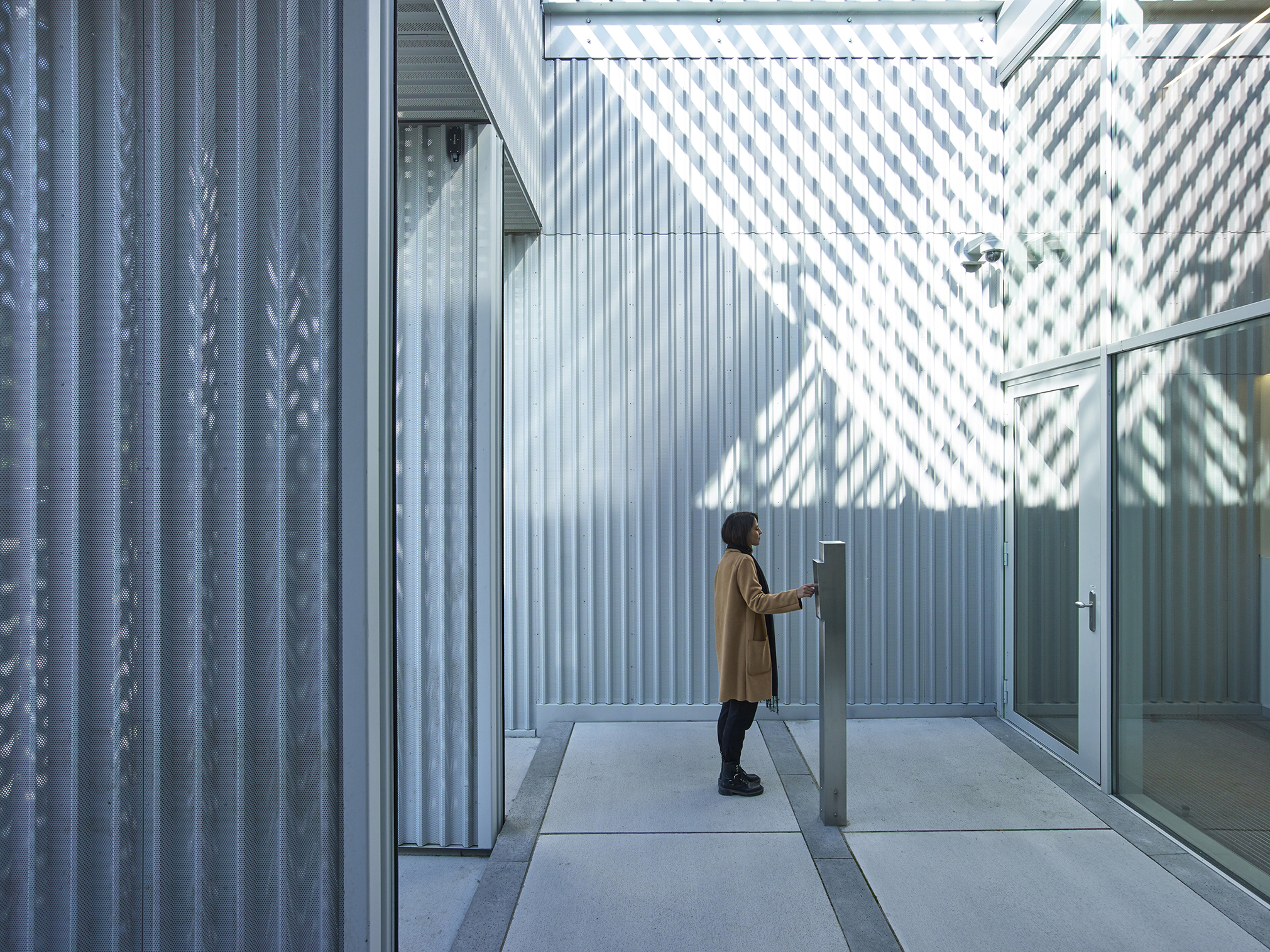
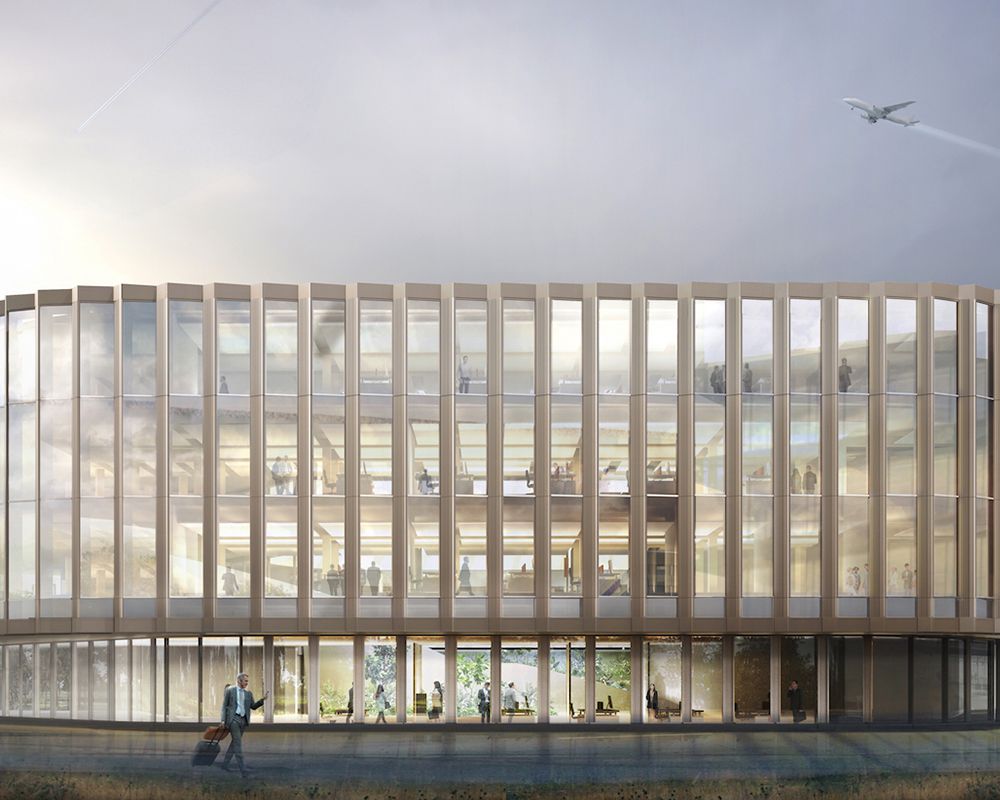
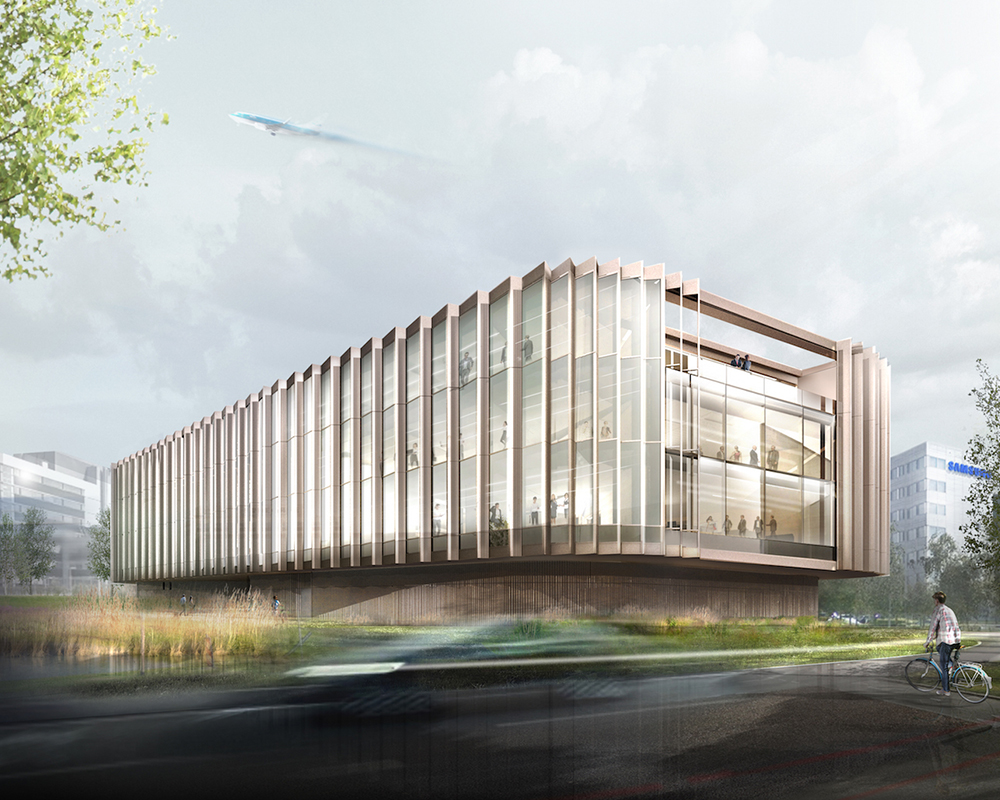
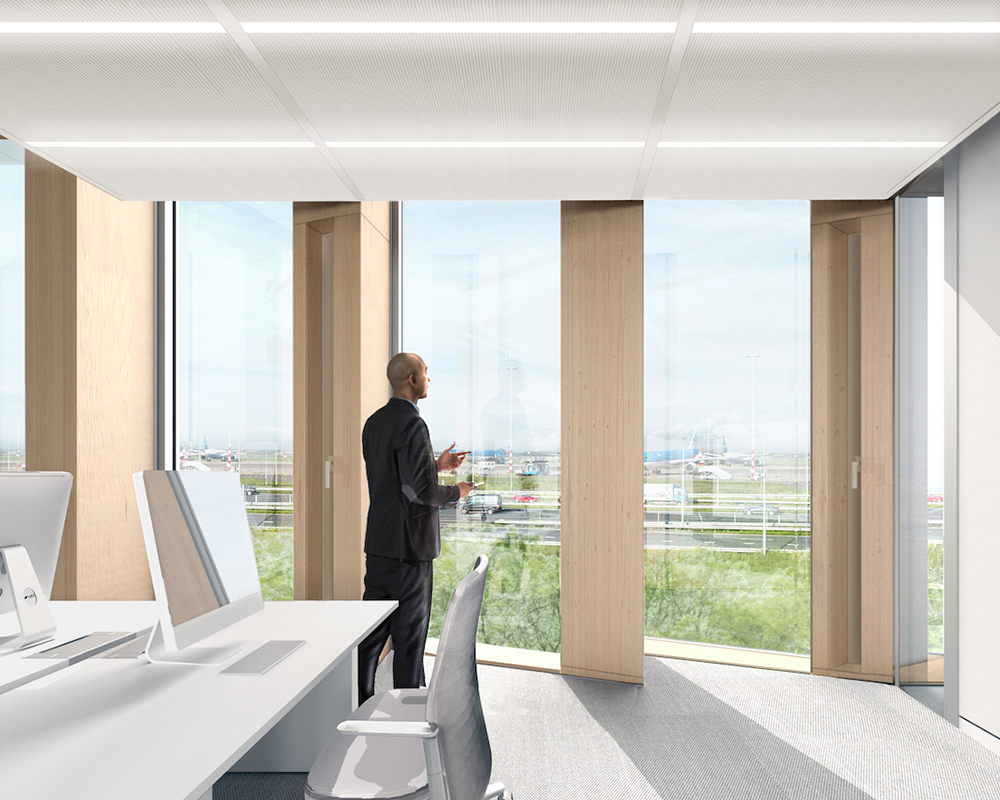
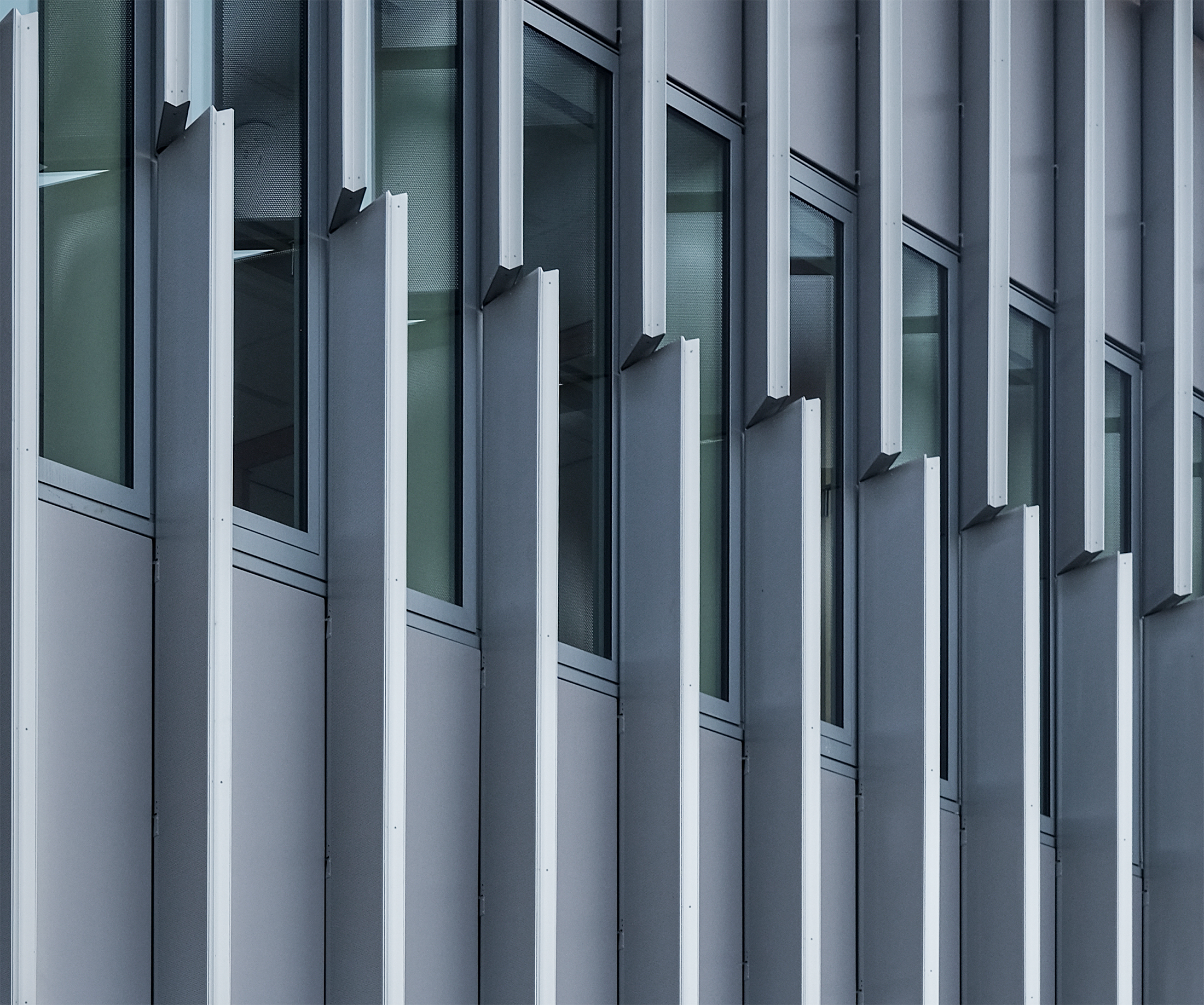
For our client, being able to quantify the benefits of the design was essential. Together with the integrated project team, we identified parameters that were optimized within a parametric model. The façade, equipped with parametrically designed louvers, strikes a balance between daylight, energy consumption, and privacy. The result is an adaptive louver structure on the façade, positioned to limit visibility into the building while maximizing views outward and optimizing the balance between solar gain and daylight access. Additionally, the louvers contribute to an energy-efficient building with ample natural light and limited visibility from the outside. As a result, the building is Paris-proof (aligned with the Paris Agreement) and energy-generating.
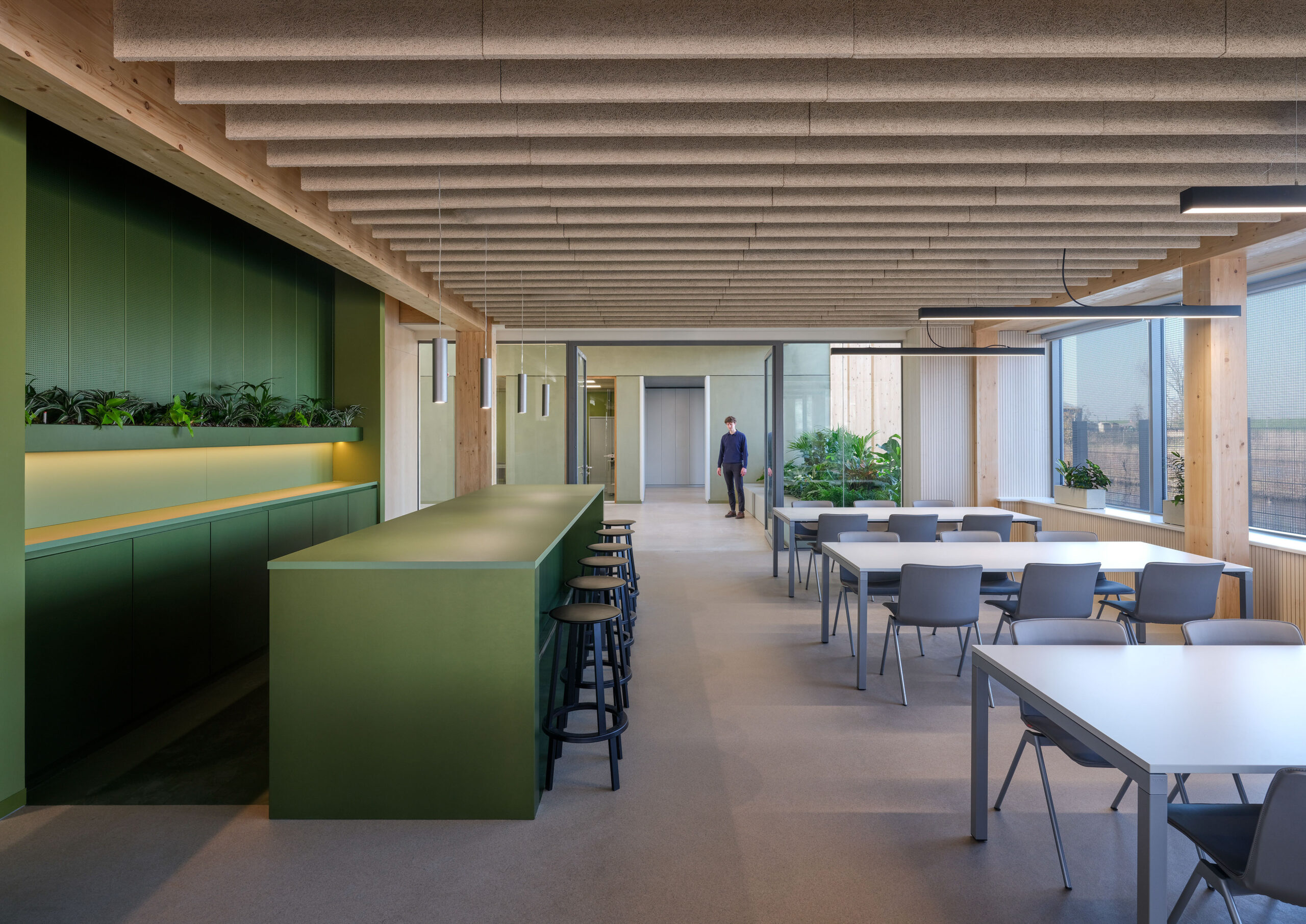
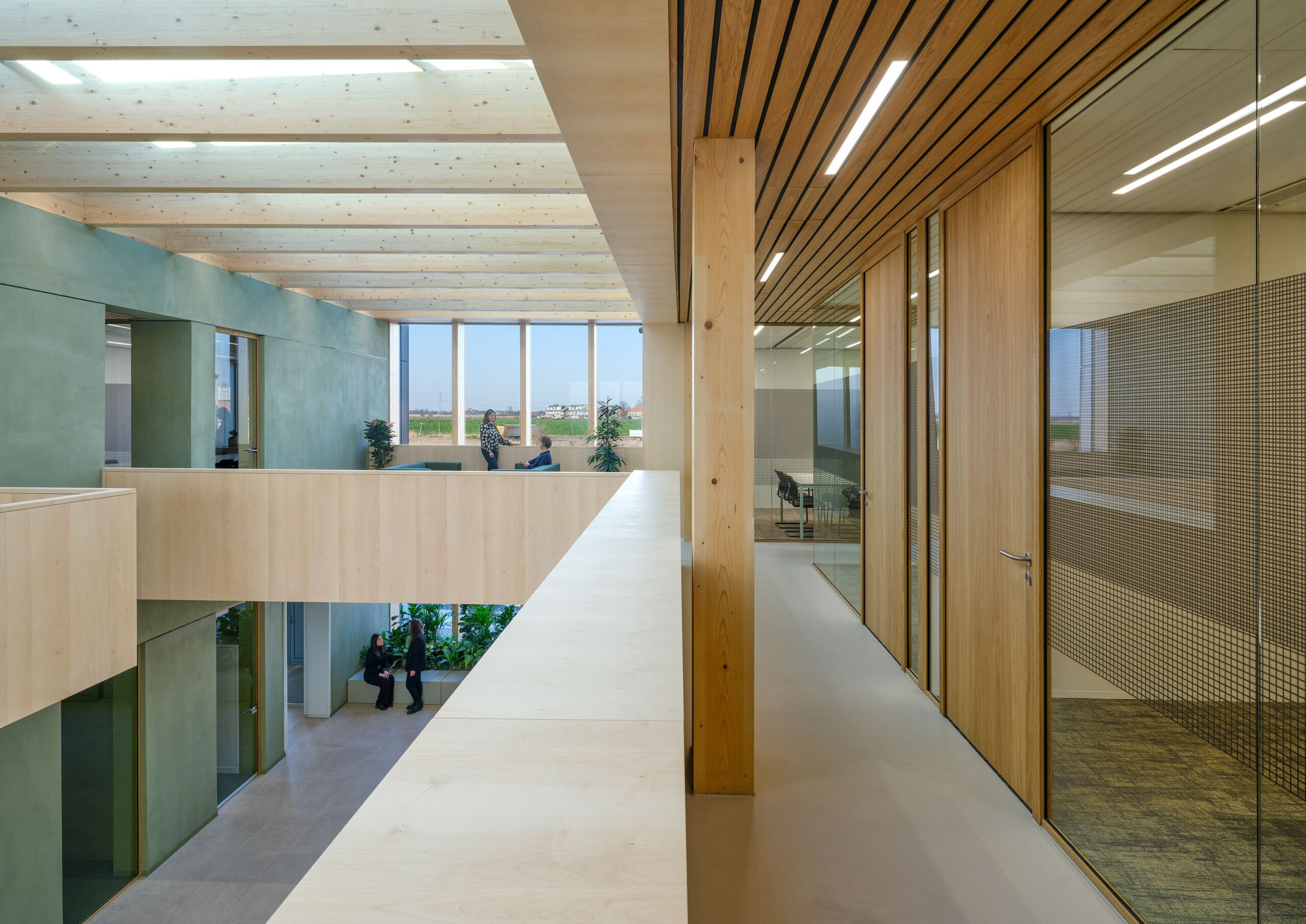
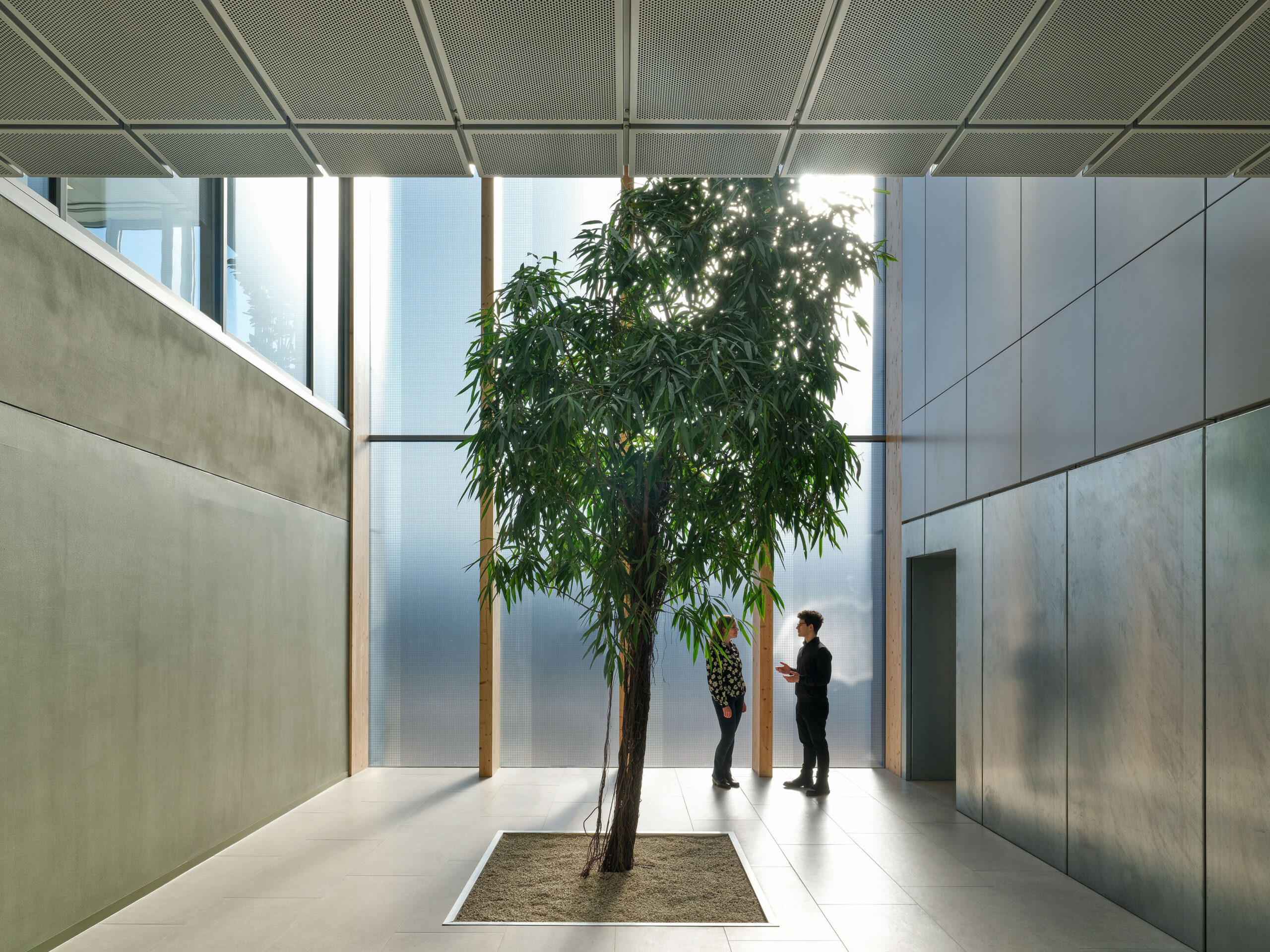
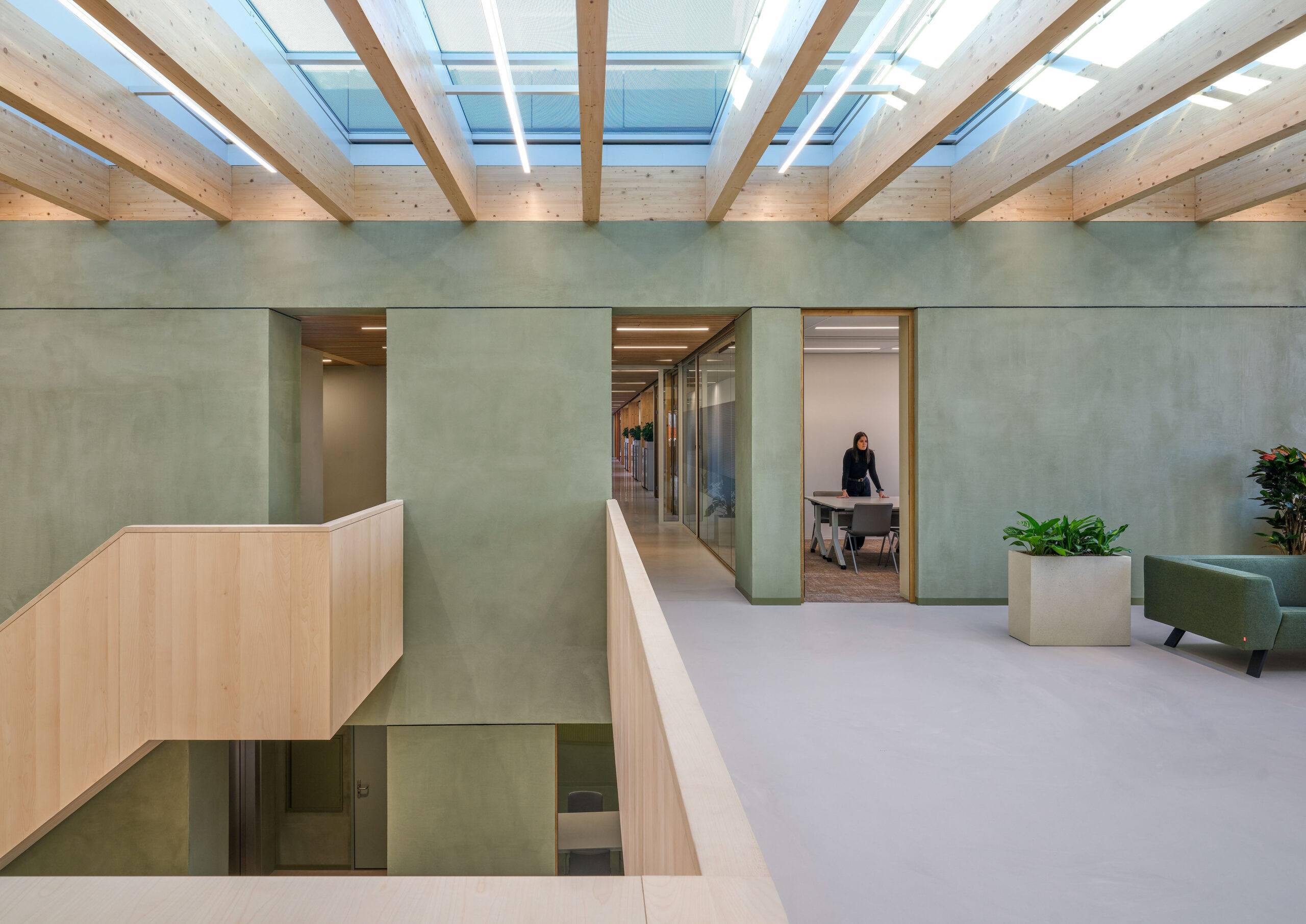
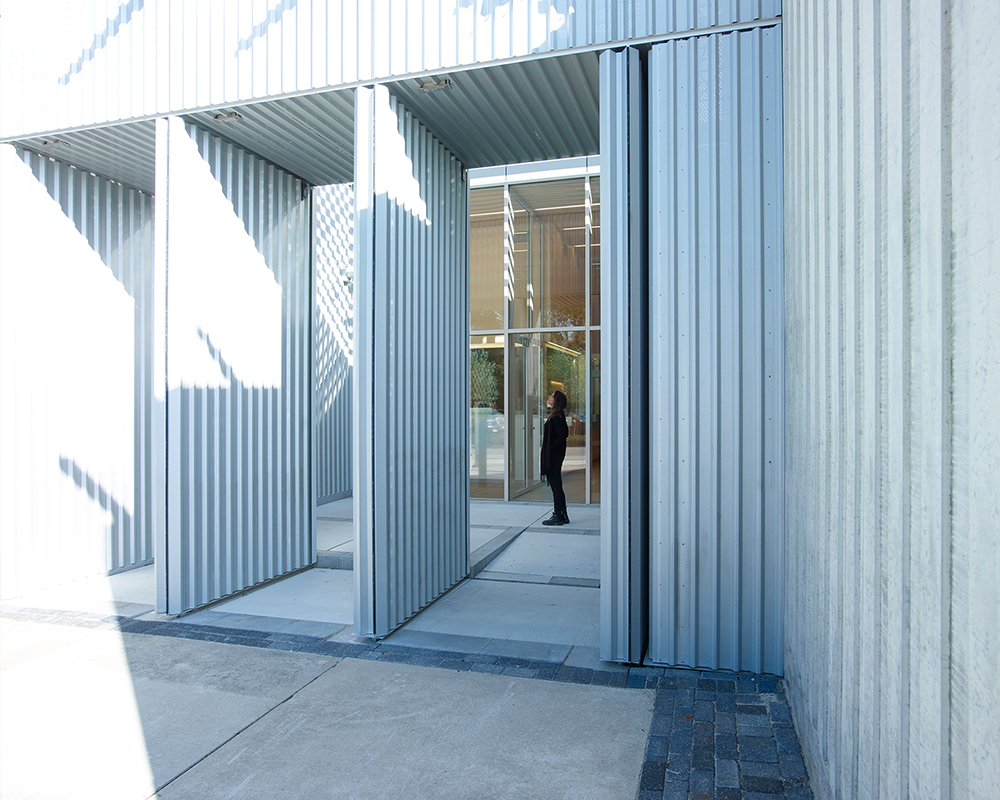
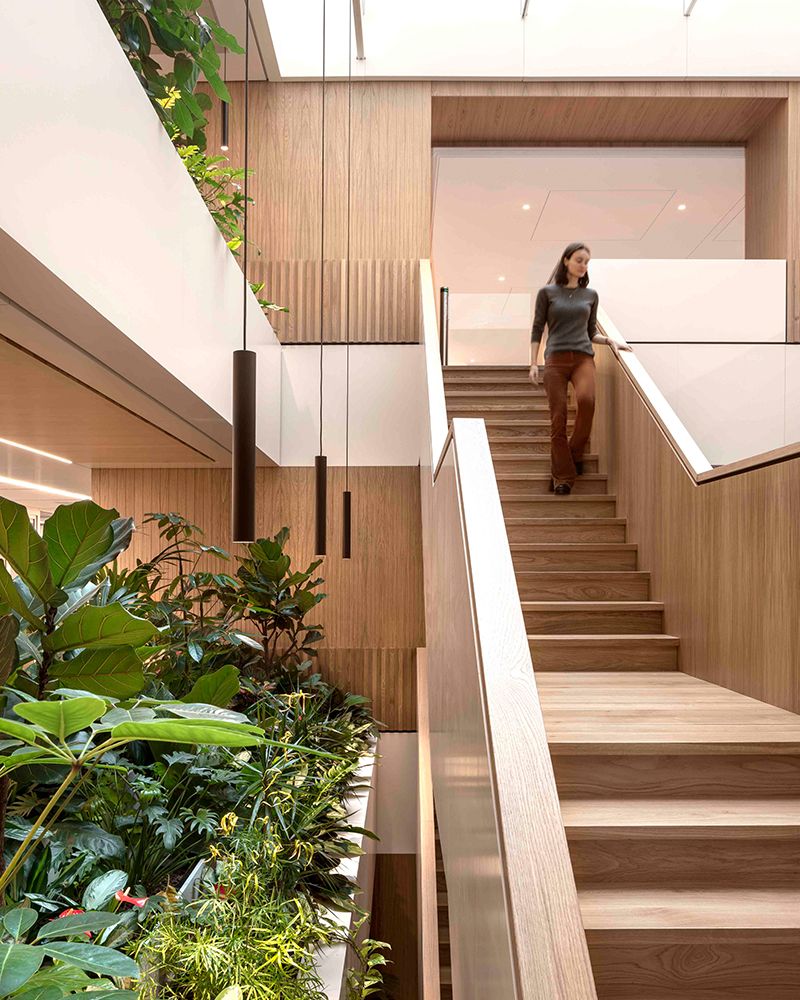
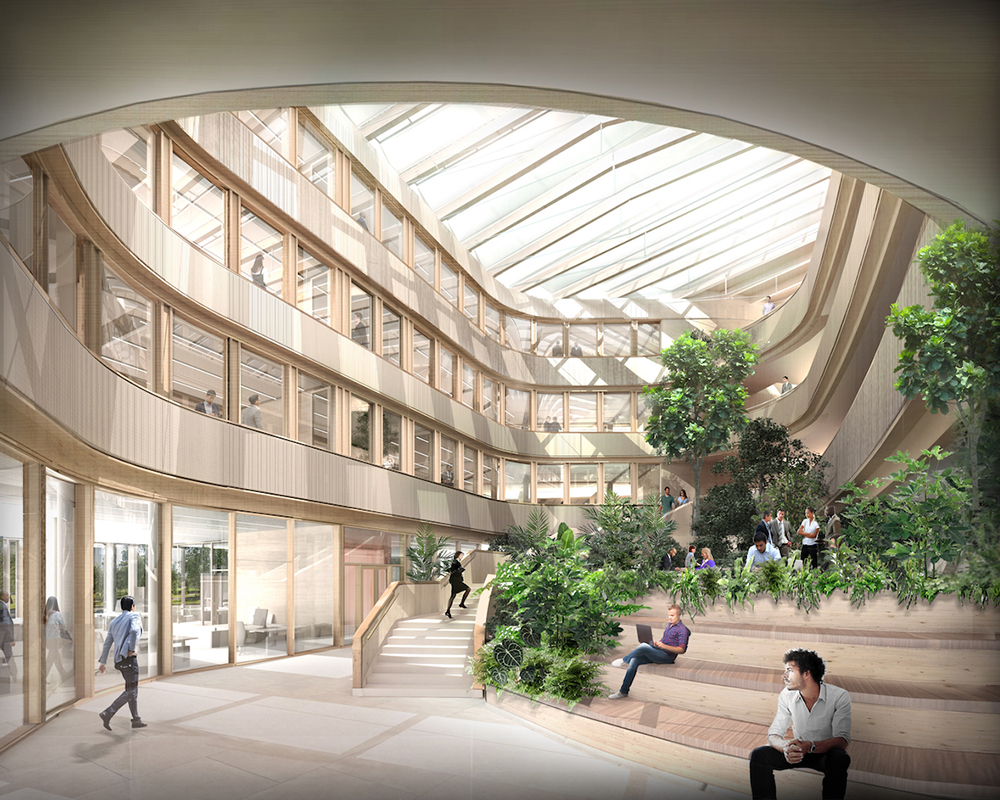
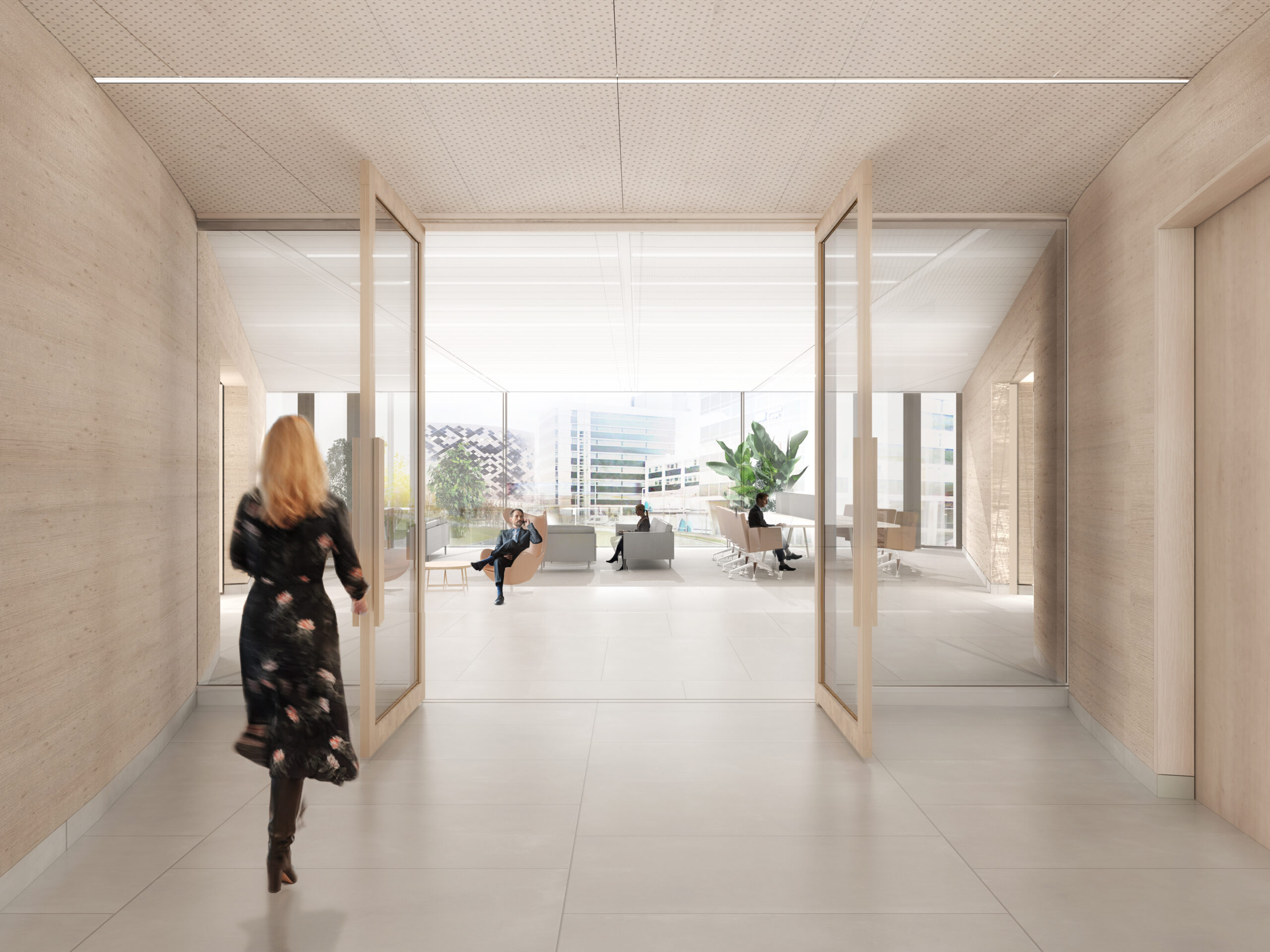
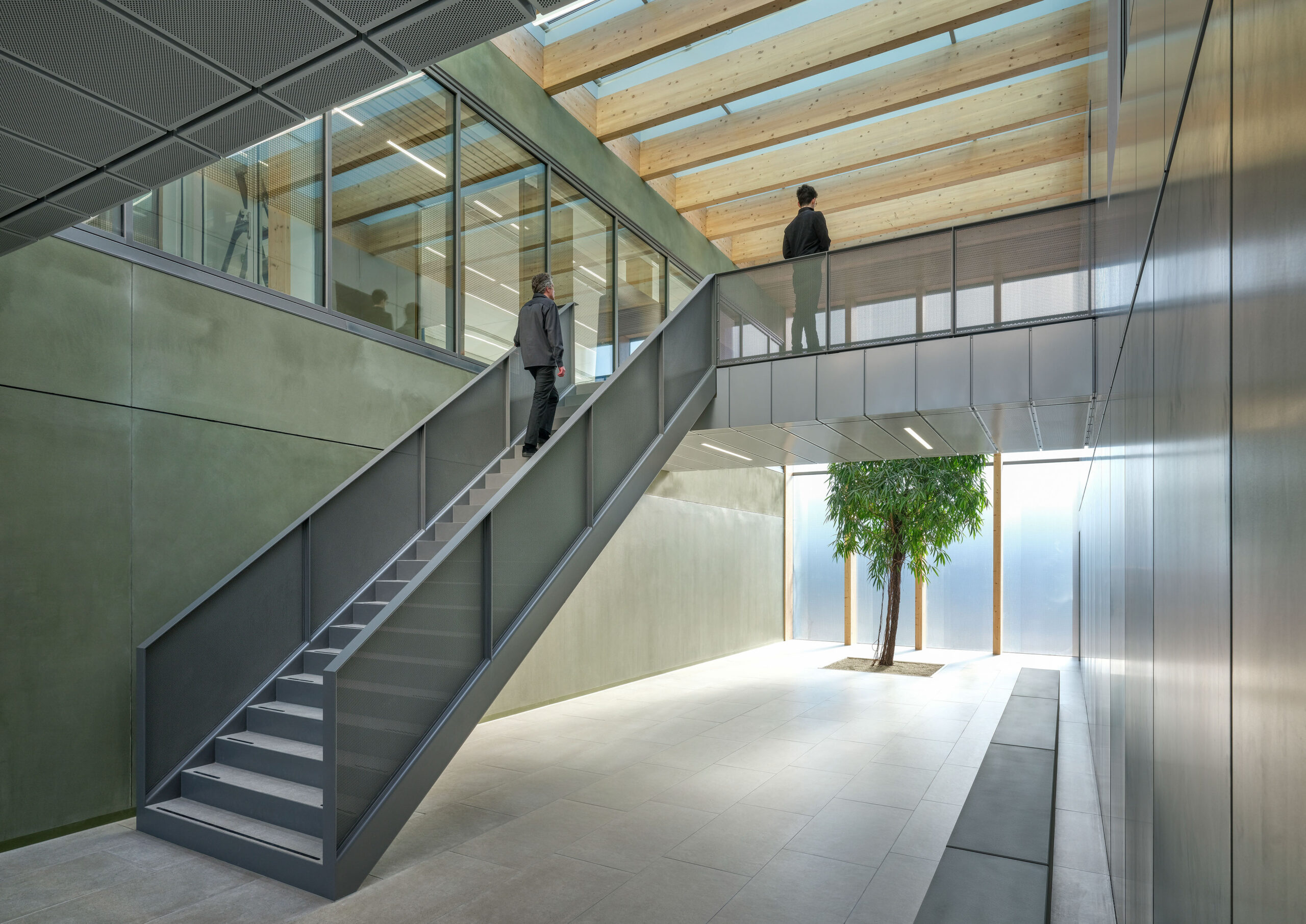
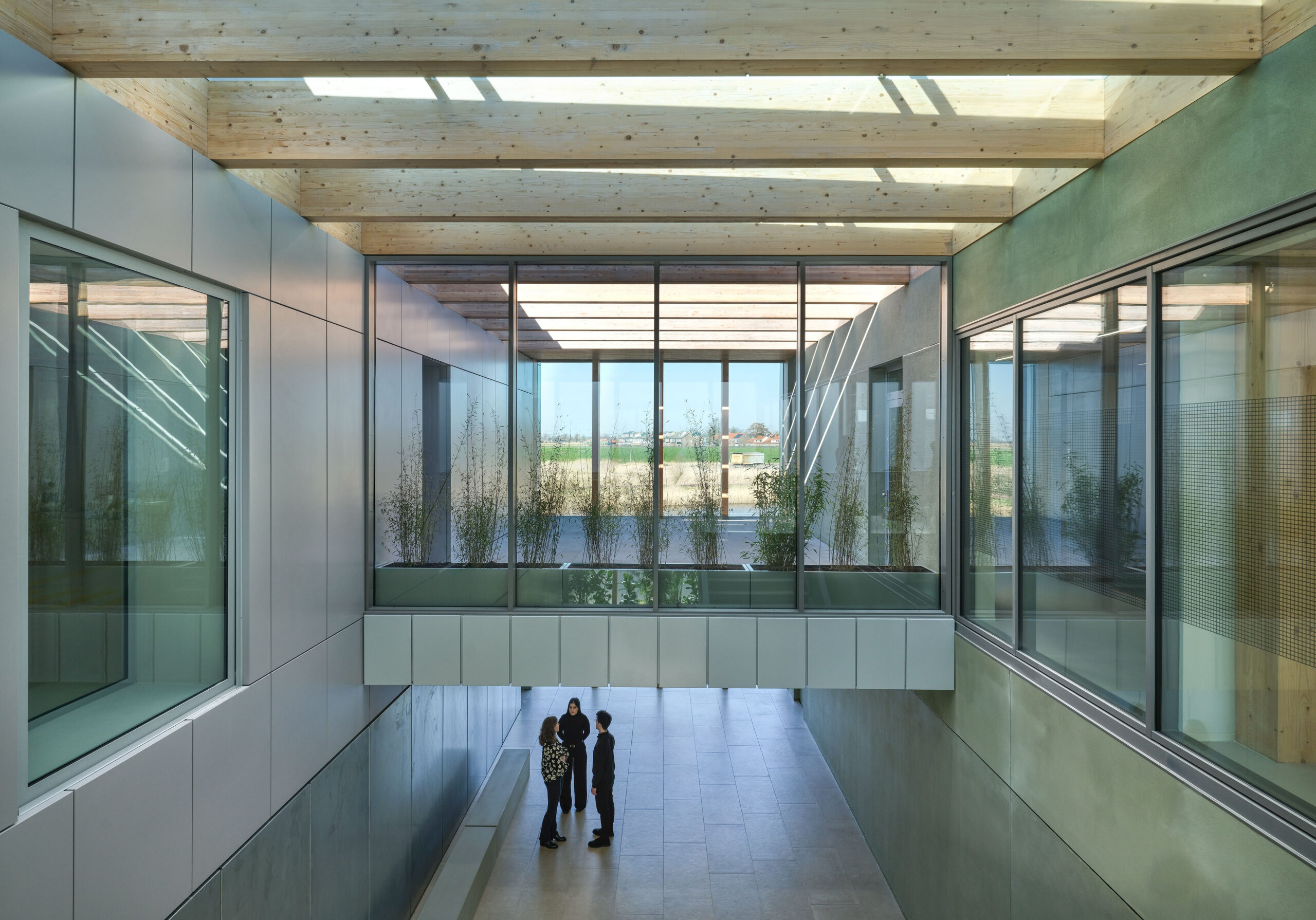
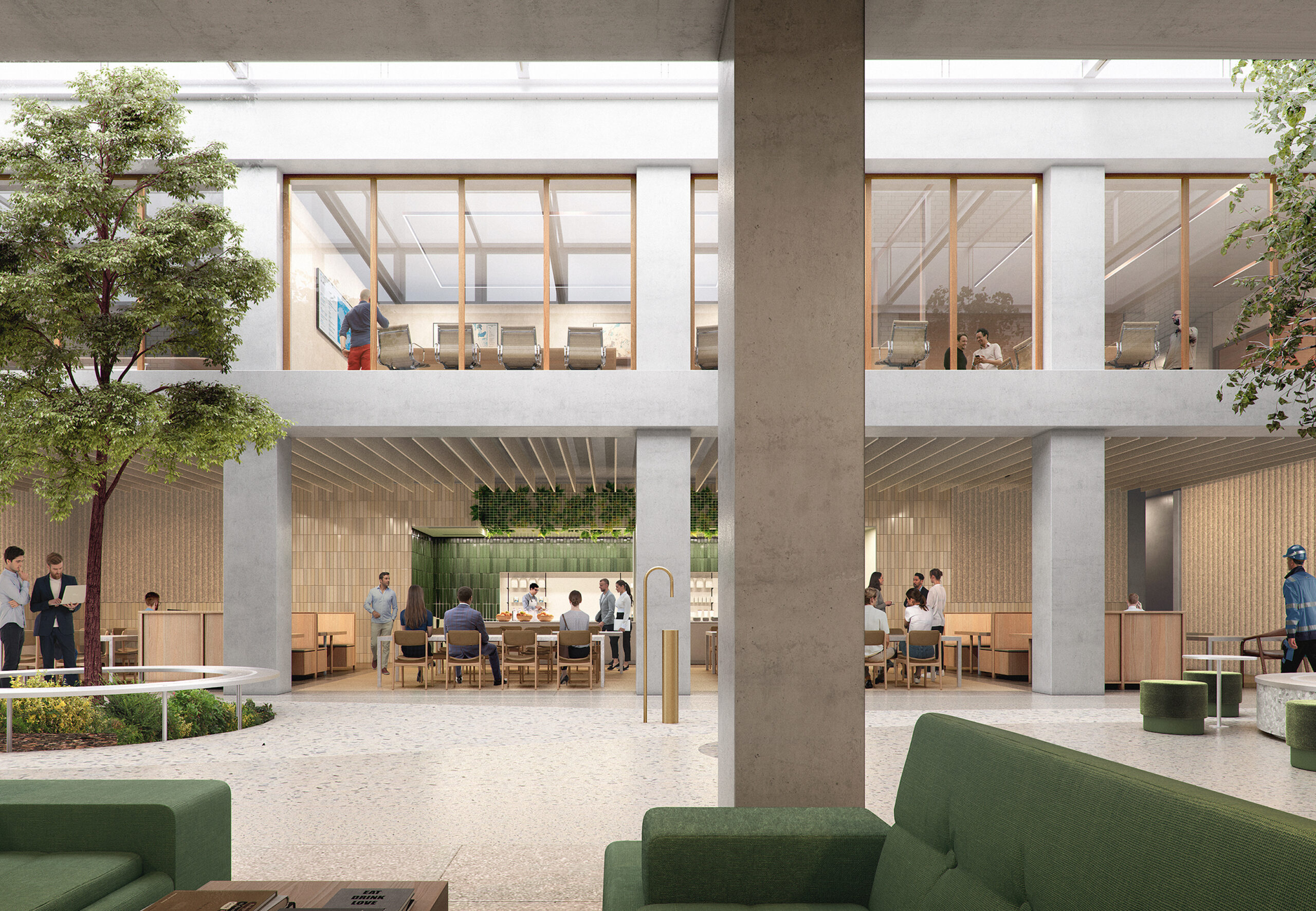
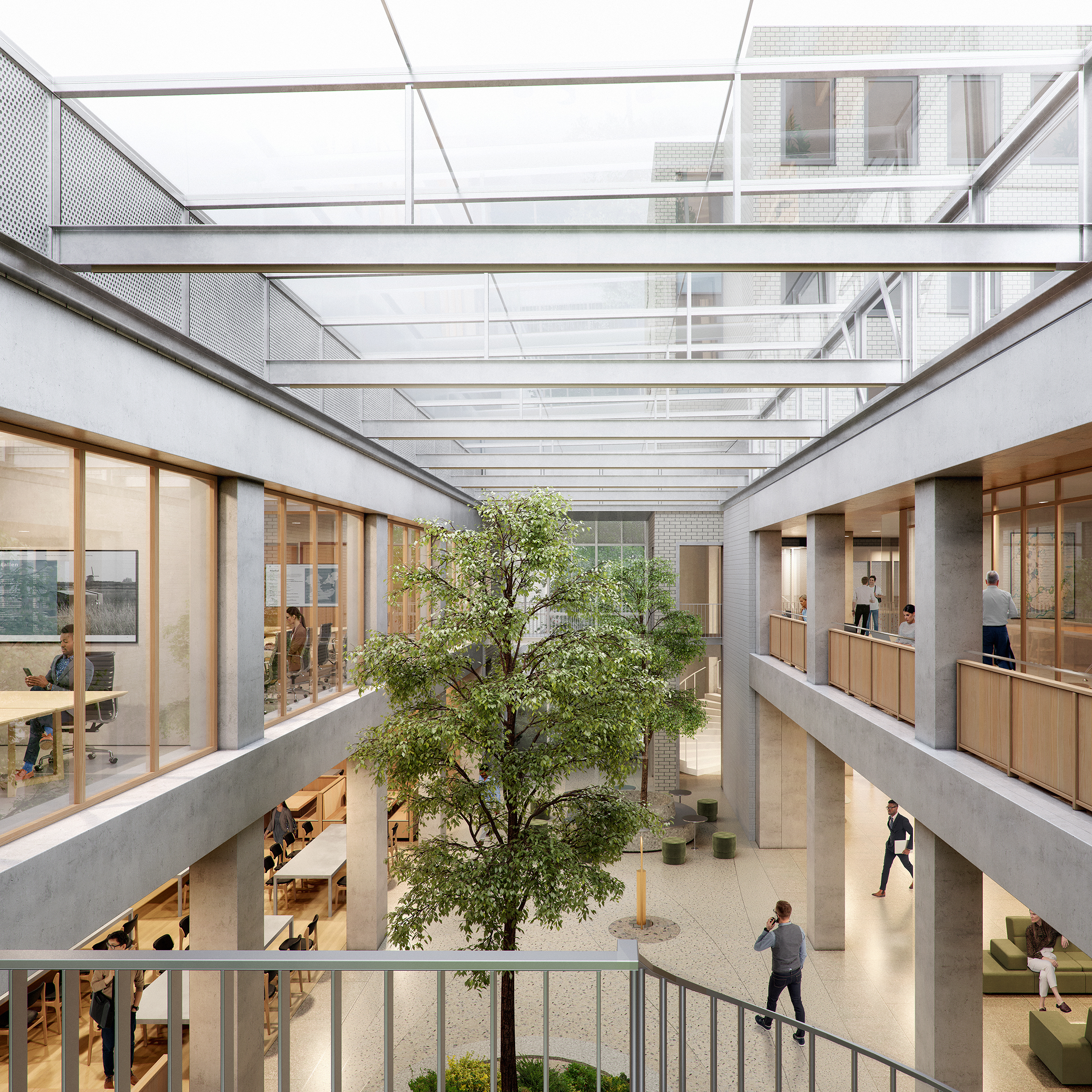
In this building, safety and openness are in balance. A seemingly closed bastion opens up to its surroundings through the three green light courts. The structure of these courtyards and the layered louvered façade — behind which the offices are located — creates a protected and green working environment that fosters well-being and a connection with nature.
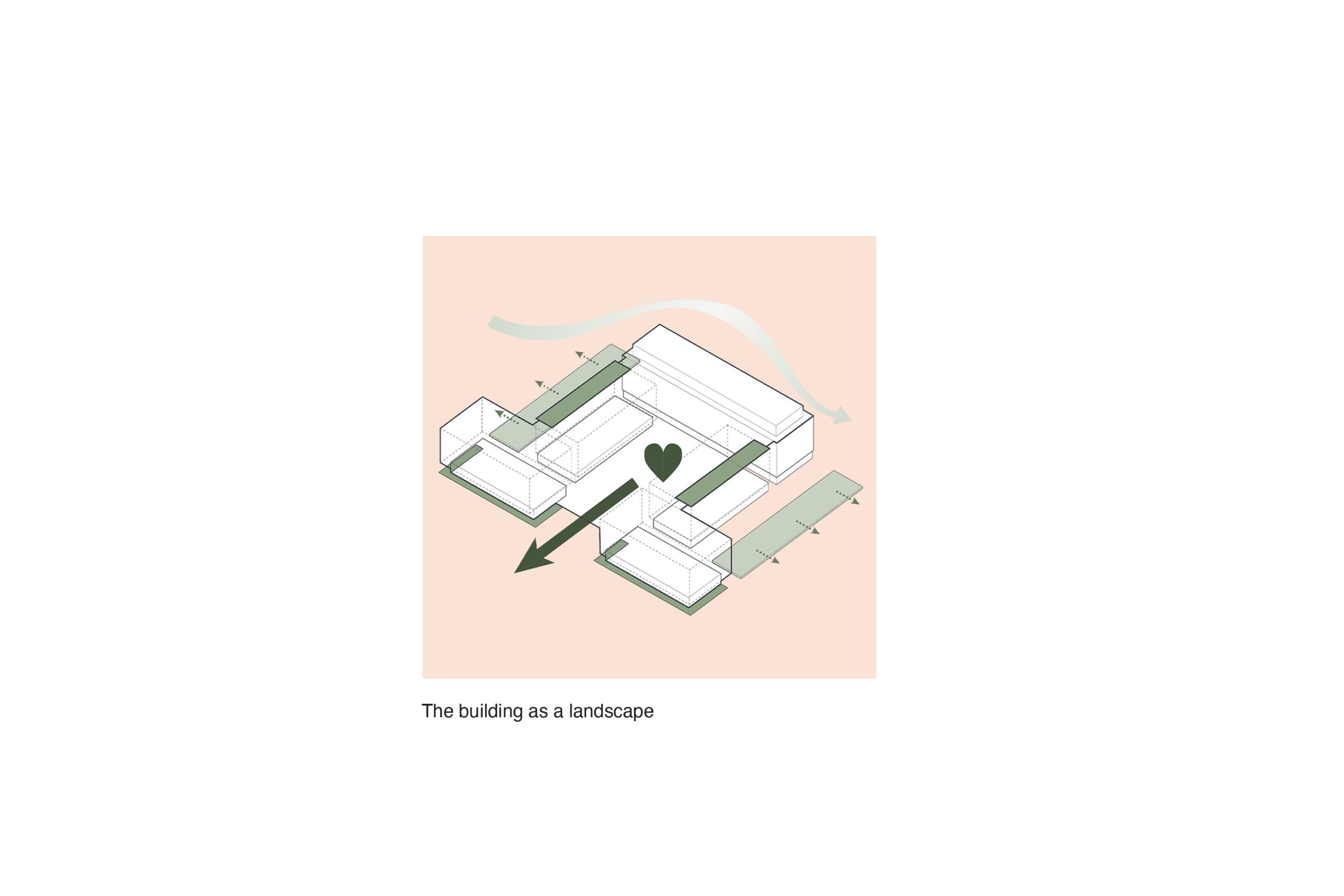
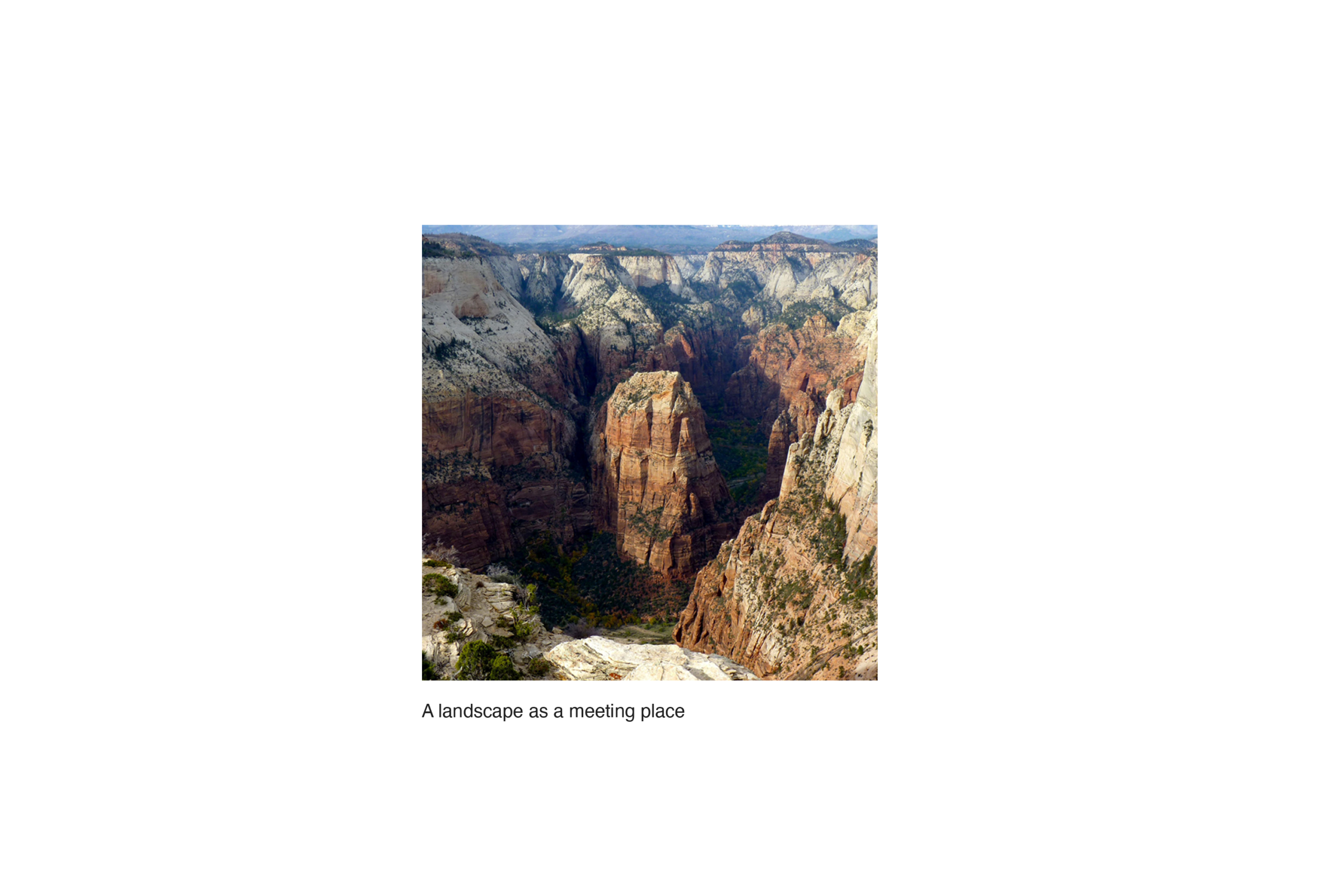
The design aligns perfectly with the peat polder landscape of Westzaan, with many open spaces, green courtyards, and a nature-inclusive layout that considers local flora, fauna, and climate change. The silver-gray façade material reflects the tones of the green riverbank, softening the boundary between the building and nature.
Three atriums


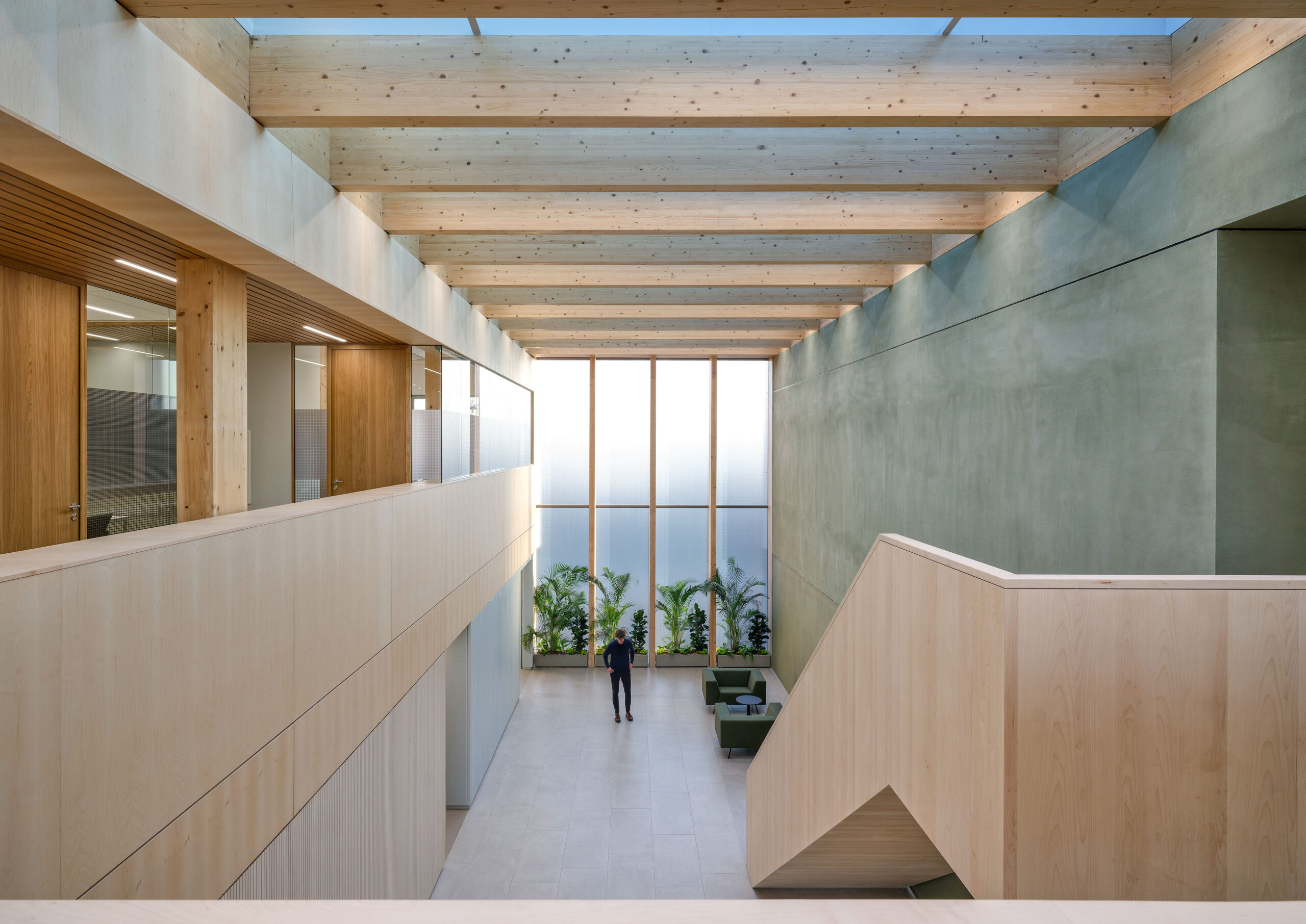
The design is deeply rooted in the surrounding peat polder landscape of Westzaan. The clear building structure is organized around three light courts, which ensure optimal daylight access and a healthy working environment. At the same time, they strengthen the relationship between the building and the surrounding natural area. The nature-inclusive design contributes to biodiversity and climate adaptation.

Studio LA created a site-specific artwork for this government office. The work consists of a wall installation and a book on a pedestal, bringing together stories from employees of the Ministry of Justice. It visualizes a network of colleagues, departments, events, and trust. The artwork invites people to read each other’s stories, gain a deeper understanding of one another, and offers new employees or visitors a unique way to become acquainted with the organization.

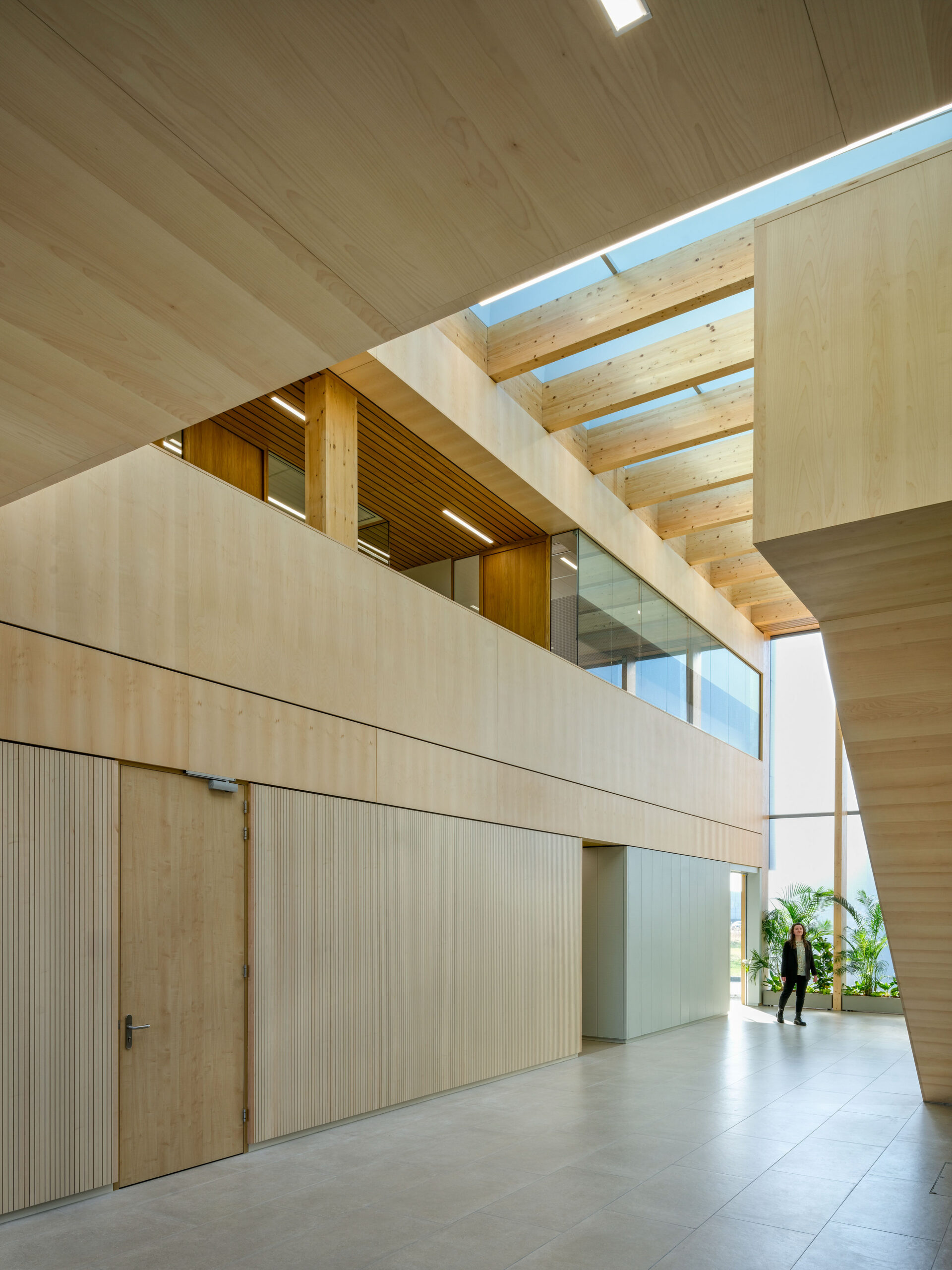
The largest timber structure ever commissioned by the govermental building agency


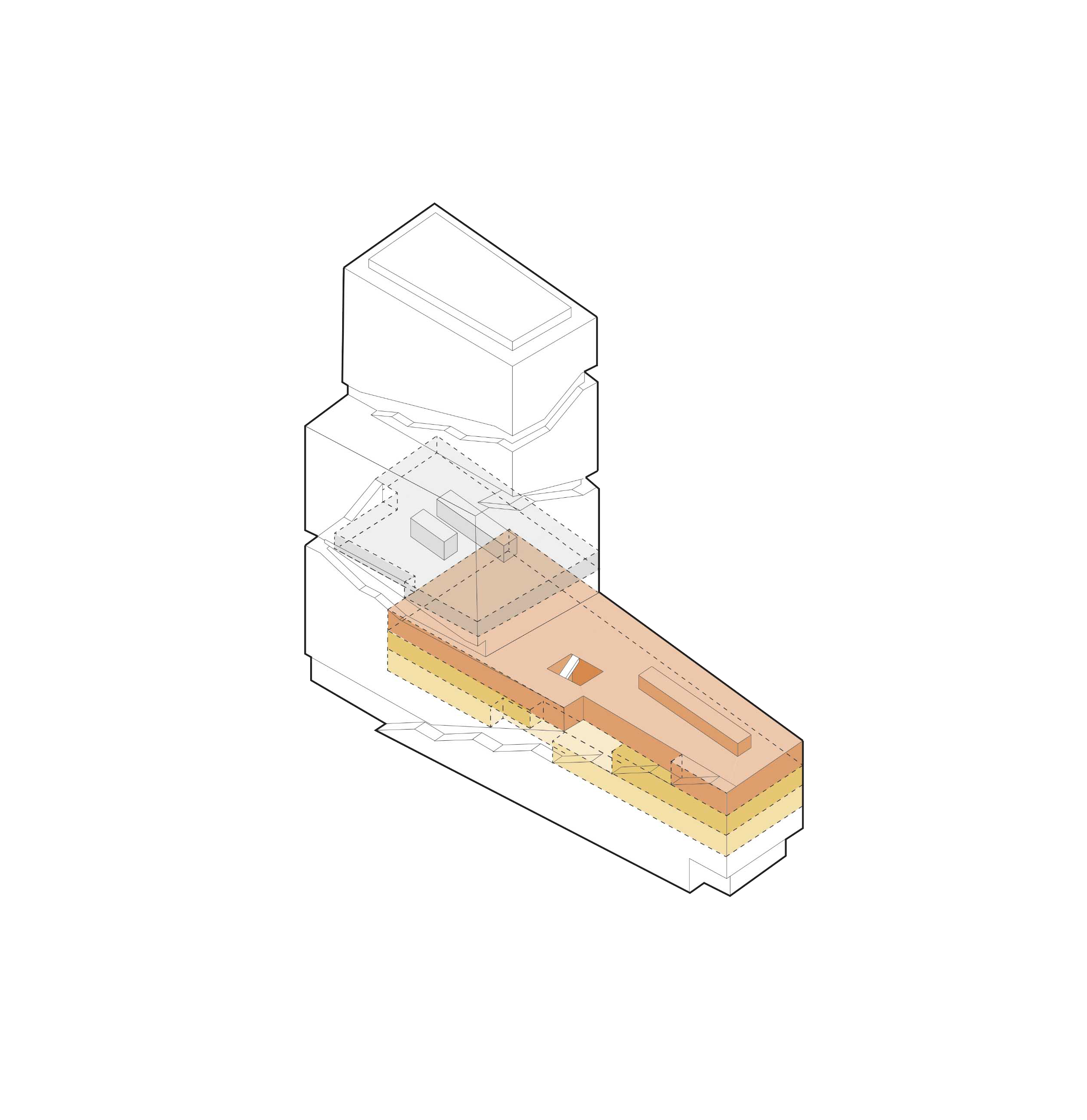
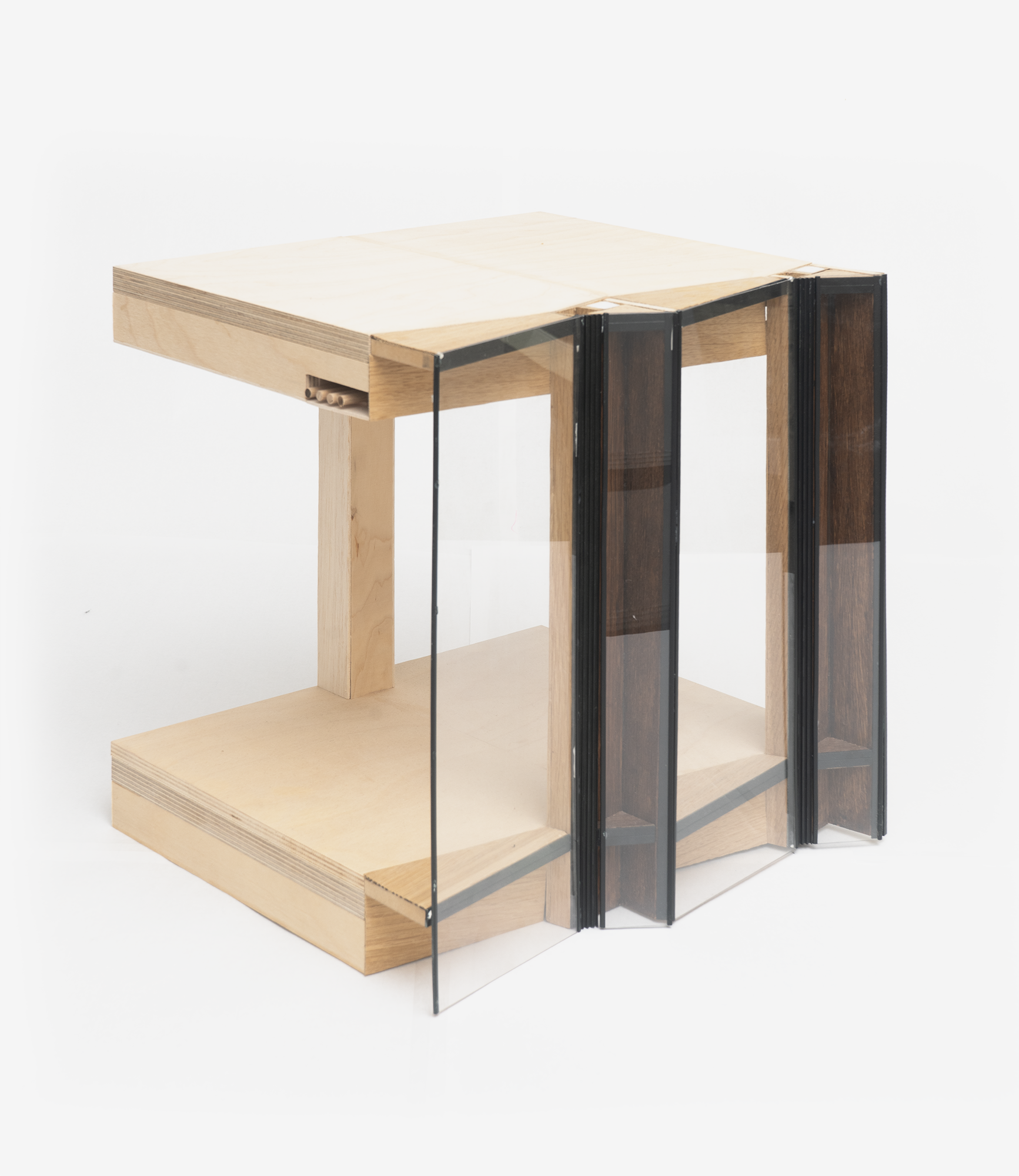
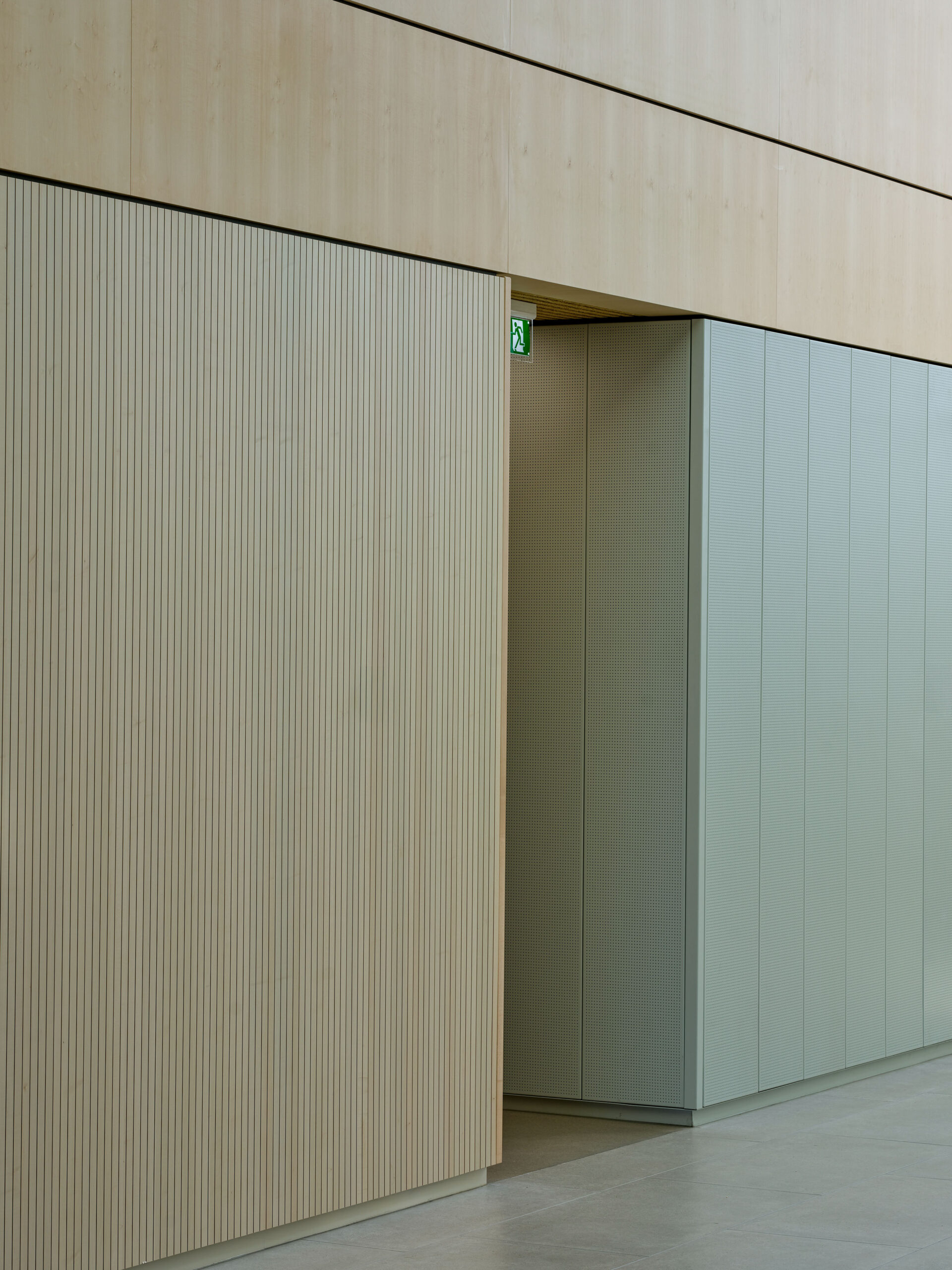
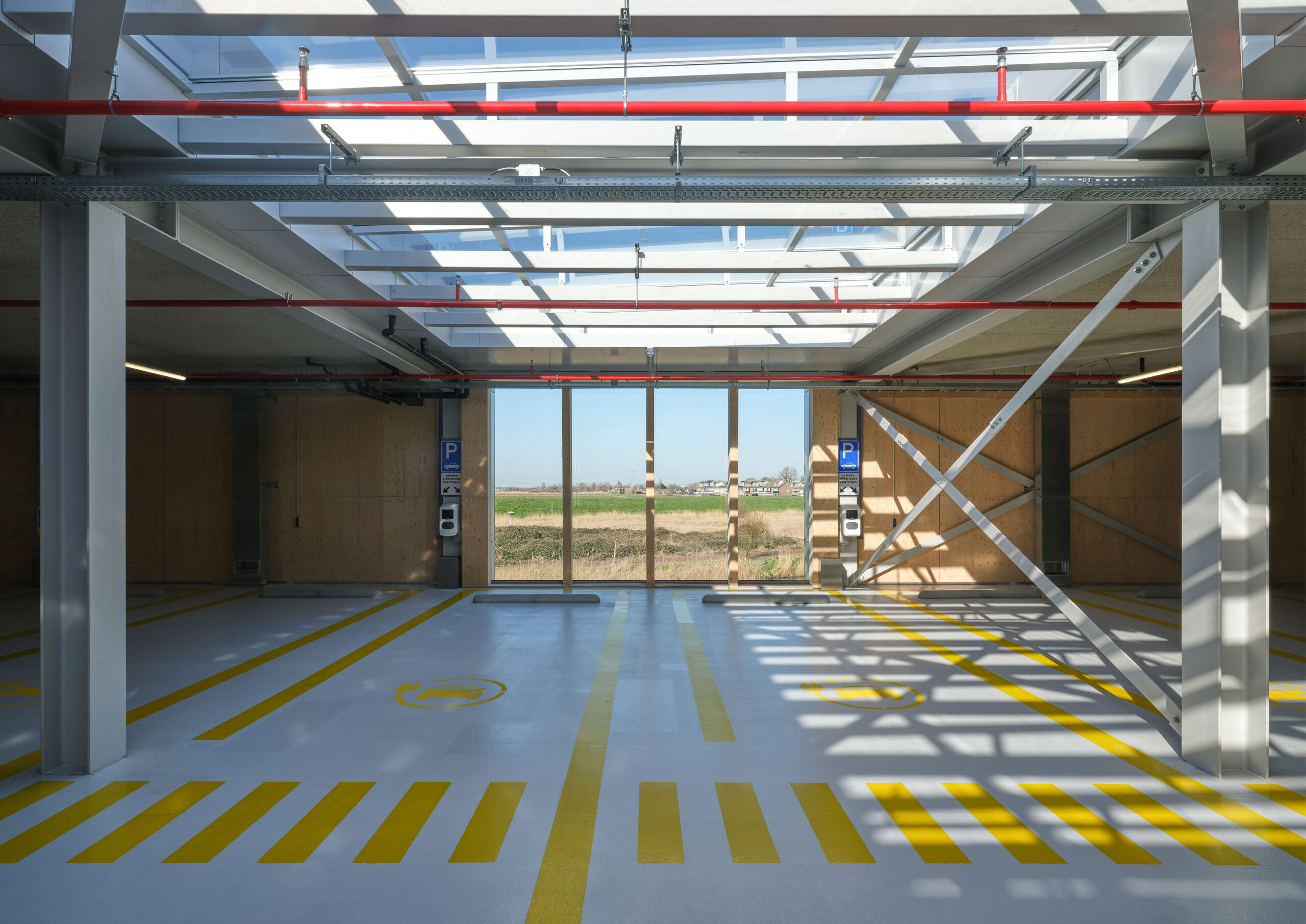
The office and training section is entirely biobased: walls, floors, and columns are constructed from CLT, timber frame (HSB), and laminated timber. The vehicle storage and warehouse areas are built with a demountable steel structure and concrete floors, designed for heavy vehicles and large spans. The building is fully demountable and flexible, allowing new clusters to be added and office functions to further develop within the structure of the storage area.
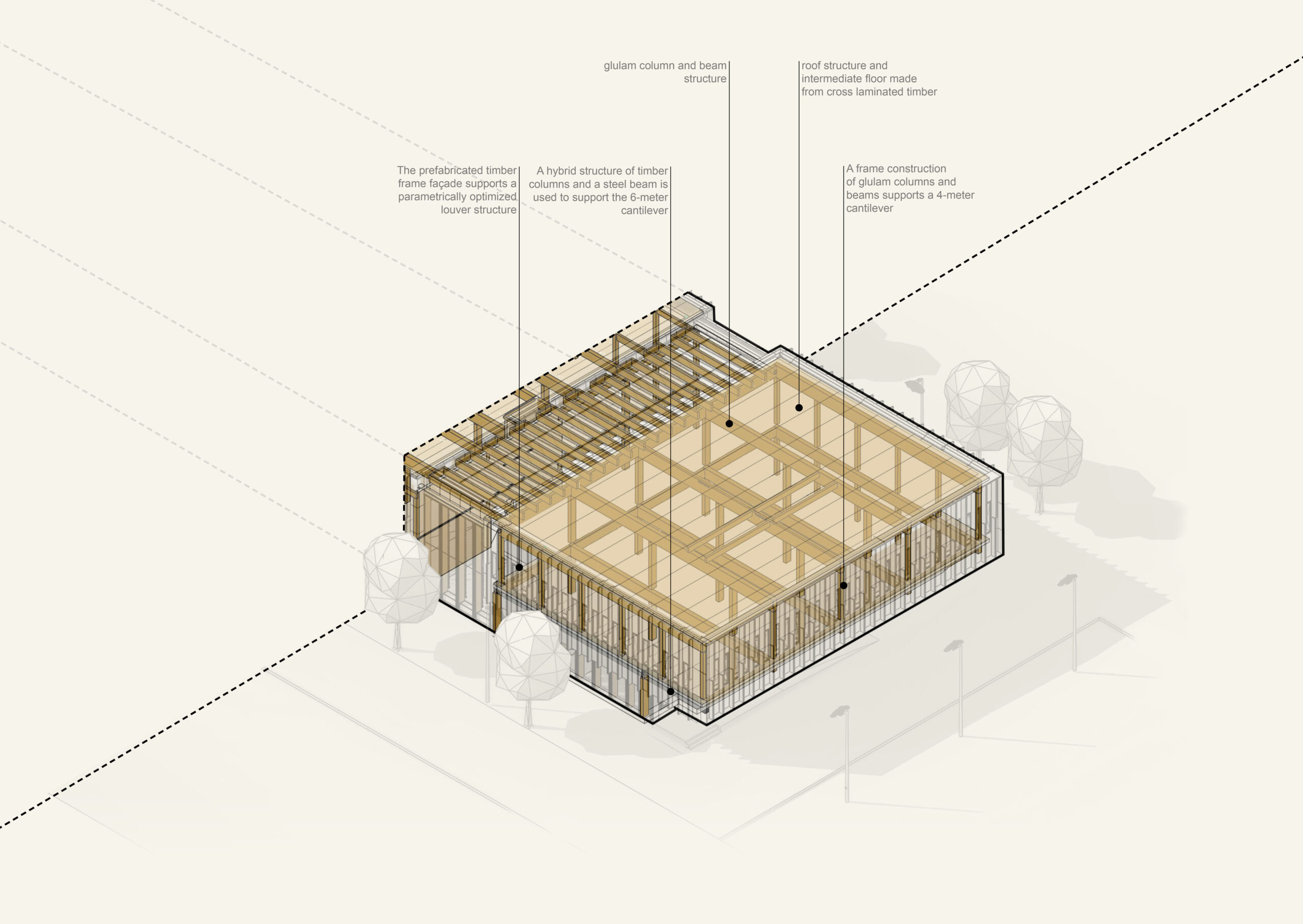
The largest CLT structure the Central Government Real Estate Agency has realized to date.
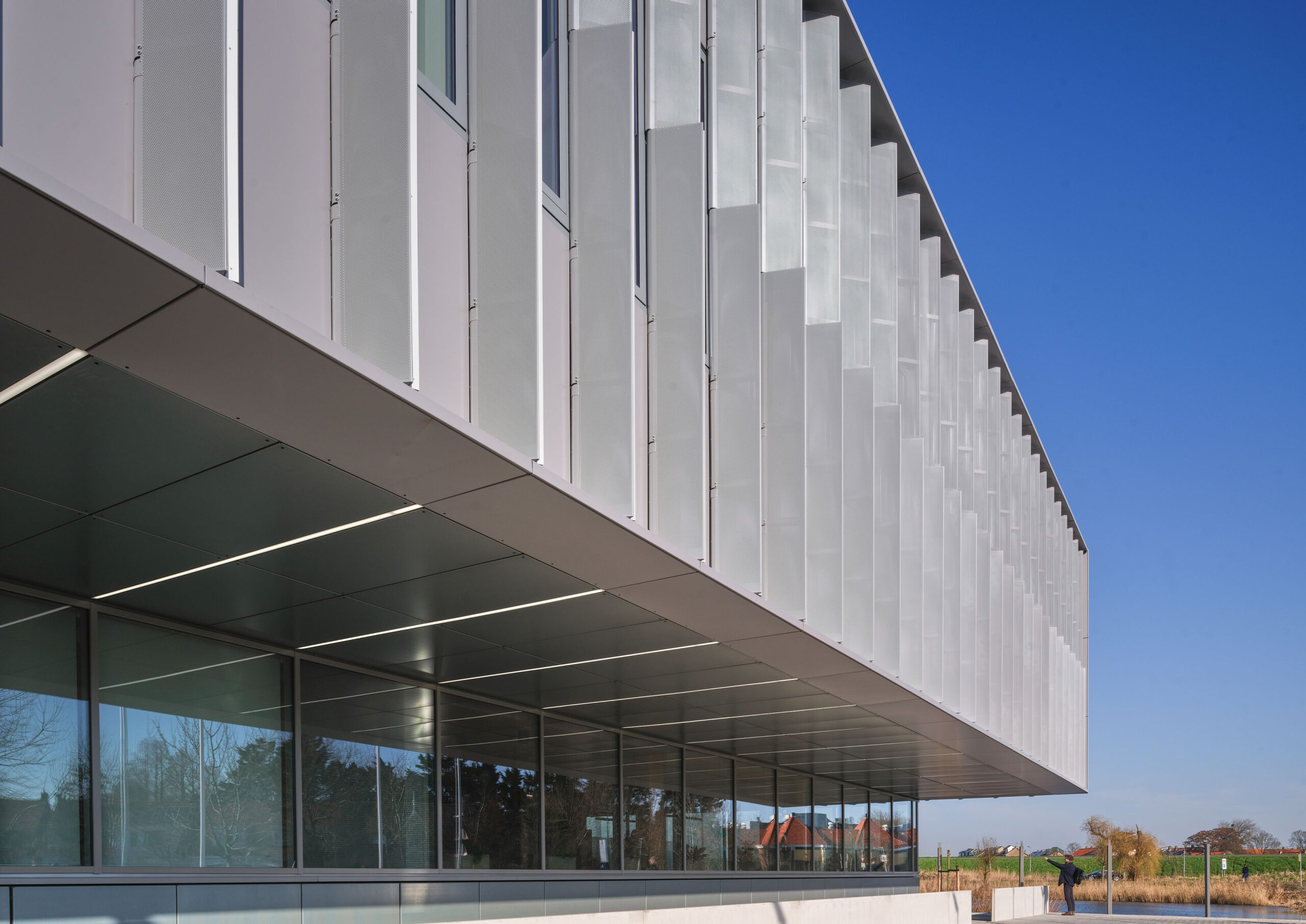
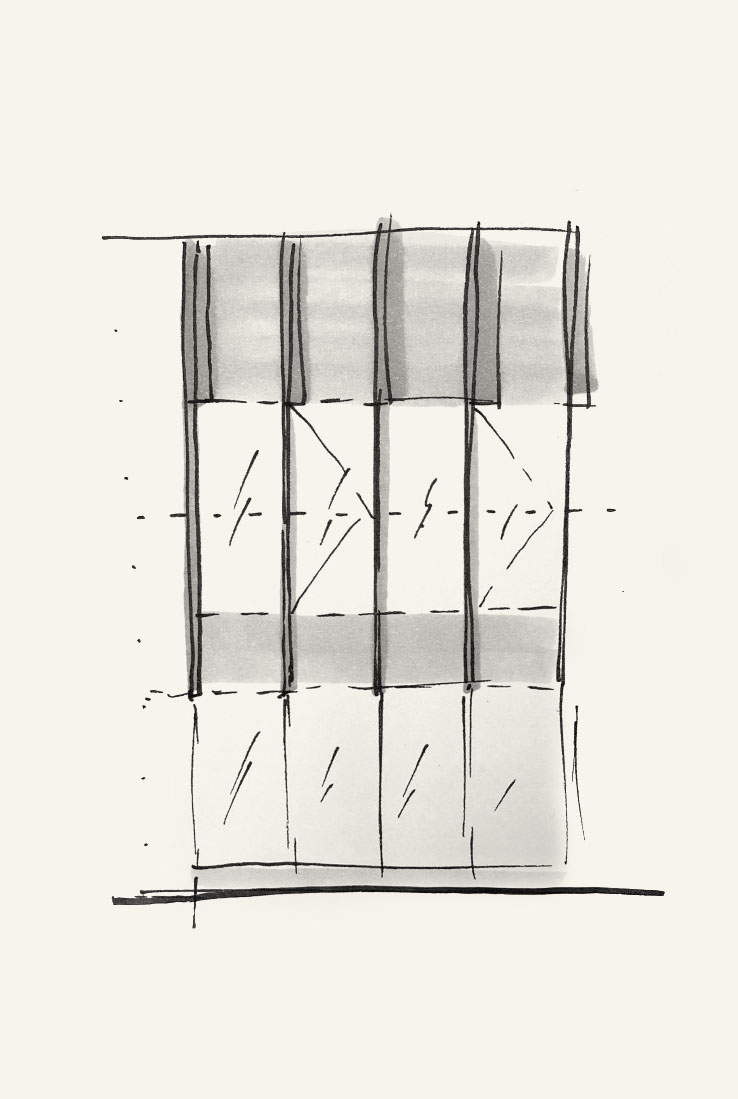

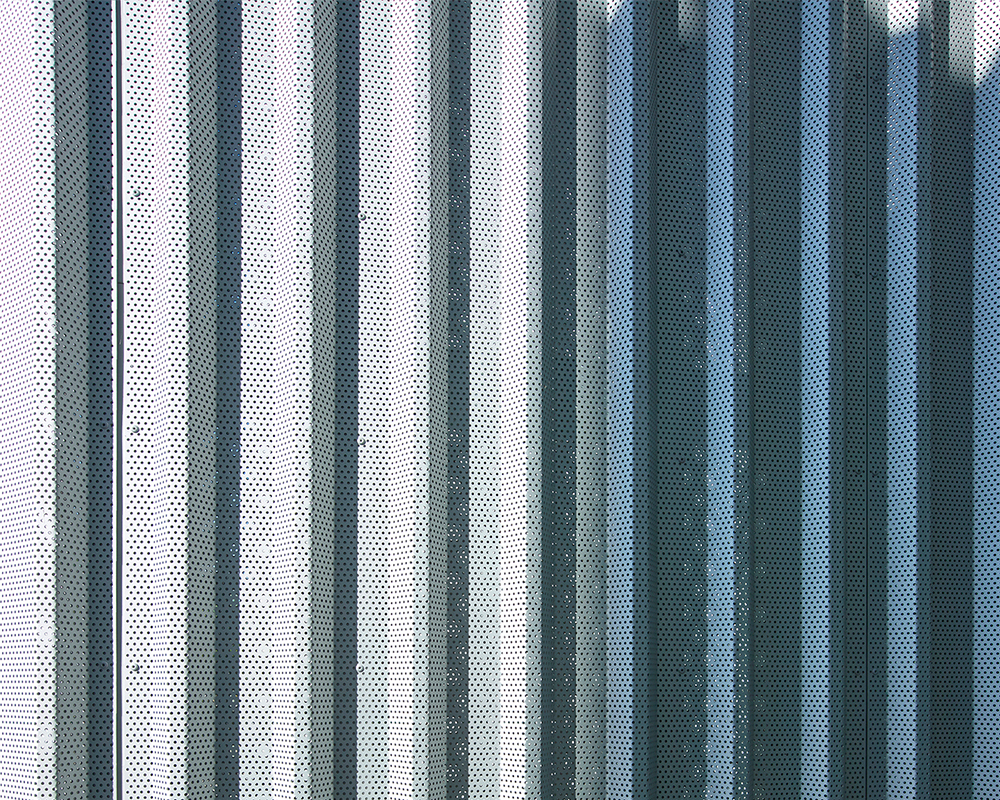
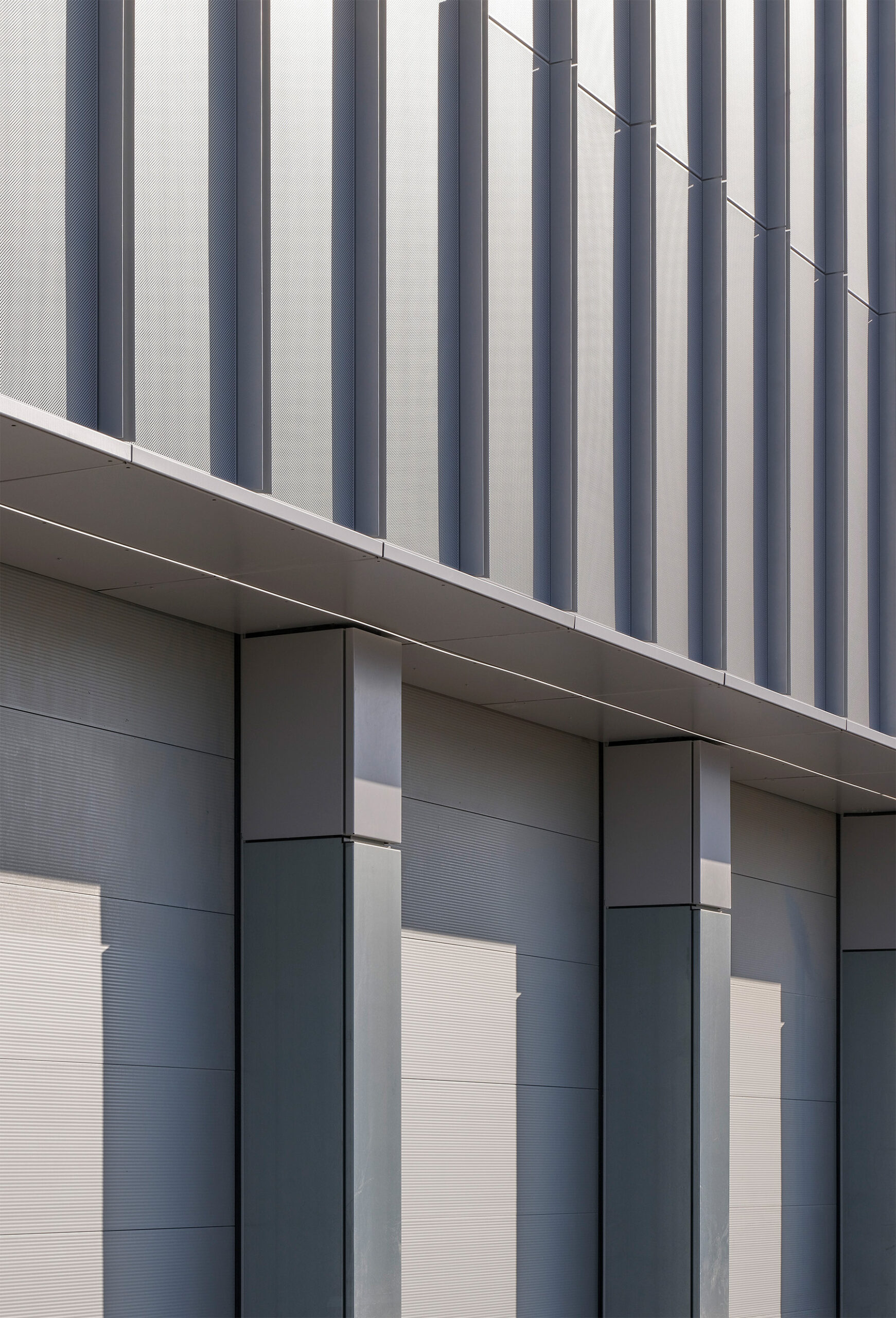
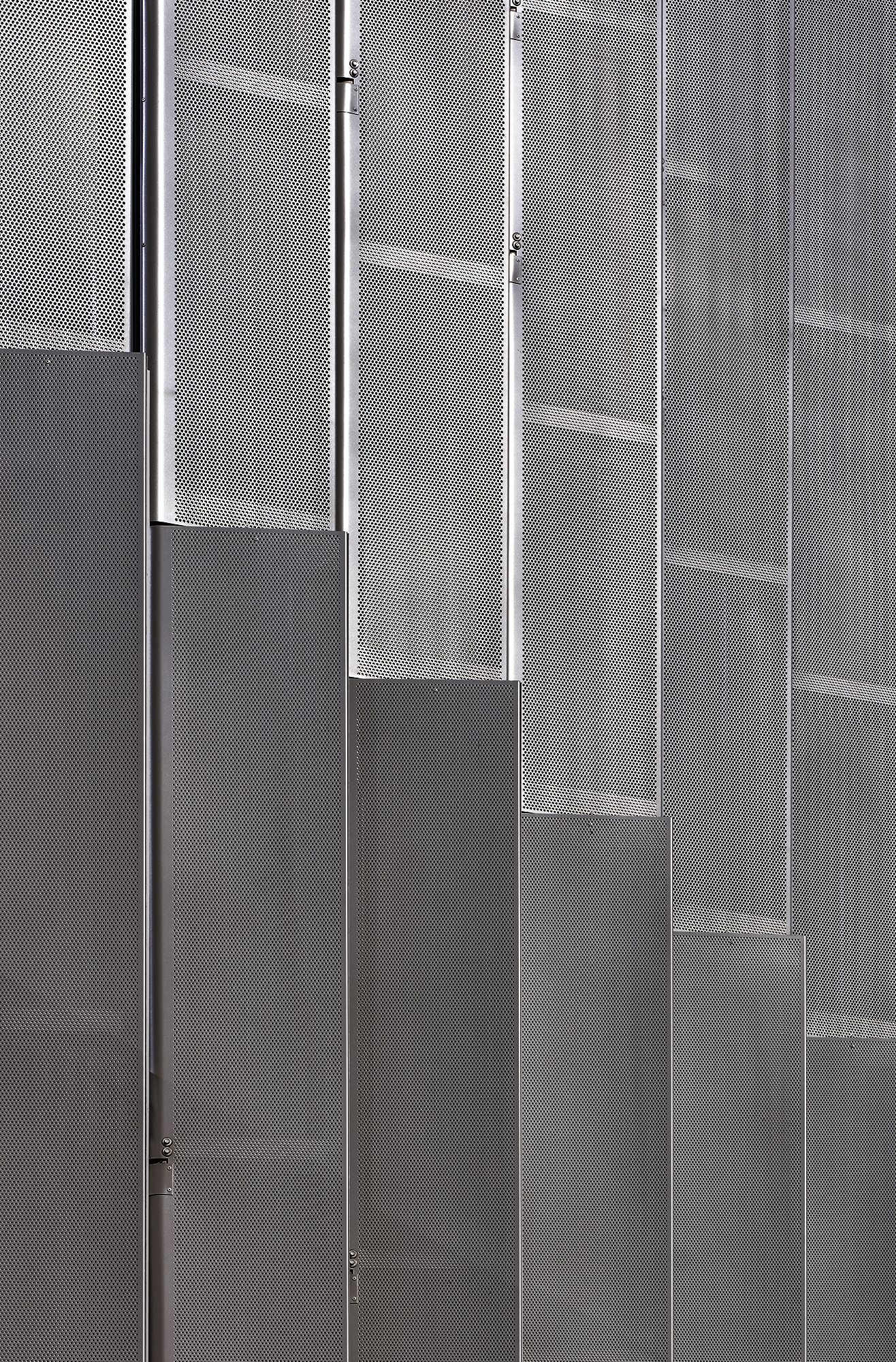
The facade was parametrically designed and optimized in collaboration with ArchiTech Company. The louvers filter light, ensure privacy, and at the same time preserve views. They limit direct visibility while contributing to thermal comfort and energy performance.
The base of the building is made of flat-galvanized steel that reflects the colors of water and reeds. Over time, this material develops a patina, allowing the facade to become increasingly anchored within the landscape.
More projects


Continue reading

Ministry LVVN

Ministry of EZ, KGG & LVVN

Rijksvastgoedbedrijf

Studio PROTOTYPE and ZENBER Architects have recently completed the transformation of Rijkskantoor B73 in The Hague, home to three ministries: the Ministry of Agriculture, Fisheries, Food Security, and Nature; the Ministry of Climate and Green Growth; and the Ministry of Economic Affairs. The project aimed to modernize and renovate key areas within the complex, creating a flexible, sustainable, and future-proof government workspace.
  • project

    Ministry of EZ, KGG & LVVN

  • location

    The Hague

  • client

    Central Government Real Estate Agency

  • function

    government office

  • size

    5100 m²

  • year

    2025

  • status

    built

  • design

    studio PROTOTYPE & ZENBER Architecten

  • project architect

    Jeroen Steenvoorden in collaboration with Jeroen Spee & Eric Wezenberg (ZENBER Architecten)

  • project team

    Alicja Bedkowska, Rodolf Siccardi

  • photos

    Jeroen Musch

  • awards

    BIG SEE Architecture Award 2026


Enhance the comfort


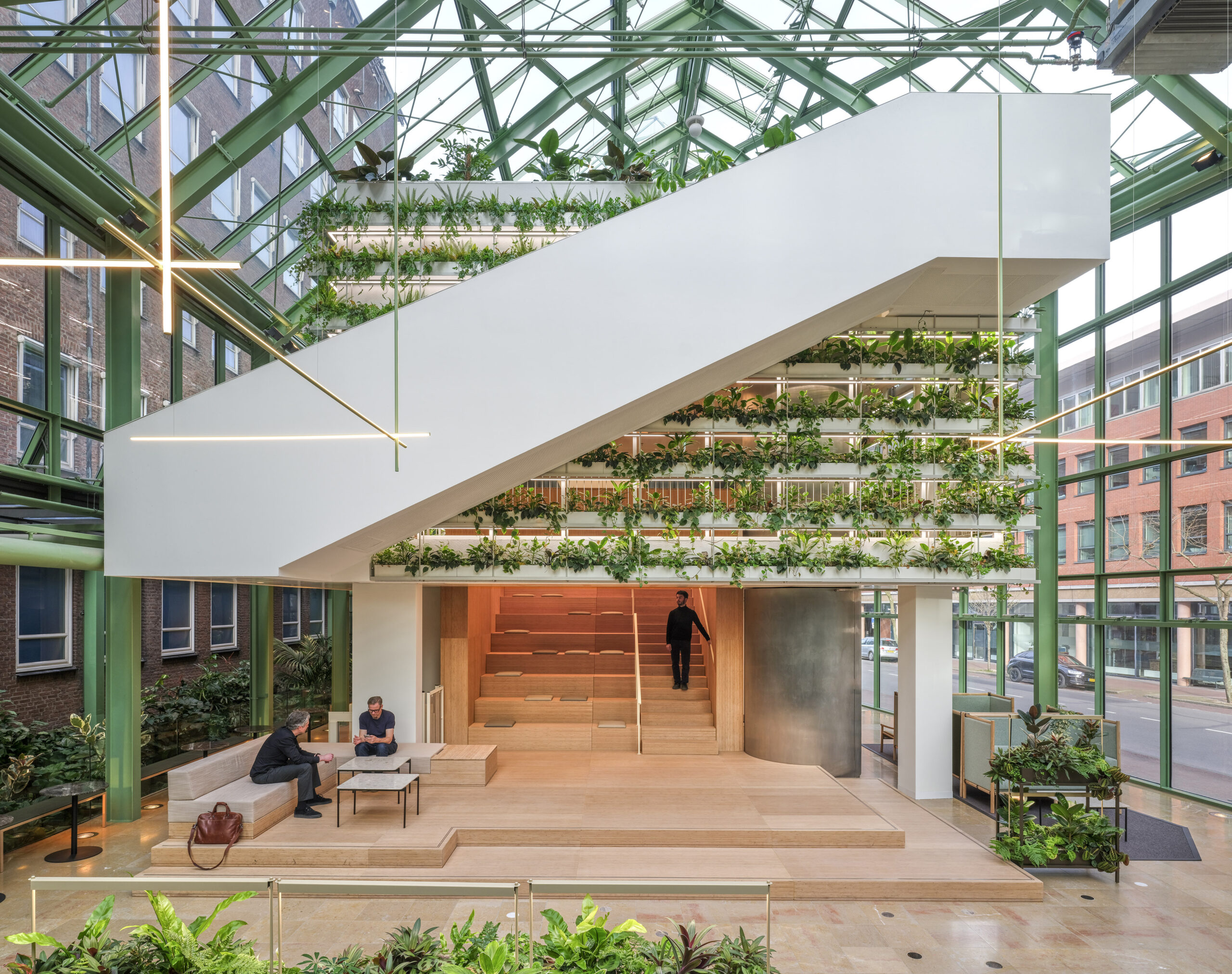
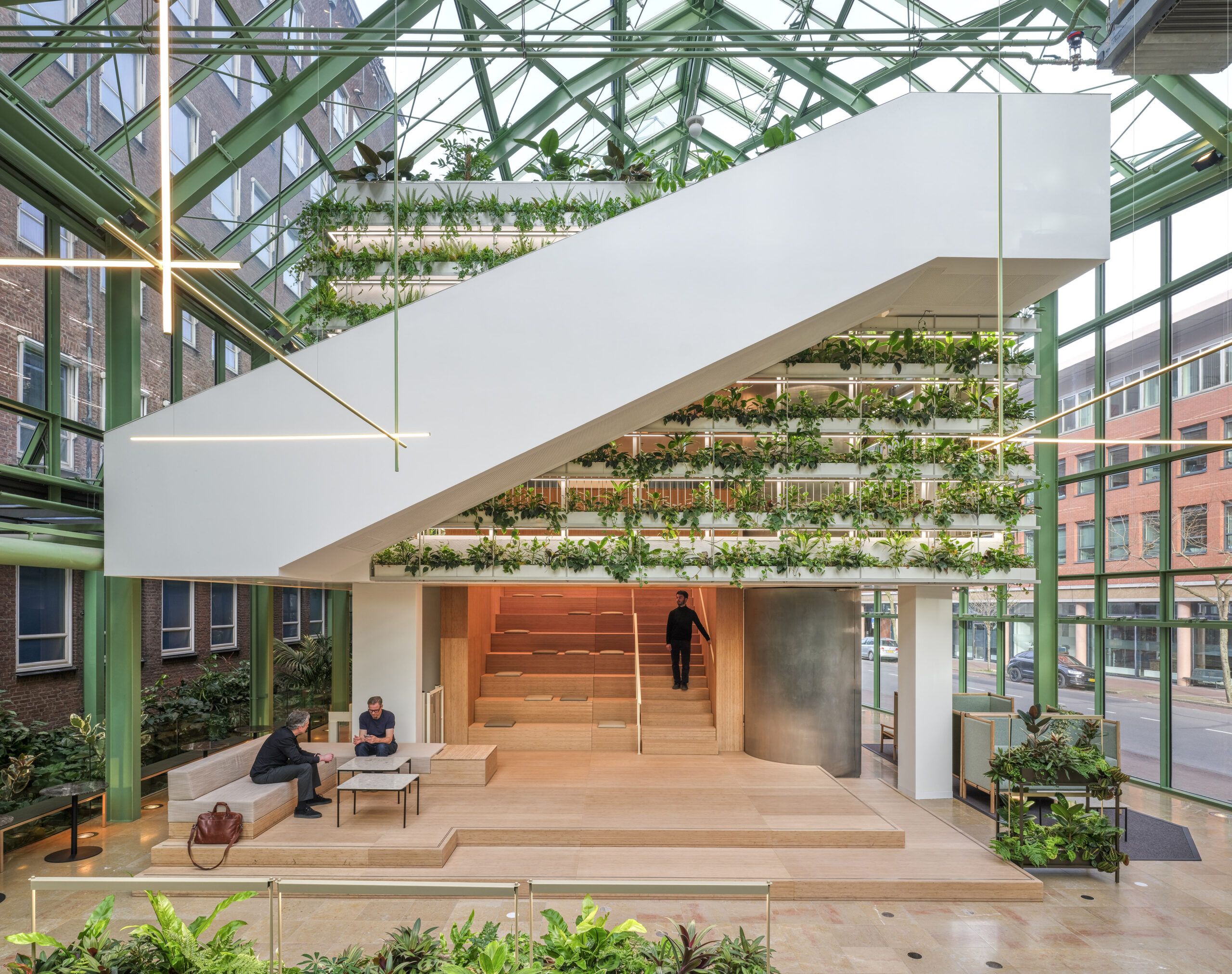
The challenge was to optimize these spaces for multifunctional use, with a strong focus on fostering interaction, collaboration, and connection. At the heart of the transformation lies the striking Orangerie—a lush green space where two existing pavilions and their surroundings have been reimagined as vibrant meeting hubs set within nature.

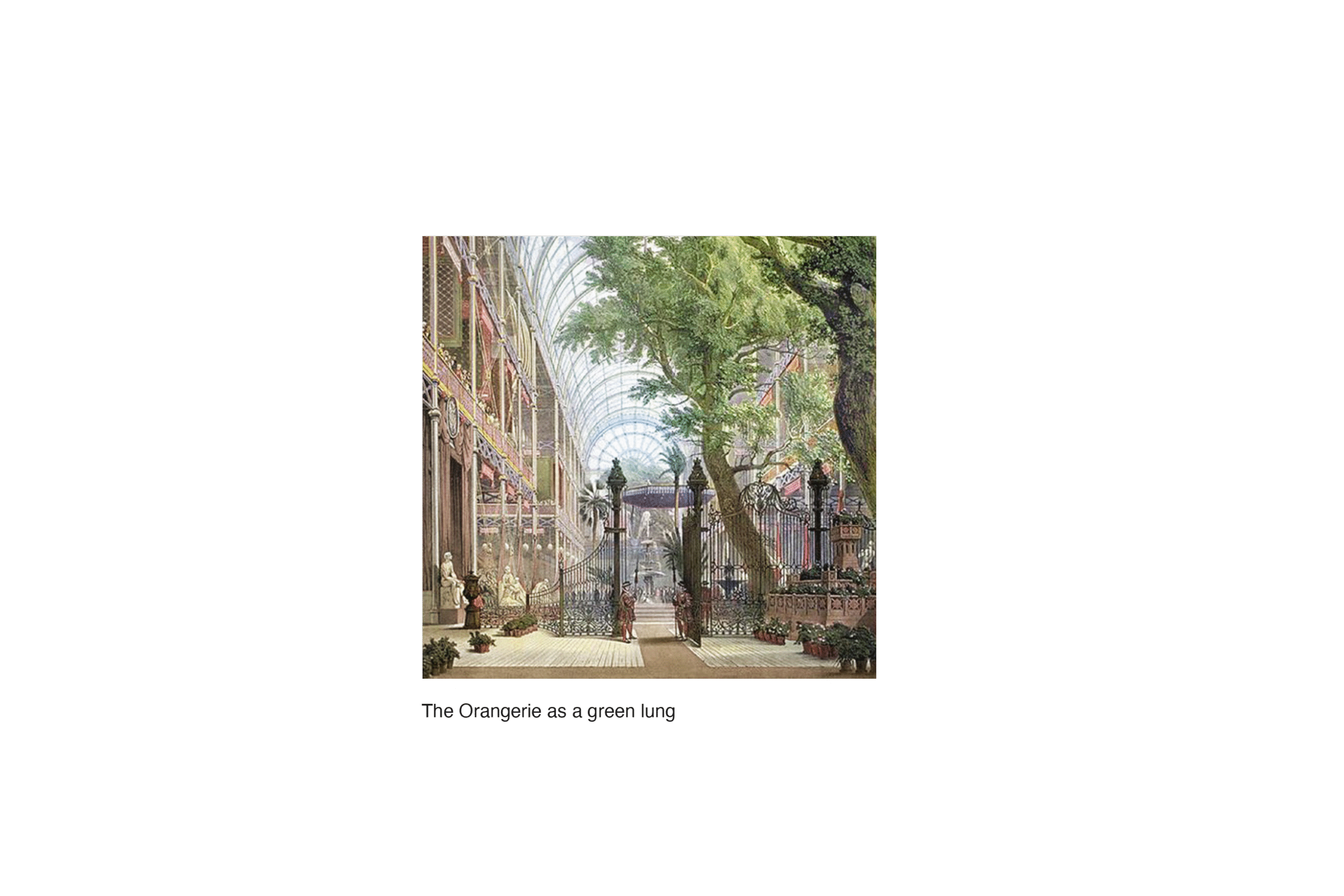
Sustainability and well-being are central to the design, which integrates biophilic principles and aligns with the WELL Building Standard. With its vertical gardens and plant walls, the Orangerie serves as the “green lung” of the complex, improving air quality, enhancing the working environment, reducing CO₂ emissions, and lowering cooling demands. The two brainstorm pods, built entirely from biobased and renewable materials, act as test spaces for innovative and sustainable products and technologies.


Two pavilions transformed
into lively meeting places


More projects


Continue reading

Pocket Park Céramique

Pocket Park Céramique

Rijksvastgoedbedrijf

Pocket Park Céramique is a design vision for the transformation of the former Rijkskantoor Avenue Céramique in Maastricht into a circular, healthy, and future-ready government office. Developed by Studio PROTOTYPE in collaboration with Hollandse Nieuwe, the project is based on integrating green spaces into the existing building structure to improve spatial quality, user well-being, and environmental performance.

  • project

    Pocket Park Céramique

  • location

    Maastricht

  • client

    Rijksvastgoedbedrijf

  • function

    office

  • size

    16 000 m²

  • status

    in progress

  • collaboration

    BINX Smartility, Hollandse Nieuwe, MOSS

  • design

    studio PROTOTYPE

  • project architects

    Jeroen Steenvoorden, Arjan Post

  • project team

    Daniela van Doorenmaalen, Diederik Hermens, Max Witteveen, Roque Pérez Pareja

  • renders

    Absent Matter


Integrated Design Vision


The project combines a network of green pocket parks with a radically circular transformation of the existing building. Green spaces connect the surrounding urban context with the interior atrium and rooftop gardens, creating places for meeting, relaxation, and informal work while enhancing biodiversity and the indoor climate. At the same time, the design prioritizes maximum reuse of existing materials and structures, complemented by new interventions executed in biobased materials. The building’s structural logic enables flexible and sustainable reconfiguration of the work floors, transforming approximately 16,000 m² of office space into an adaptive, inspiring, and healthy working environment, scheduled for completion in 2028.

Greenery forms the core of the architectural concept. Pocket parks are integrated throughout the building, across multiple levels, within the atrium, along circulation routes, and on the rooftops, creating a continuous green landscape. These planted spaces support biodiversity, improve the indoor climate, and provide areas for rest, informal meetings, and everyday interaction, transforming the carré-shaped building designed by Hubert-Jan Henket in 1998 into a lively and socially engaging workplace.

More projects


Continue reading

Oasen

Oasen

Oasen Gouda

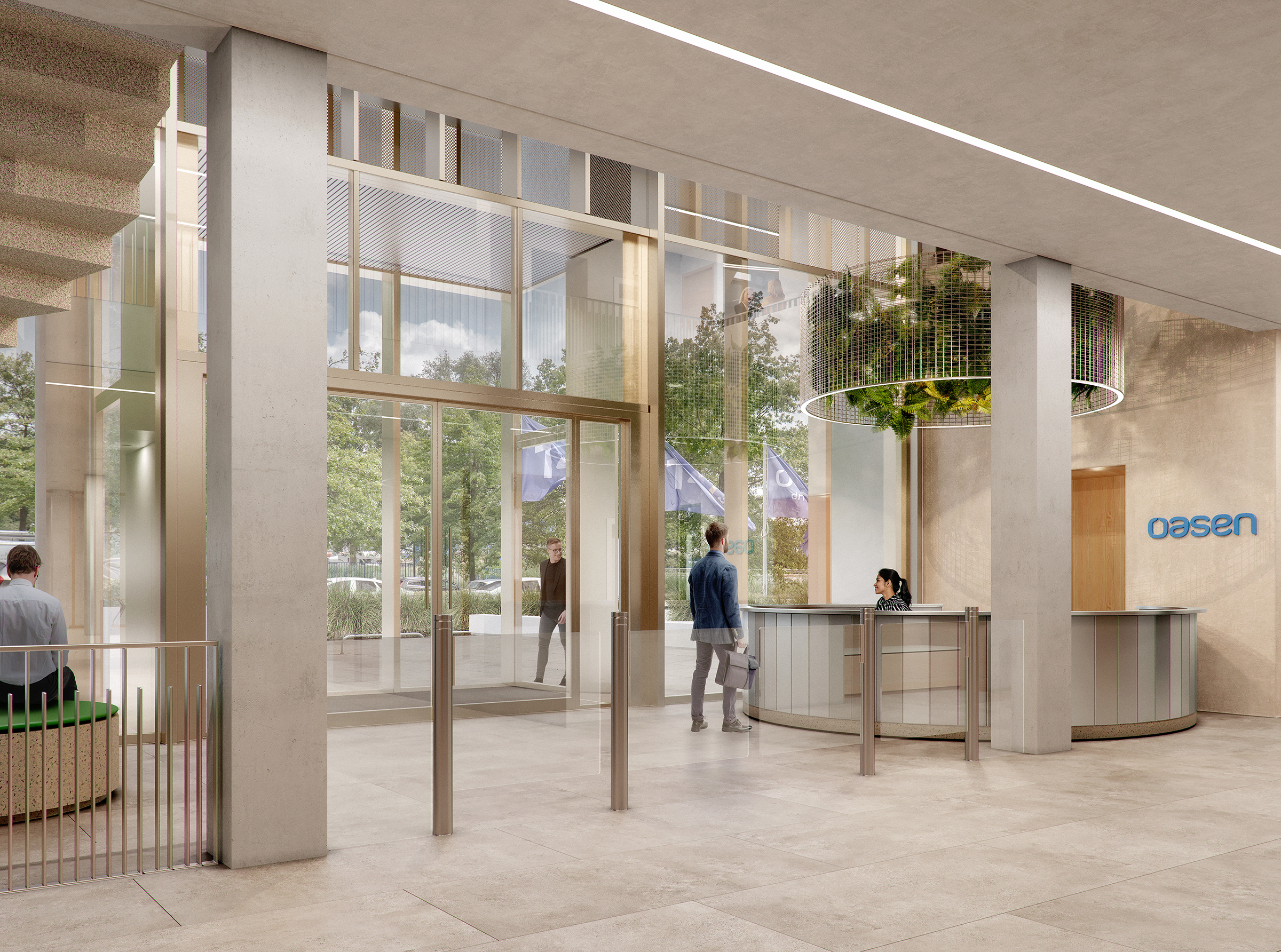
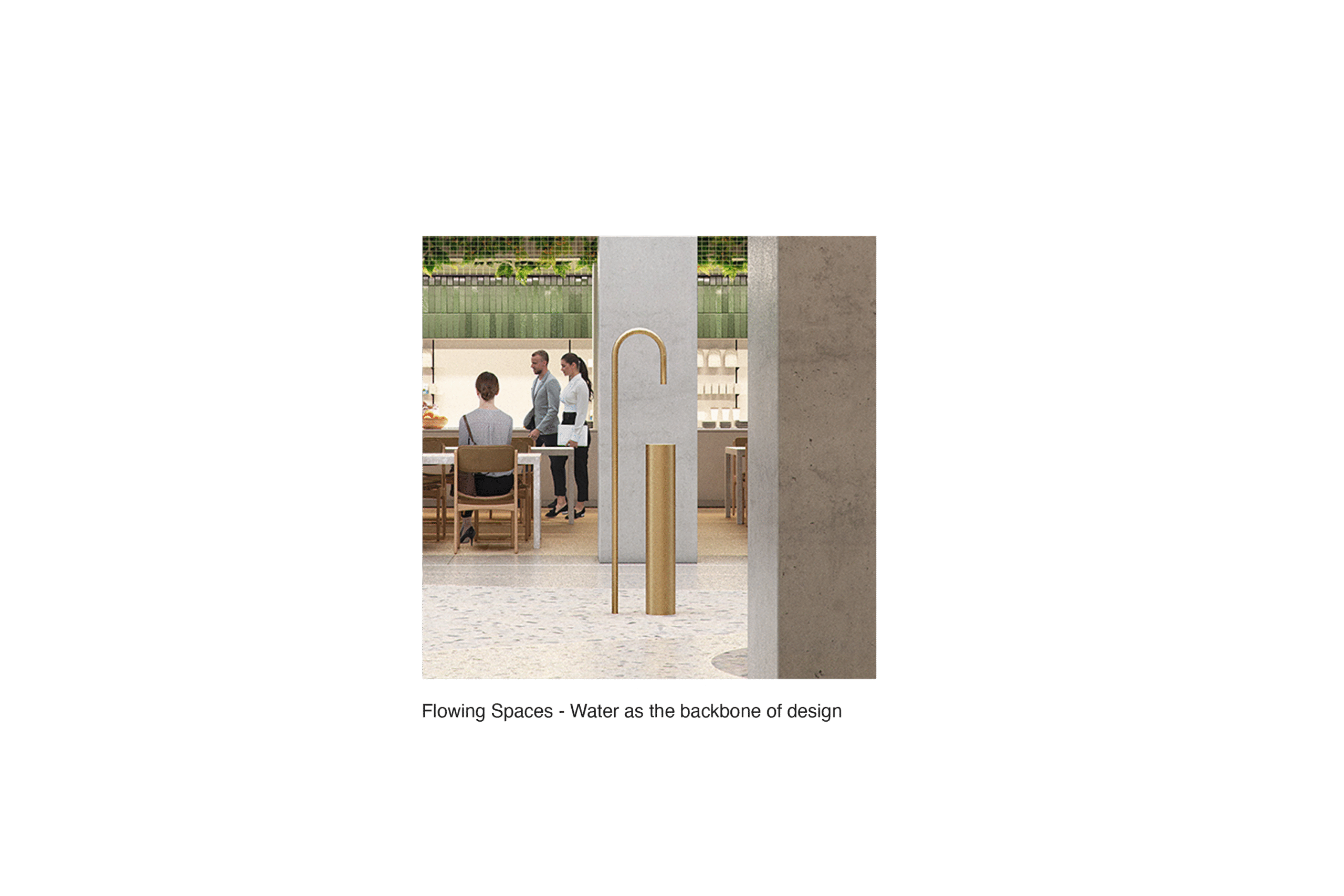
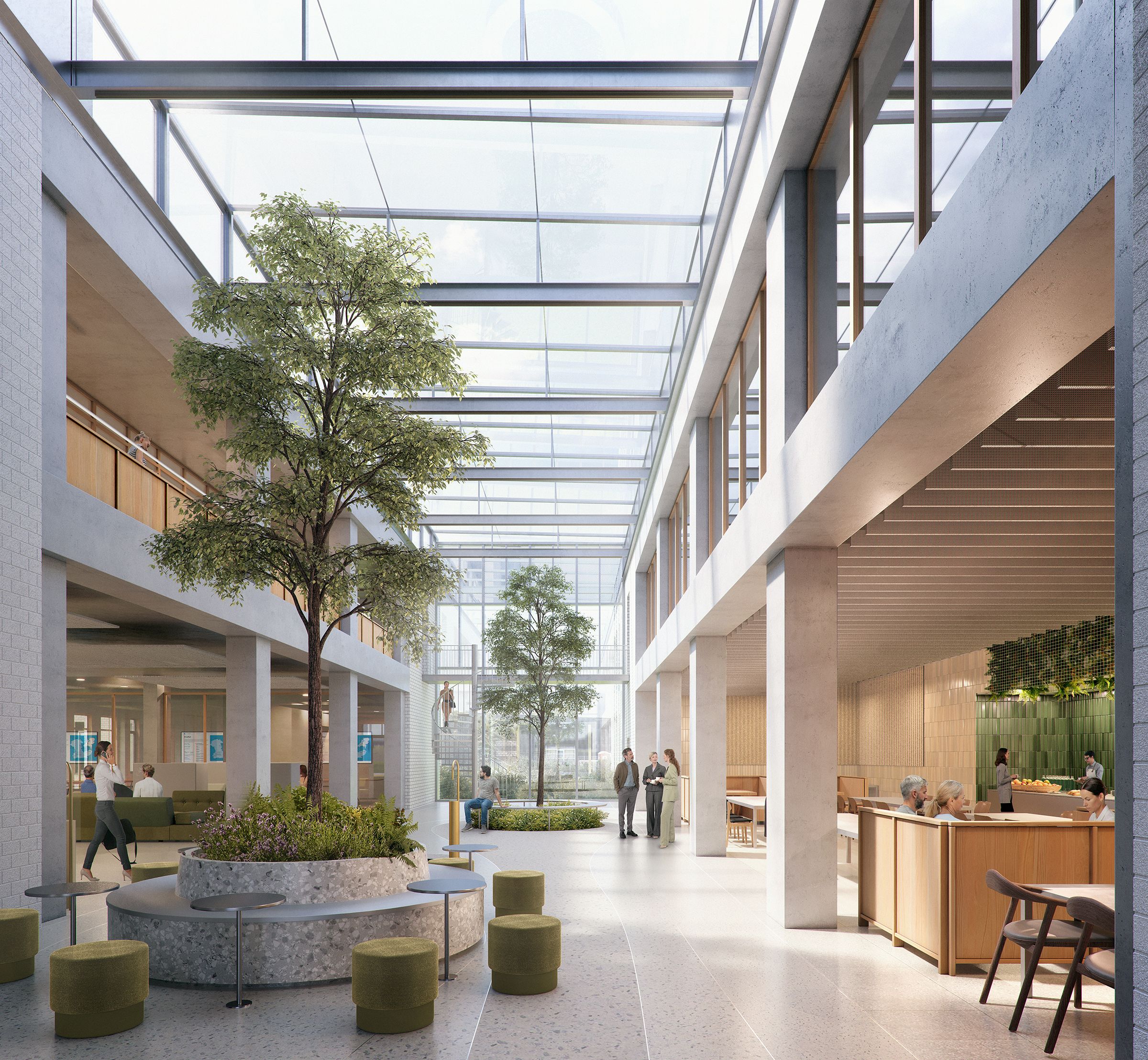
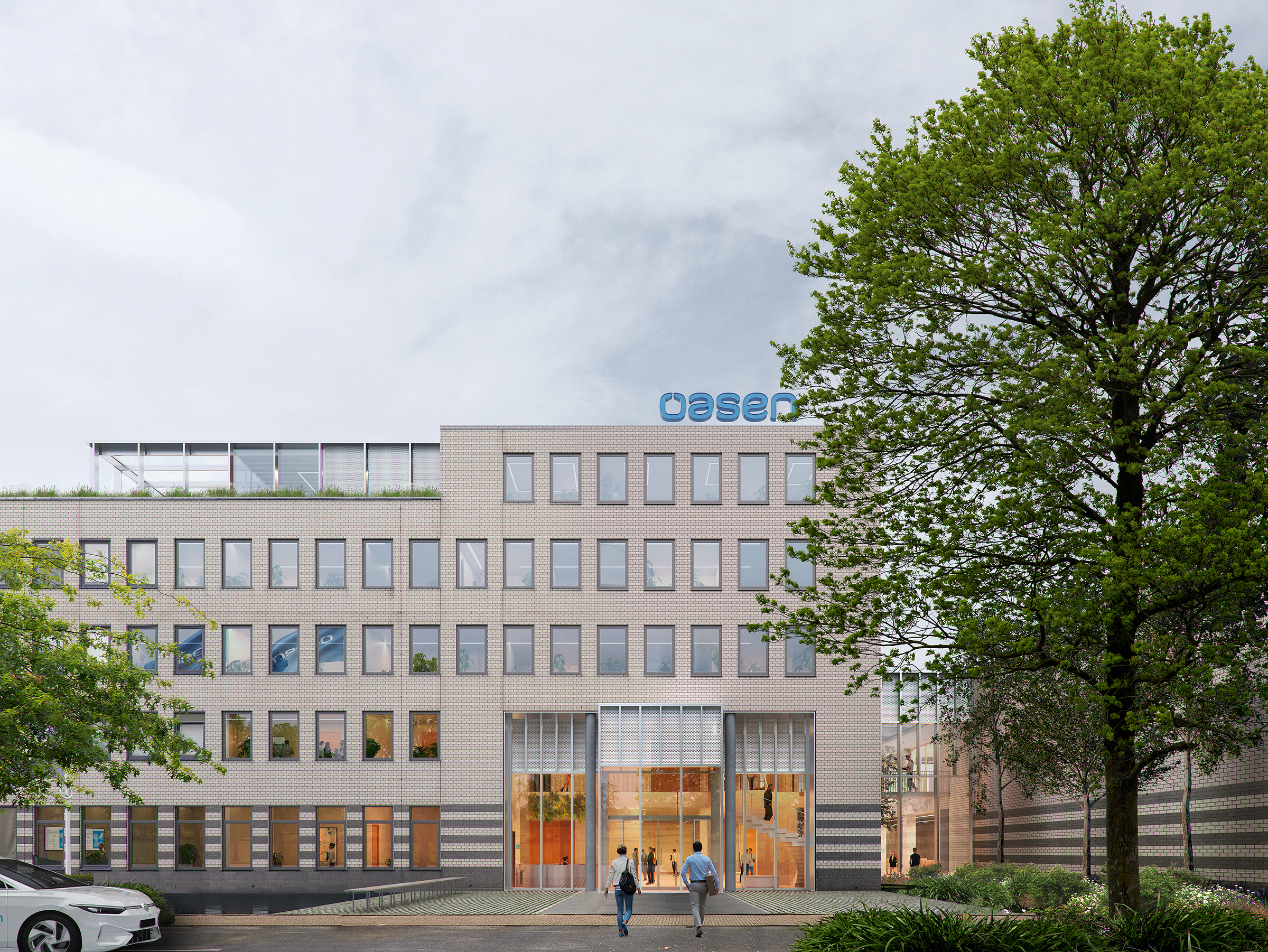
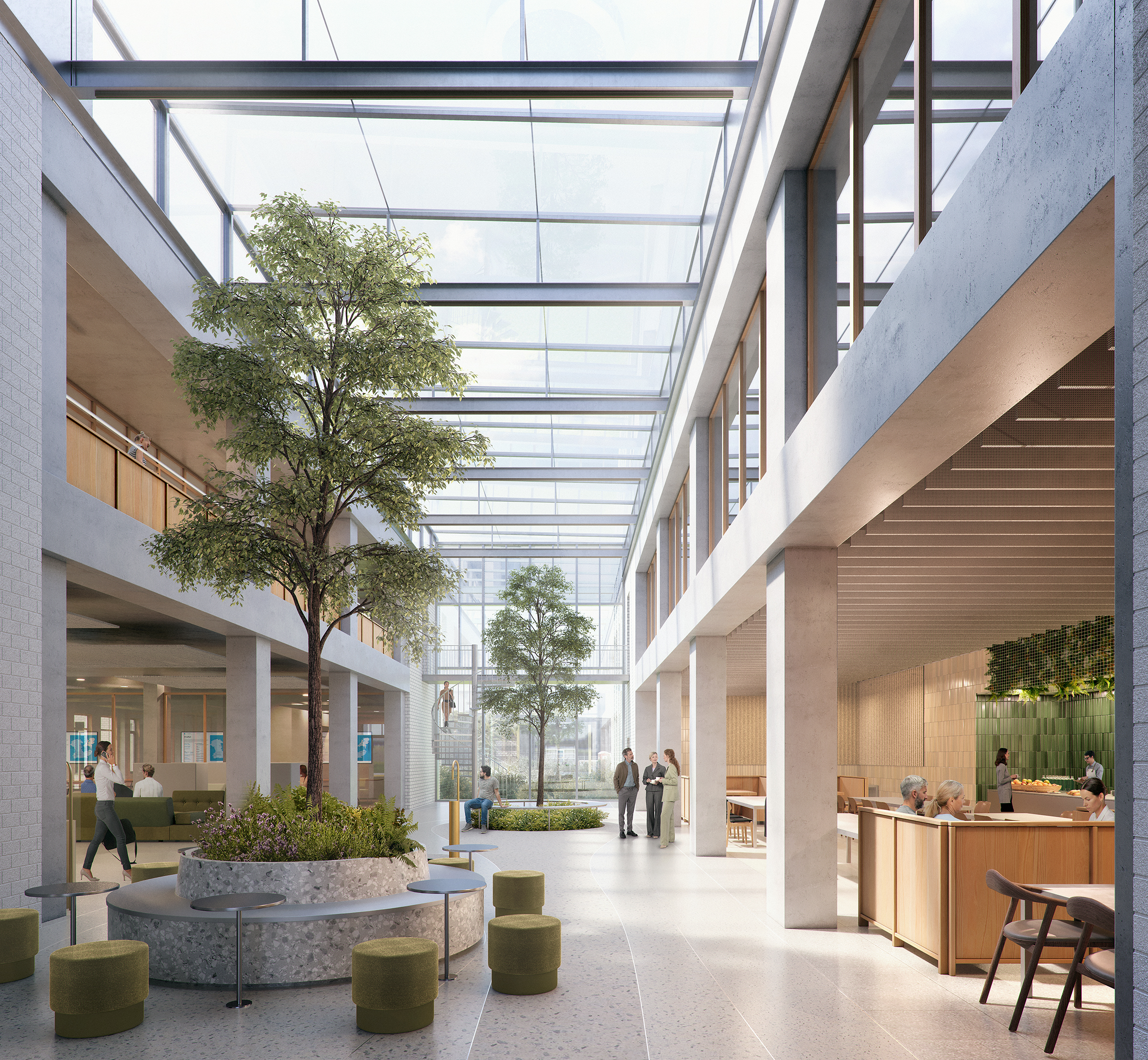
Located at Nieuwe Gouwe Oostzijde in the Nieuwe Park West business area, the site of Oasen can be seen as an oasis within an oasis. This plot is characterized by a lavish amount of surrounding greenery and water. In the design vision, the unique identity of Oasen as a water-supplying company is central; the water itself is subtly integrated not only through the tactility of materials but also by placing actual water features prominently within the meeting area.

  • project

    Oasen

  • location

    Gouda

  • client

    Oasen

  • function

    office

  • size

    5.500 m²

  • status

    in progress

  • design

    studio PROTOTYPE

  • project architects

    Jeroen Steenvoorden in collaboration Jeroen Spee, Juliet Manrho

  • project team

    Olivier Cleijsen, Lucy Lever-Brine, Henrik Holte

  • renders

    Absent Matter


Design and Space Utilization


The heart of the meeting area is the new atrium. This former outdoor space forms the natural axis between the entrance zone and the garden to the west. Covered by an innovative technical atrium roof, it subtly allows daylight, air, and spaciousness to enrich this green gathering place for employees. The materialization, green fill, and overall experience of the atrium make it a place where one feels the outdoor green environment yet remains an integral part of the entire meeting and restorative area.


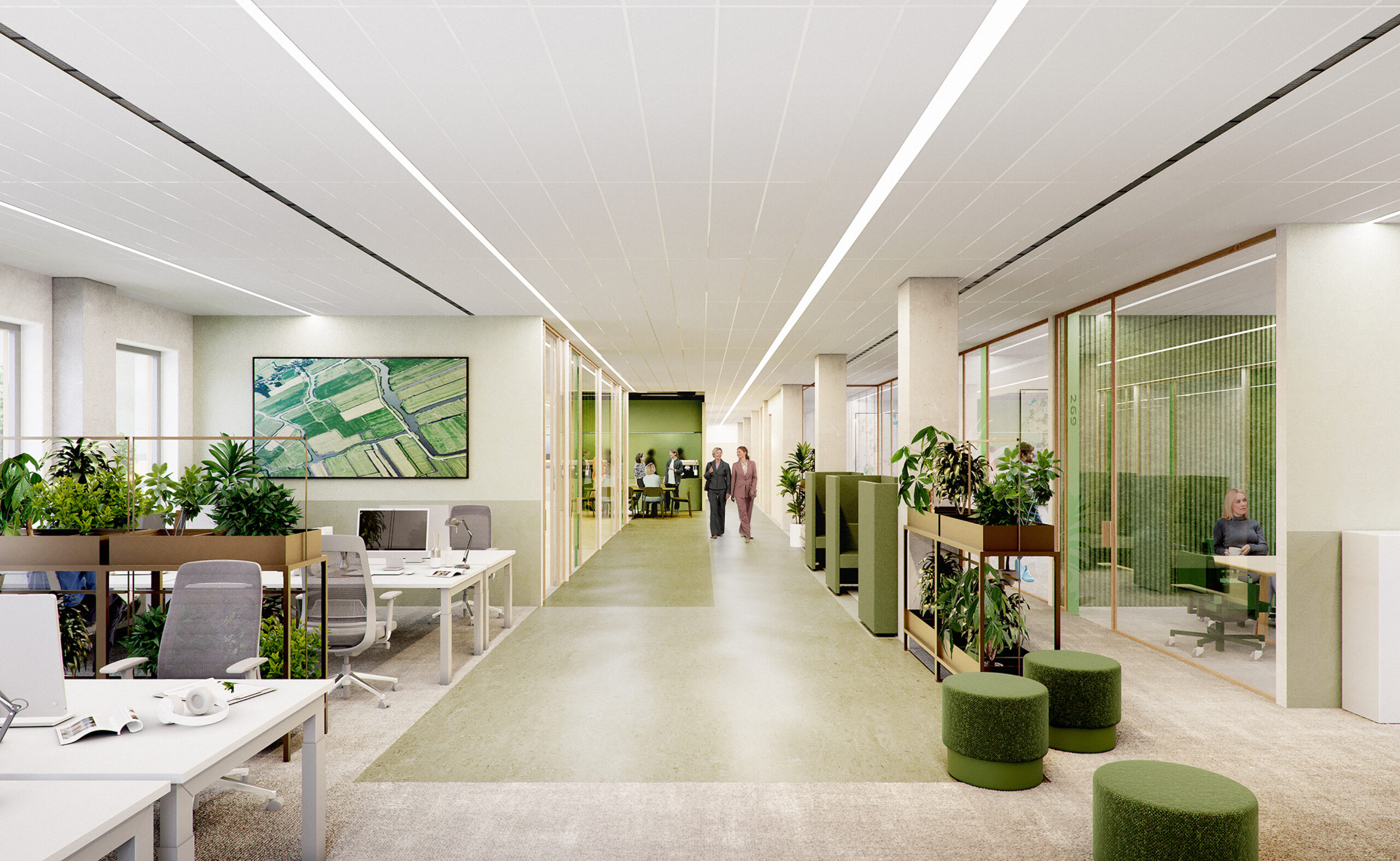
The layout of the work area facilitates new connections and enables the ‘flow’ of people, thereby fostering encounters and collaboration. The design concept relies on an intuitive arrangement of floor plans ranging from quiet to bustling areas, offering a diversity of suitable workspaces and atmospheres. 

On the fourth floor, a reduced-size meeting/workshop pavilion has been reintroduced, providing Oasen a low-cost opportunity to also take advantage of this unique location with views over the city and the green retention roof for more private discussions outside the meeting area. The materialization concept uses timeless sustainable materials that uniquely complement the theme of the water landscape and add identity to the place.


More projects


Continue reading

De Werkplaats

De Werkplaats

Private Client

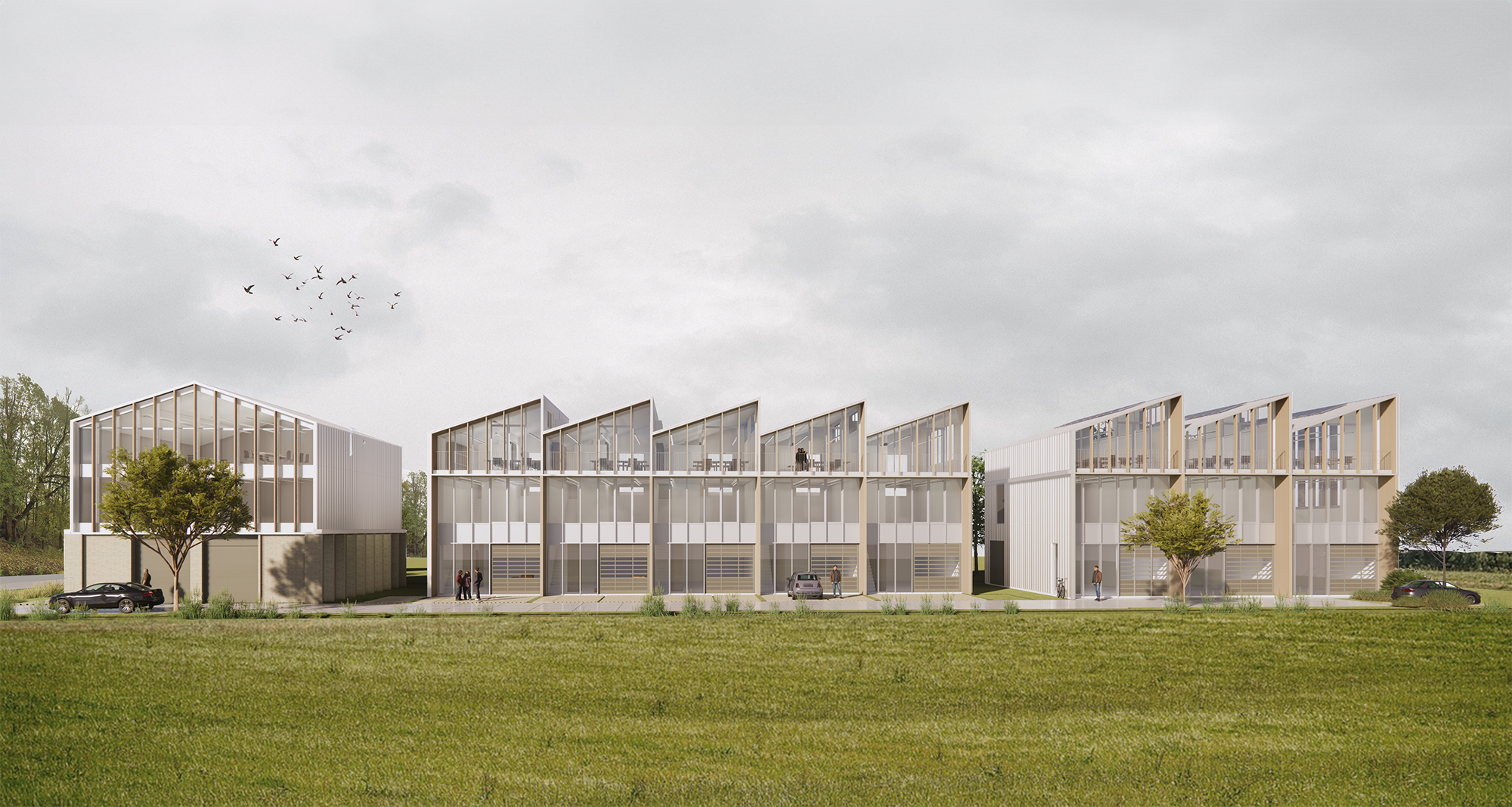
The project involved the development of a new office and warehouse complex at Lutkemeerweg in Amsterdam, replacing an existing residential building with an attached barn. Over the following months, the design was refined and optimized with input from municipal urban planners. The aim was to create a functional, sustainable, and contemporary work environment that seamlessly integrated into the characteristic polder landscape of Nieuw-West, maintaining a balance between built structures and green-blue spaces.

  • project

    De Plaats

  • location

    Lutkemeerweg, Amsterdam

  • client

    Private client

  • function

    office / workspace

  • size

    1630 m²

  • year

    2025

  • status

    in progress

  • design

    studio PROTOTYPE

  • project architects

    Jeroen Steenvoorden, Diederik Hermens

  • project team

    Pim Joosten


Urban Design Concept


The project referenced the traditional lintbebouwing typology — a linear development along the road. The complex was organized into three interconnected volumes: a front “house” facing the street and two barn-like volumes set back behind it. This layout preserved the rhythm of the existing streetscape and created visual corridors toward the polder. The spaces between the buildings were filled with semi-open surfaces featuring grass pavers, enhancing the integration of the development with the surrounding landscape.

Architectural Concept


The buildings were designed using a modular construction system with a cohesive material palette of brick, metal, and glass. Shed roofs ensured even northern daylight, emphasizing the functional character of the workspaces. The front volume featured a richer material expression, while the rear volumes were simpler but consistent in style. A restrained color scheme of greys and sand tones harmonized the complex with its surroundings, and sustainable measures — including permeable paving and native plantings — supported water retention and biodiversity, embedding the development within the natural polder landscape.
More projects


Continue reading

Pieter Baan Centre

Entrance Pieter Baan Centrum

Rijksvastgoedbedrijf

The relocation of the Pieter Baan Centre from Utrecht to Almere offered Studio PROTOTYPE the opportunity to rethink the architecture of an institution with a highly sensitive and complex character. The entrance building was conceived as a crucial interface between the public realm and a highly secured environment. The design aims to combine clarity, calmness, and spatial dignity, while clearly articulating the moment of transition from outside to inside.

  • project

    Entrance Pieter Baan Centrum

  • location

    Almere

  • client

    Rijksvastgoedbedrijf

  • function

    health clinic

  • size

    200 m²

  • year

    2018

  • status

    built

  • design

    studio ROTOTYPE

  • project architects

    Jeroen Steenvoorden in collaboration with Jeroen Spee, Janne van Berlo

  • project team

    Gijs van Suijlichem, Nout Barentsen, Sjoerd van Greevenbroek, Coline Mauroy, Lara Monfort, Steven Otten, Mitchel Verkuijlen, Rosella Villani, Dieter Vlieghe

  • collaboration

    Heijmans Utiliteitsbouw, Heijmans Installatietechniek

  • photos

    Jeroen Musch


An architecture of transition and serenity


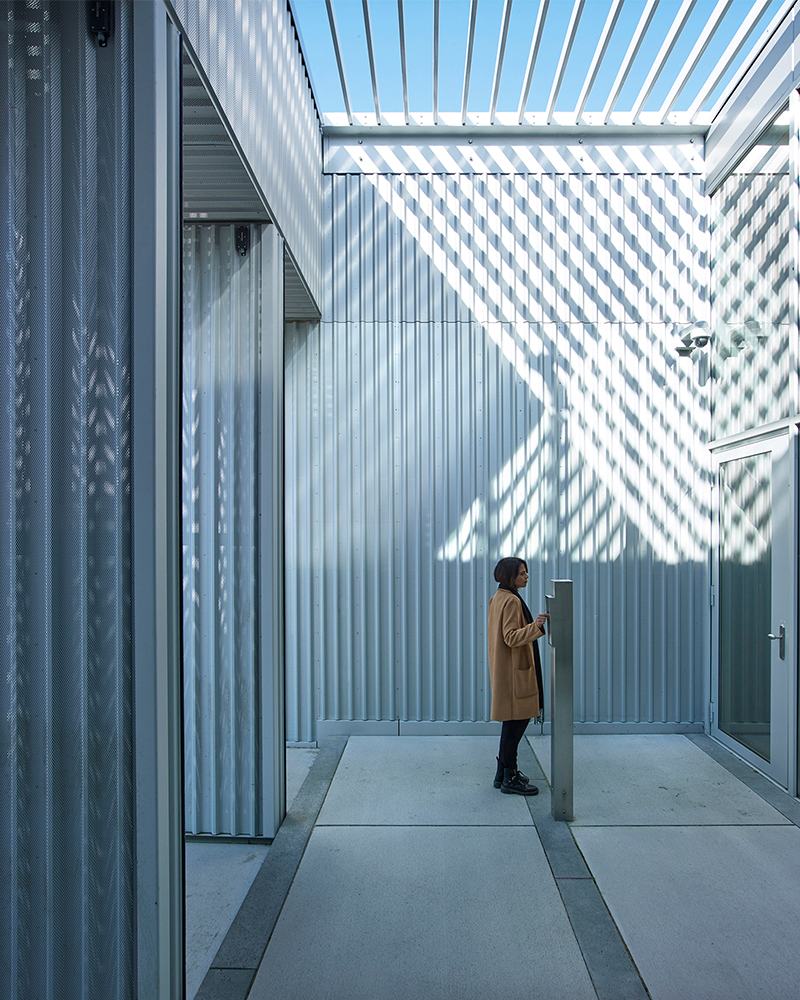
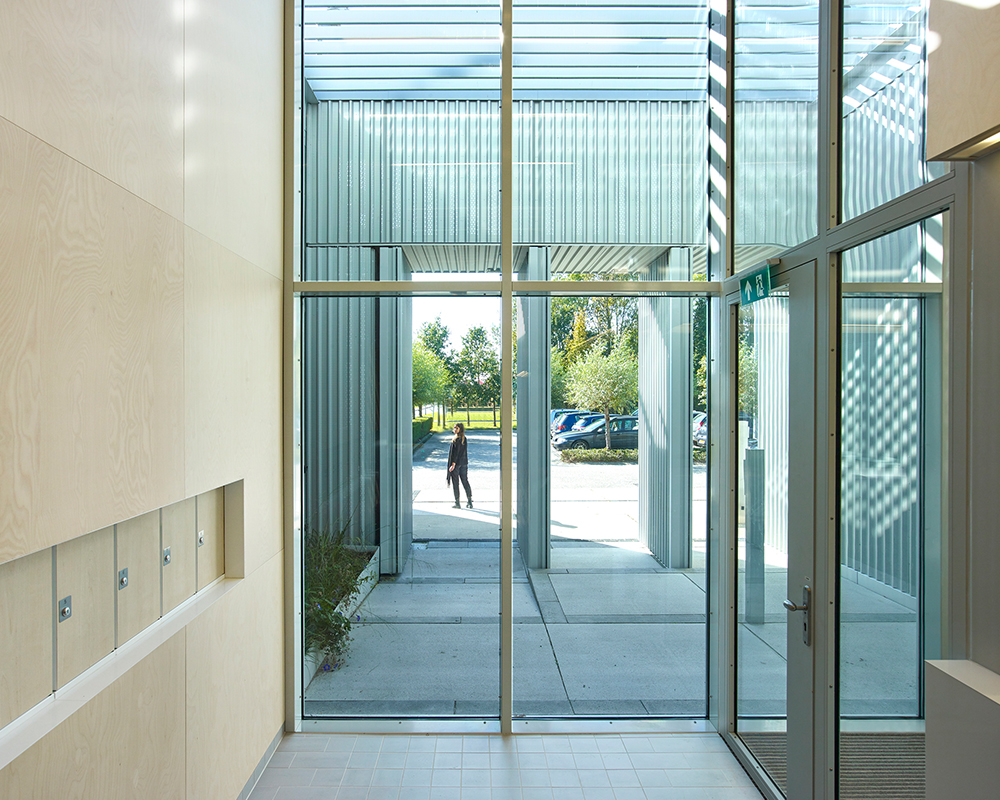
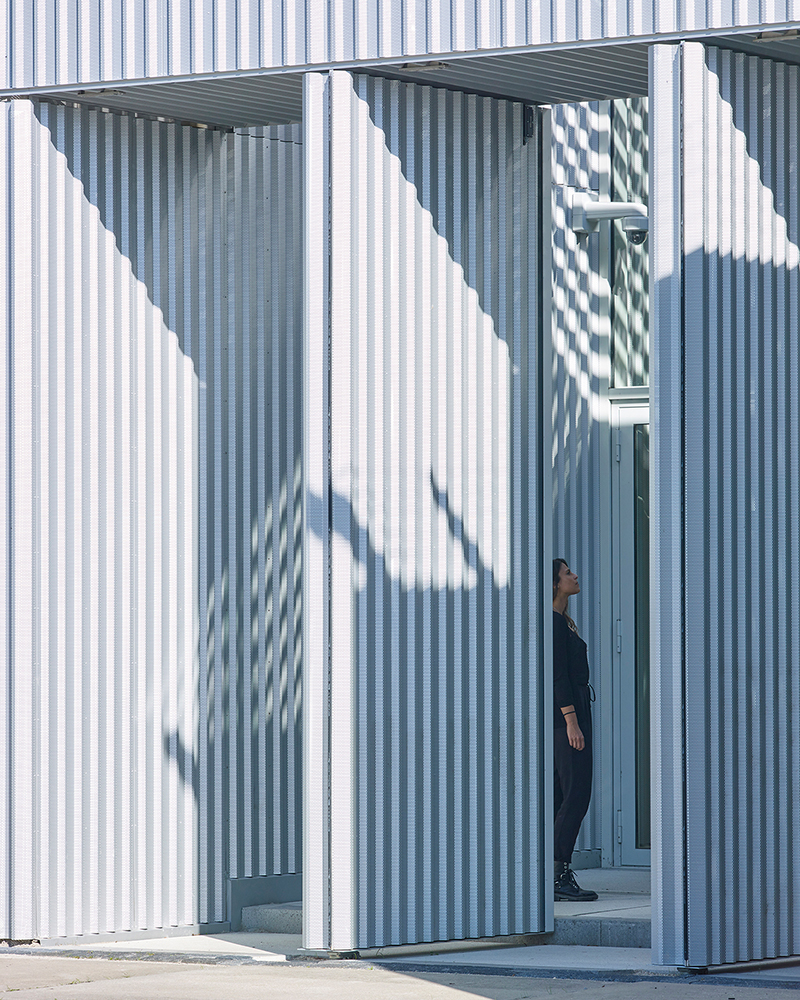
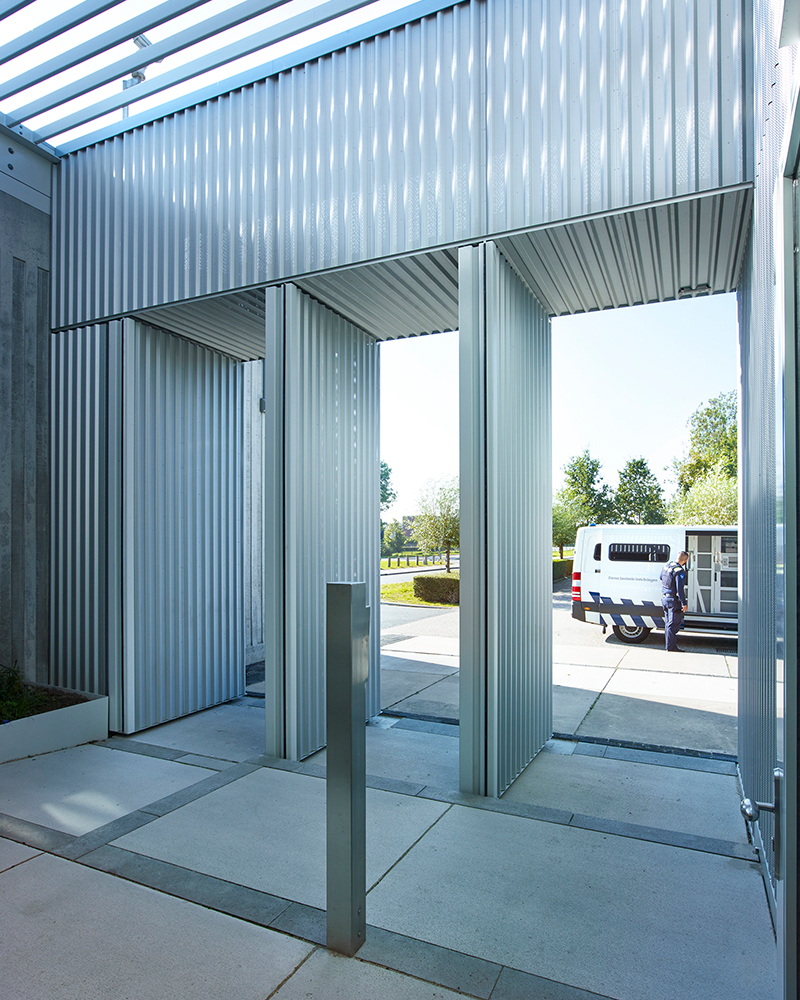
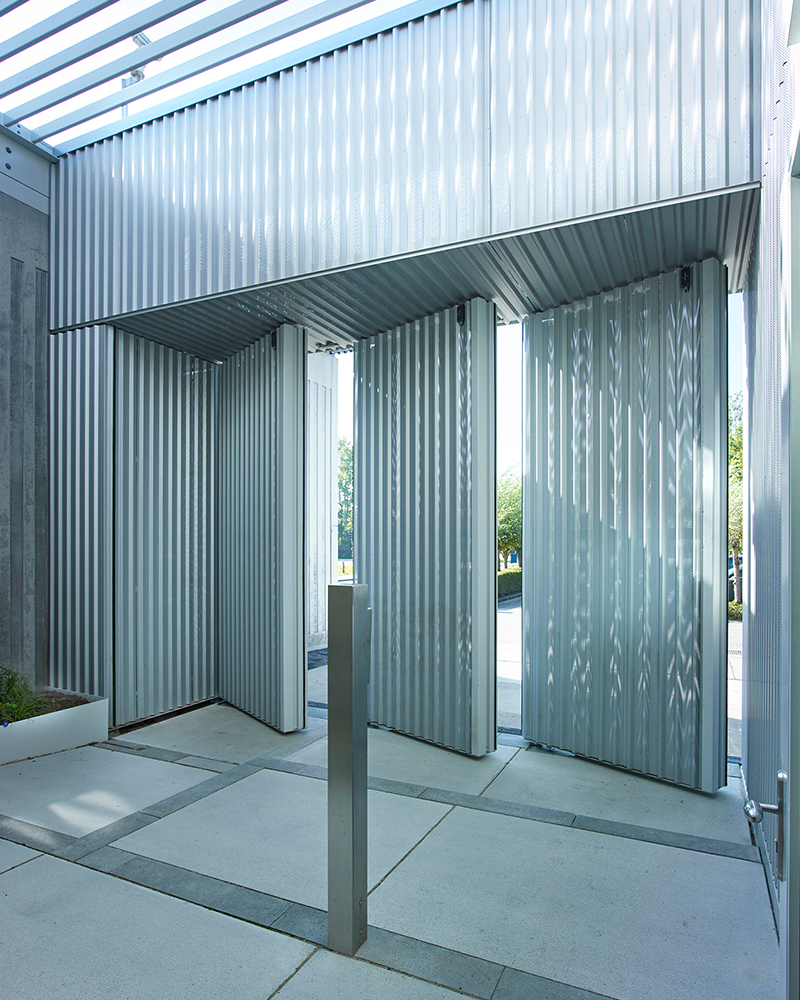
The entrance building is conceived as a distinct, luminous landmark within the newly established perimeter of the Oostvaarders clinic. Three monumental doors mark the approach, guiding visitors through a carefully orchestrated sequence of spaces that subtly communicate the crossing of a security threshold. This choreography of movement ensures that the experience of entering the complex is legible, calm, and dignified, balancing the institutional requirements with human perception.


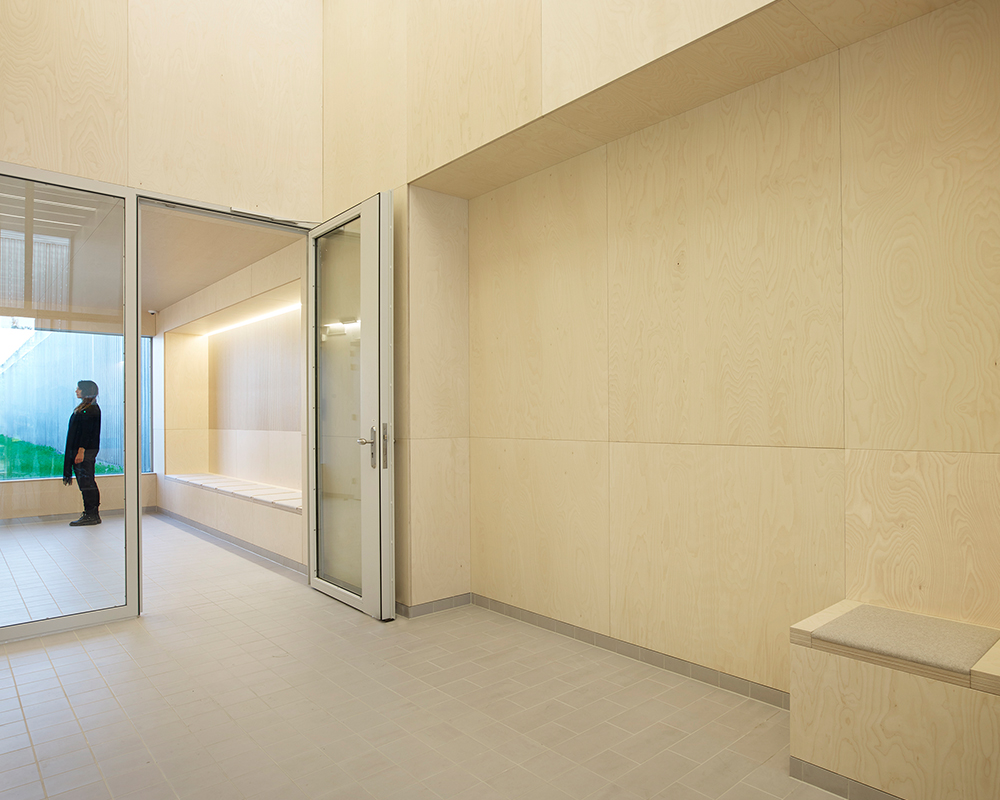
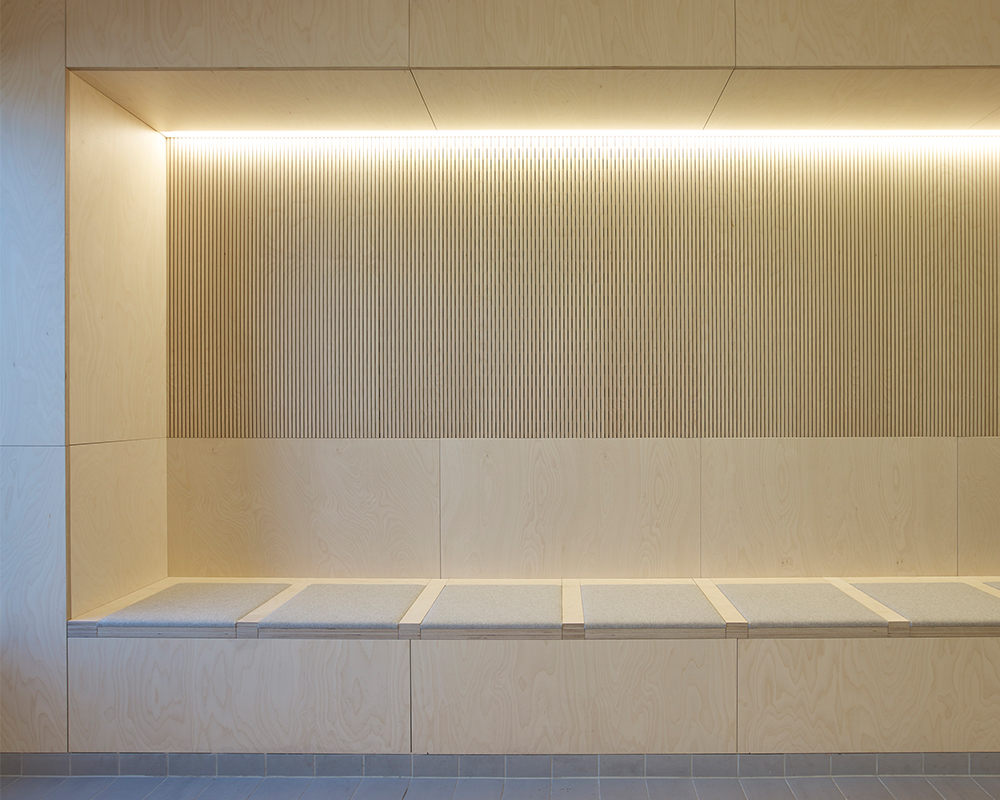
Inside, the building opens into a light-filled and serene environment. Natural daylight floods the space, emphasizing clarity and openness, while carefully considered materials and textures contribute to a sense of warmth and reassurance. The interior is organized around a central spine, created by a custom-designed, integrated wooden furniture element that structures the flow of the building. This piece not only organizes circulation but also provides functional zones, subtly connecting different programmatic areas without interrupting the visual continuity.

Assembly


These diagrams articulate the spatial logic and constructive idea behind the entrance intervention. They trace the process from abstract organisation and sectional relationships to the assembly of structure and thresholds. 


The wooden spine culminates in the waiting area, where it merges with the space and directs the gaze toward the clear zone and the expansive security wall beyond. The interplay between the warm, tactile interior materials and the austere exterior environment heightens the perception of transition, reinforcing the entrance as a serene threshold. Through this combination of light, materiality, and spatial clarity, the building creates a calming, human-centered experience at the interface between public access and institutional security.

Framing the experience


This wooden spine culminates in the waiting area, where it becomes an integral part of the space. From here, a panoramic view opens toward the clear zone and the seemingly endless security wall beyond. The contrast between the warm interior materials and the austere exterior infrastructure heightens the spatial experience, positioning architecture as a mediator between human scale and institutional requirements.


More projects


Continue reading

House of Dentons

House of Dentons

Dentons

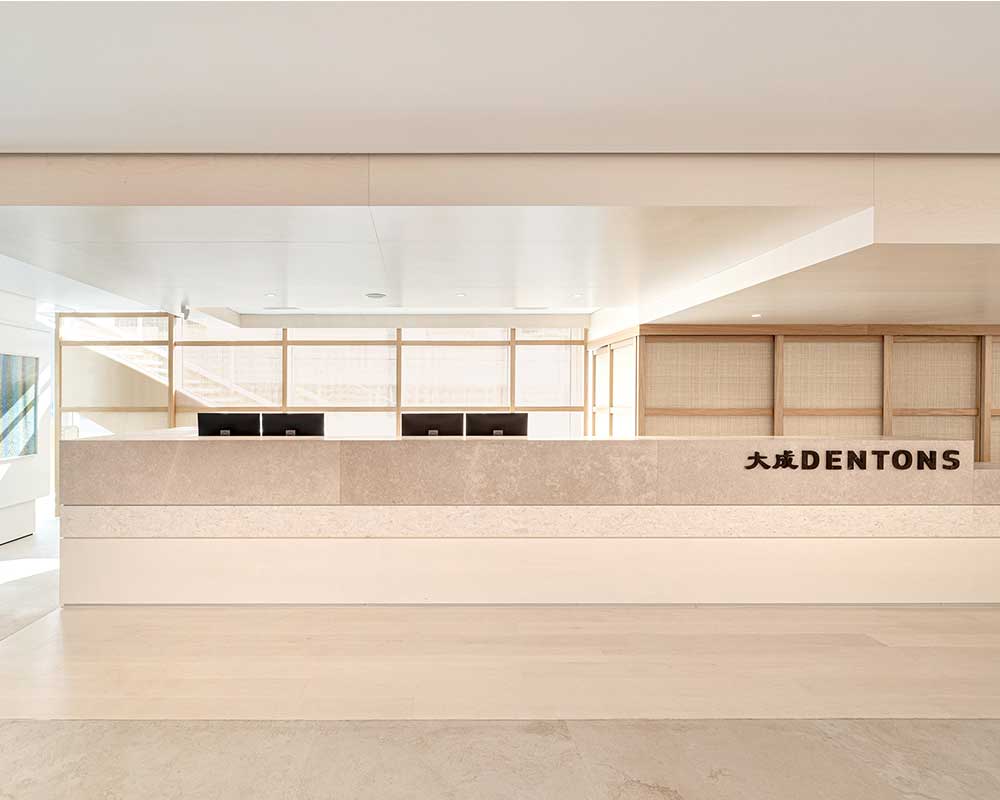
Dentons is the biggest law firm of the world, with a polycentric knowledge network and branches in 73 countries. Studio PROTOTYPE has been asked to design the interior concept of ‘House of Dentons’ for their Dutch branch, with approximately 6000 m2 located in the Viñoly building on Amsterdam’s Zuidas. Studio PROTOTYPE collaborated with DZAP a design & build construction in order to get from first sketch to final realization within a year. Thanks to smart phasing by housing advisor Cushman & Wakefield, Dentons was able to keep working in the Viñoly buiding during the rebuilding.

  • project

    House of Dentons

  • location

    Amsterdam

  • client

    Dentons

  • function

    office

  • size

    7.000 m²

  • year

    2020

  • status

    built

  • design

    studio PROTOTYPE

  • project architect

    Jeroen Steenvoorden in collaboration with Jeroen Spee, Steven Otten

  • project team

    Maria Monteiro, Alicja Bedkowska, Gijs van Suijlichem, Silke Hartholt, Francesca Motta

  • collaboration

    DZAP, GreenStories, Smeulders Interieur Groep, Cushman&Wakefield, Van Rossum Raadgevende Ingenieurs, Van Galen Klimaattechniek, Terberg Totaal Installaties

  • photos

    Ewout Huibers


Warm and
timeless


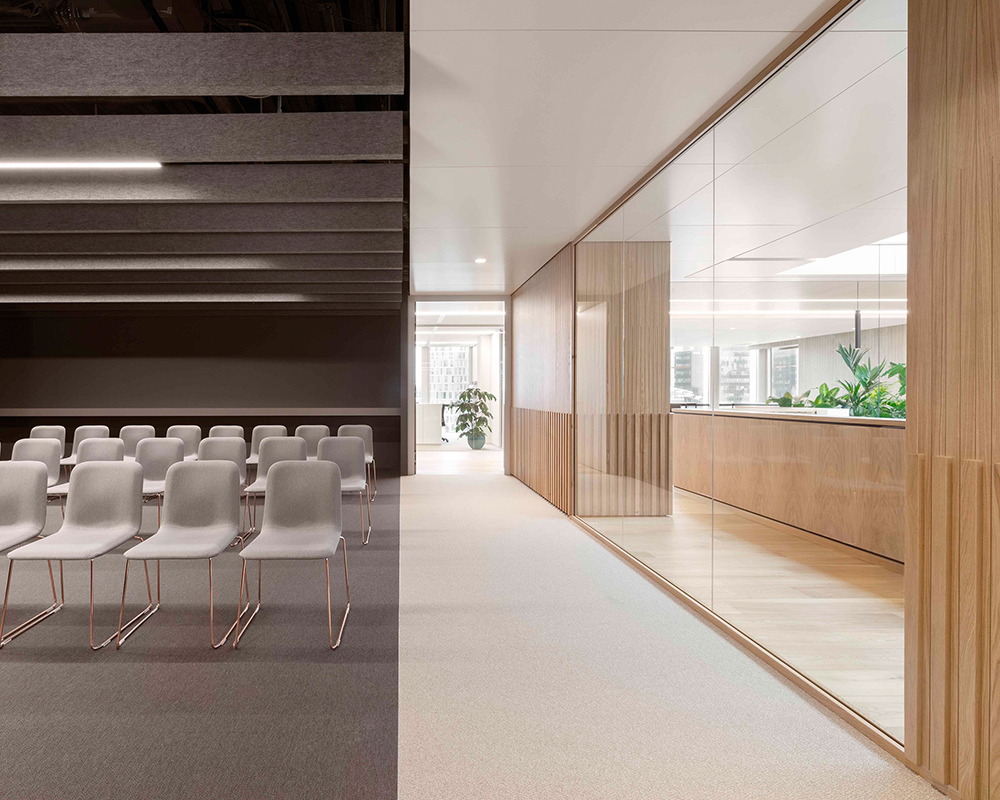
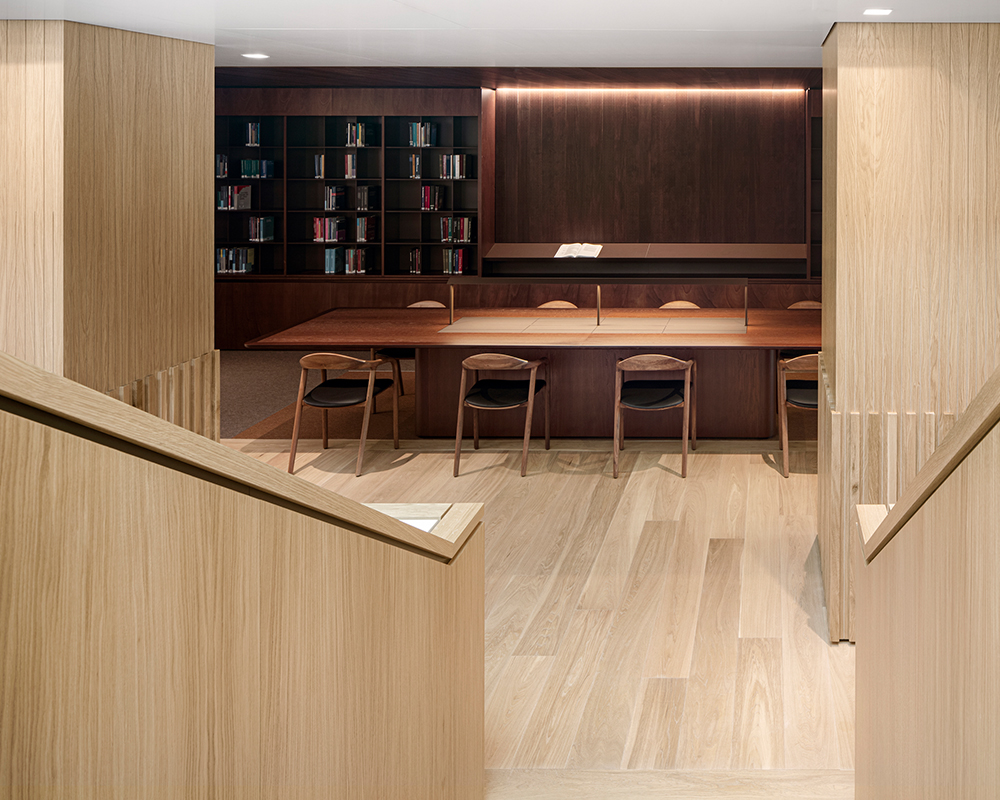
The principle of House of Dentons is a warm & timeless interior that translates the polycentric character of Dentons into a versatile interior. The concept exists out of a variety of places with their complete own character that stimulates meeting & movement on the basis of intuition & openness. The central place within the concept is an atrium, that feels like the heart where the dynamics of the interior becomes visible. Places such as the entrance landscape, the meeting lane, art gallery and the green tribune garden are laced together in a beautiful way and create diversity in ‘ways of working’, but give a sequence of different (interior) experiences too.

The sequential experience is being strengthened by the effect of wings, by adding large wooden discs on strategical positions on the plan. They create beautiful bounded spaces with several vistas to other spaces. With ‘House of Dentons’ a work environment has been created to offer security and comfort while at the same to function as a stage for talent to excel on.


“Law firm interior offers a sequence of atmospheres.”

Robert Mouse, Architectenweb


More projects


Continue reading

The Grove

The Grove

schiphol real estate

Commissioned by Schiphol Real Estate, The Grove is a distinctive multi-tenant office building designed by studio PROTOTYPE in collaboration with VDNDP. Located in the Schiphol Central Business District (CBD) and adjacent to The Base office complex, The Grove also enjoys a prime position along the A4 highway.

  • project

    Schiphol The Grove

  • location

    Schiphol

  • client

    Schiphol Real Estate

  • function

    multi-tenant office building

  • size

    10.400 m²

  • year

    2021

  • design

    studio PROTOTYPE

  • project architects

    Jeroen Steenvoorden in collaboration with Jeroen Spee, Steven Otten, Jochem Alferink

  • project team

    Theresia van Koppen, Ricardo Mendes Machado, Francesca Motta, Rodolfo Siccardi, Sookyum Lee, Gijs Suijlichem, Alicja Bedkowska, Ana Marchidan, Nout Barentsen

  • renders

    CIID and studio PROTOTYPE


Unique view
to the dynamic nature
of Schiphol


The project begins with the goal of creating a healthy and sustainable work environment, where the design focuses on the people. The project is designed in a dynamic fashion with a natural flow to invite people to the heart of the building.With the orientation of the atrium towards the sun, it allows the sunlight to reach deep inside the building. It includes a tribune and a green, enclosed space with seating and lounge areas, designed by MOSS Amsterdam. The atrium’s design mimics the feel of an intimate orchard courtyard, offering a spacious, open area with structured viewpoints. These points act as the eyes of the building and function as reception areas for the various tenants of The Grove.


The building’s exterior features a unique, transparent design that wraps around the curves of the building volume. This creates lively reflections and changing light effects, offering a dynamic view of Schiphol. The Grove is a sustainable building (BREEAM Excellent), equipped with SMART building technology systems and a structure made from cross-laminated timber. It will be a multi-tenant office space, offering around 10,400 m² of flexible floor area that can accommodate businesses of different sizes. The adjacent green public space is designed by Flux Landscape Architecture.

More projects


Continue reading

Meet & Greet

Meet & Greet

Blenheim Advocaten

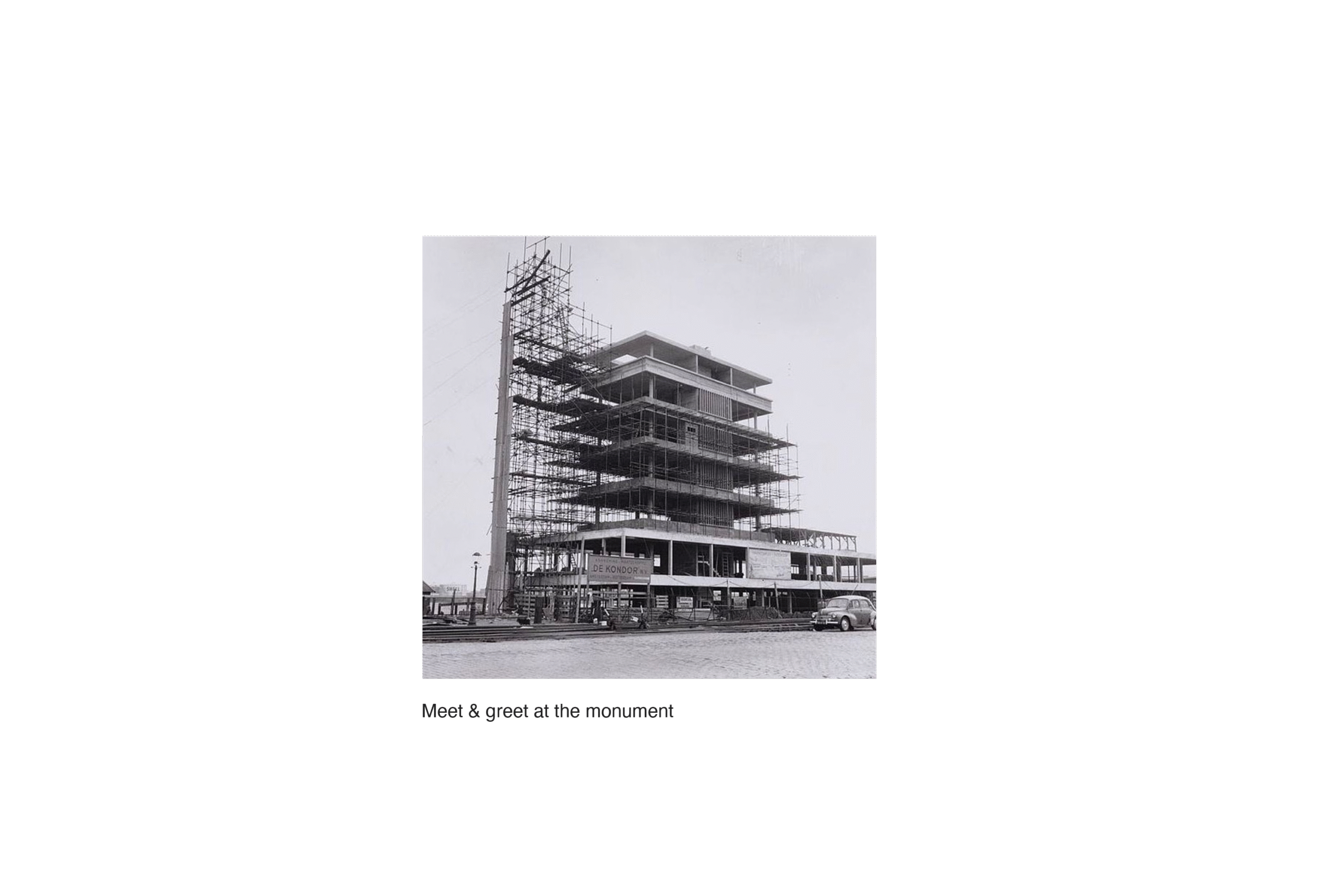
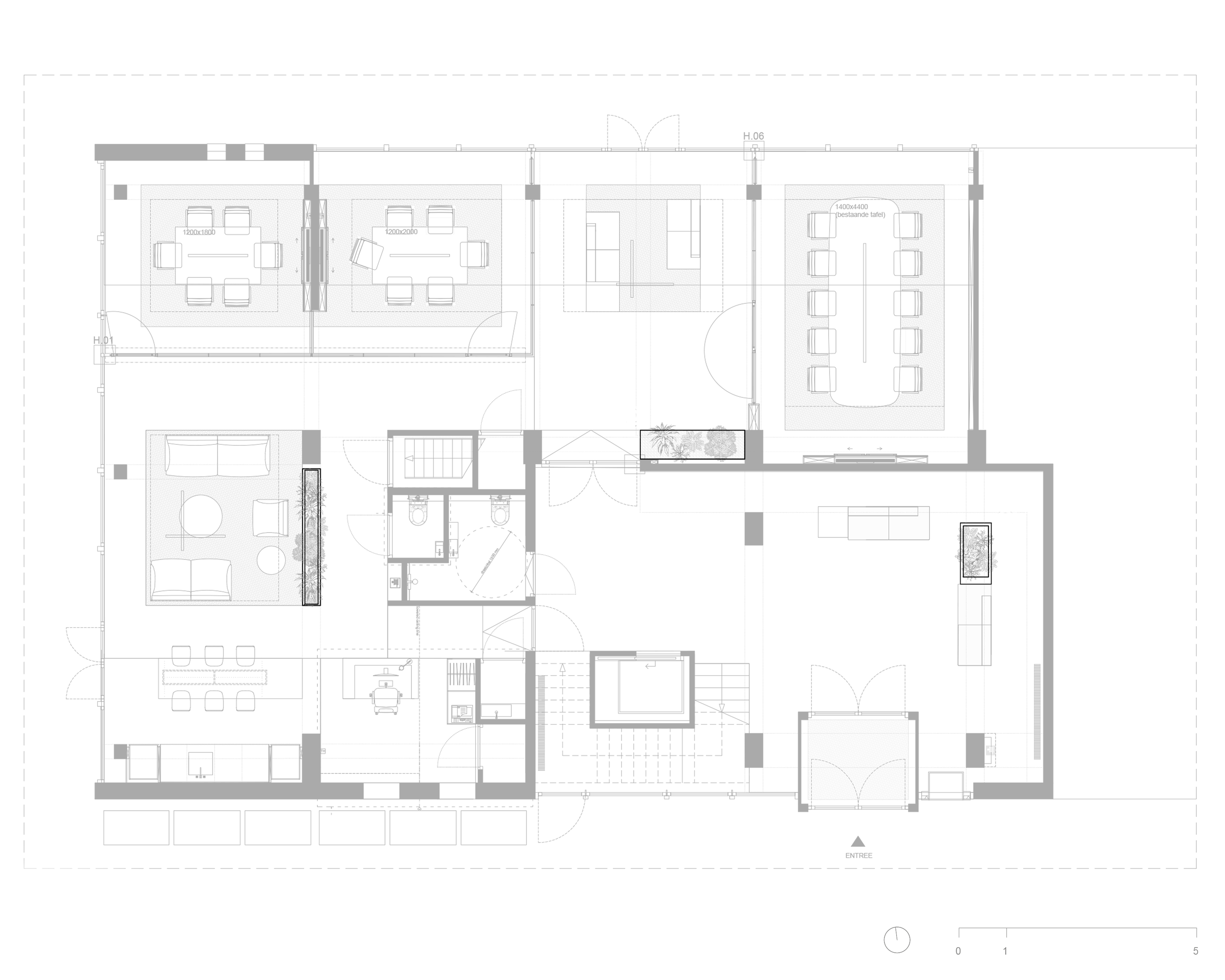
Studio PROTOTYPE has been approached by Blenheim Advocaten to design a Meet & Greet area on the ground floor of the Westerdokdijk 40 building, a former home of Rededrij Gebr. Goedkoop and designed by an architect F.J.E. Dekeukeleire.
  • project

    Meet & Greet, Blenheim Advocaten

  • location

    Amsterdam

  • client

    Blenheim Advocaten – lawyer firm

  • function

    office

  • size

    170 m²

  • year

    2019

  • status

    built

  • design

    studio PROTOTYPE

  • project architects

    Jeroen Steenvoorden in collaboration with Jeroen Spee

  • collaboration

    DZAP, Verheggen Interieurs, Green Stories, QC Lightfactory

  • photos

    Robertino Nikolic


Timeless
ambiance


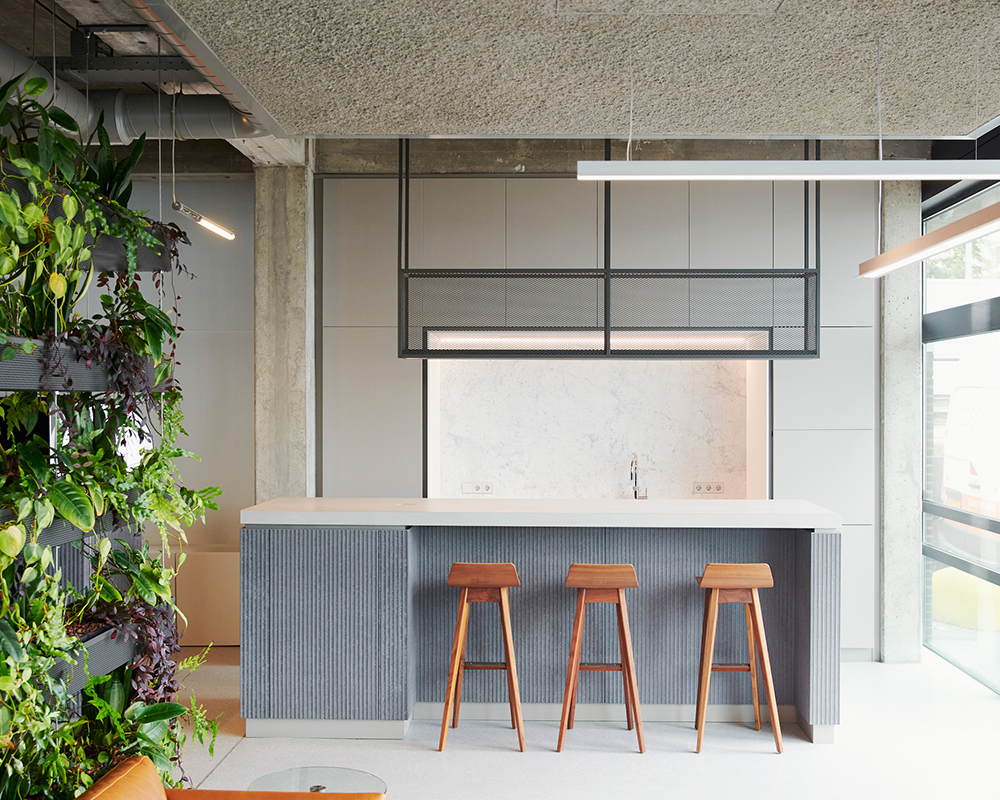
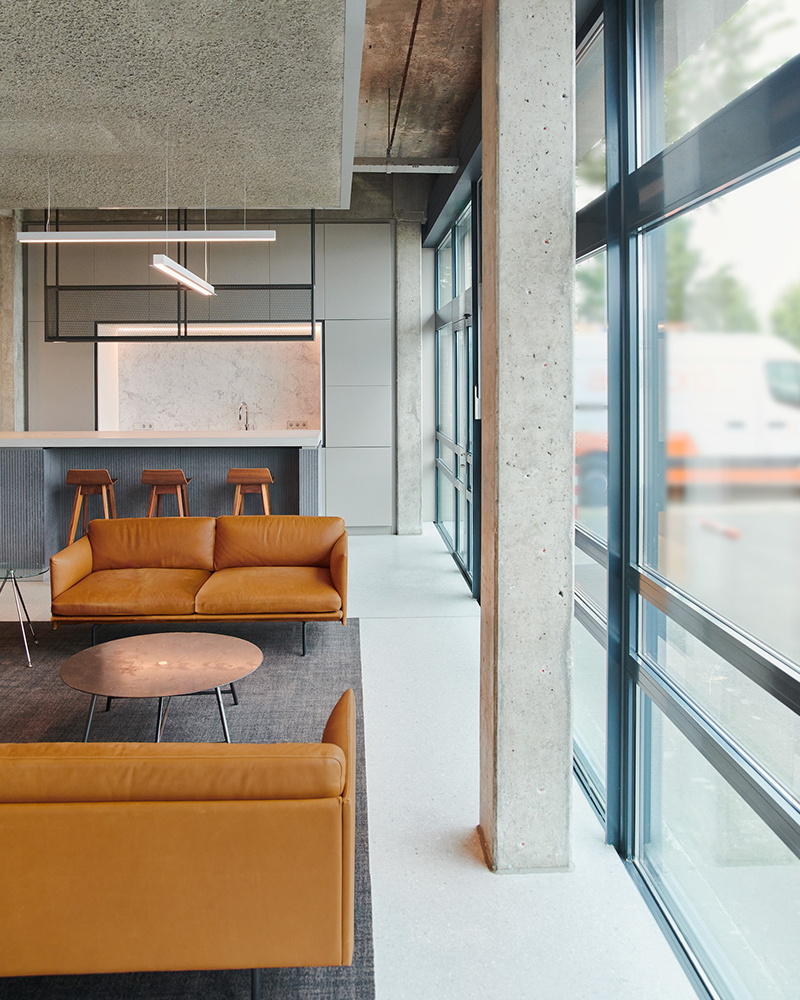
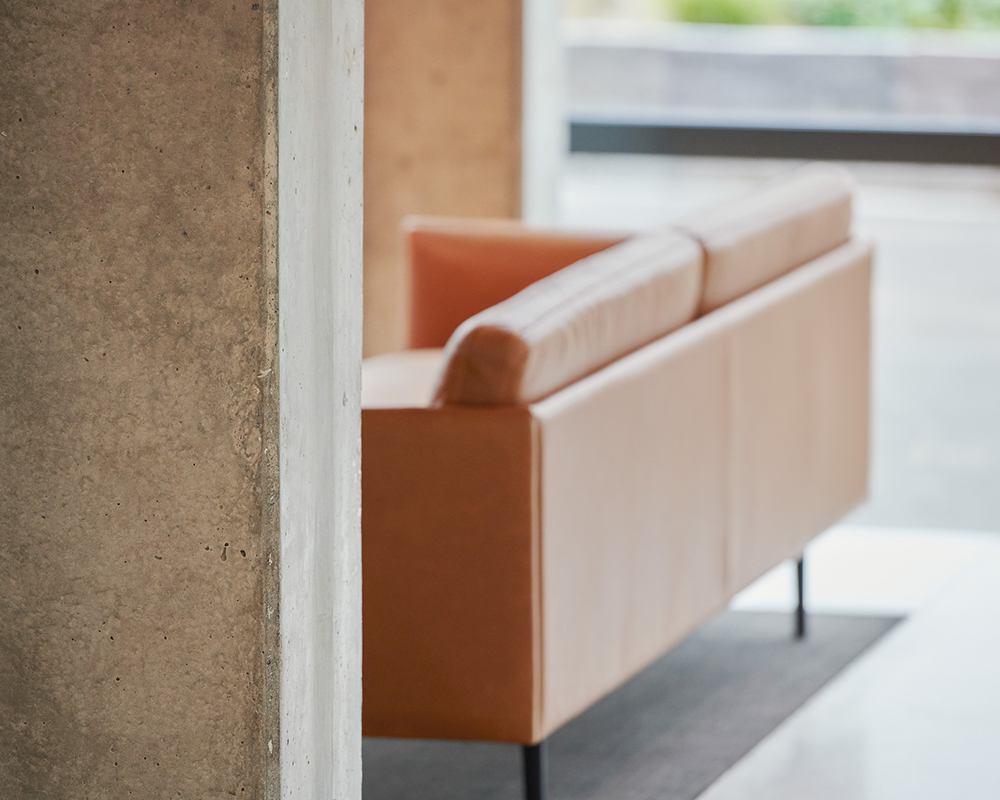
Studio PROTOTYPE has based the plan with a great respect towards the building’s original ideas. New and careful interventions reinfore the existing core values of the building. The raw character of the concrete supporting structure is left exposed and combined with new timeless materials, such as terrazzo and Cararra marble.  


The raw character of the concrete supporting structure is left exposed


More projects


Continue reading

Orthopraktijk Wijchen

Orthopraktijk Wijchen

Private Client

Studio PROTOTYPE has designed a new orthodontic clinic as part of the urban development plan by Kuiper Compagnons. Ortho Wijchen functions both spatially and programmatically as a ‘cornerstone’ of the neighborhood. Within this part of the district, various functions come together, forming a shared cluster for the new development. The distinctive sculptural form, combined with the positioning and diagonal lines of the design, creates an open and accessible character.

  • project

    Orthopraktijk Wijchen

  • location

    Wijchen

  • client

    Private client

  • function

    orthodontic clinic

  • size

    400 m2

  • year

    2016

  • status

    built

  • project architects

    Jeroen Steenvoorden in collaboration with Jeroen Spee

  • project team

    Steven Otten, Gijs van Suijlichem, Jan van de Schaaf, Jan Paules Hoogenterp,
    Fabiana Tierni Imamura, Ruben Figueiredo, Pieter Mulder, Titus Lammertse

  • photos

    Jeroen Musch


Cornerstone of a New Neighborhood


The sculptural design provides a spacious and clear interior with multiple views toward the neighborhood and surrounding landscape. This openness prevents the confined feeling that patients often experience in standard dental practices. The treatment area connects directly to the outdoors, with a large panoramic window facing the orthodontic garden. In the main layout, volumes are strategically positioned to create a sense of freedom and continuity, keeping patient care at the core. Functional and technical spaces such as the X-ray room, sterilization area, and model workshop are organized within these volumes.


The Role of Light in Creating Calm


A carefully coordinated palette of colors and sustainable materials creates a serene atmosphere for patients. The light grey brickwork is combined with functional white tones of the fixed furniture. The skylight forms the backbone of the building, and the interplay of light through it ensures that daylight penetrates deep into the interior.


More projects


Continue reading