Tag: Interior

Justice Office

Justice Office

Rijksvastgoedbedrijf
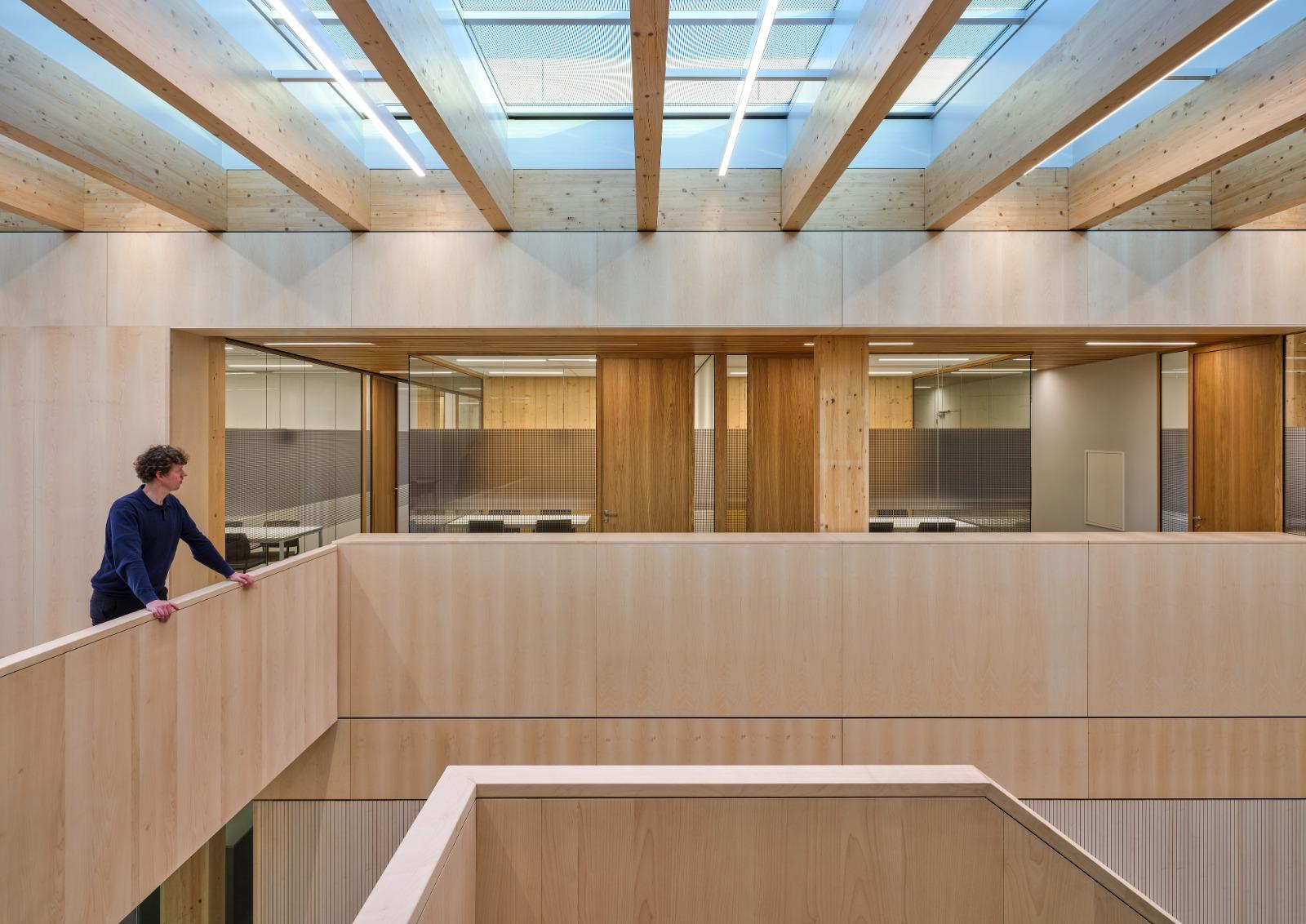
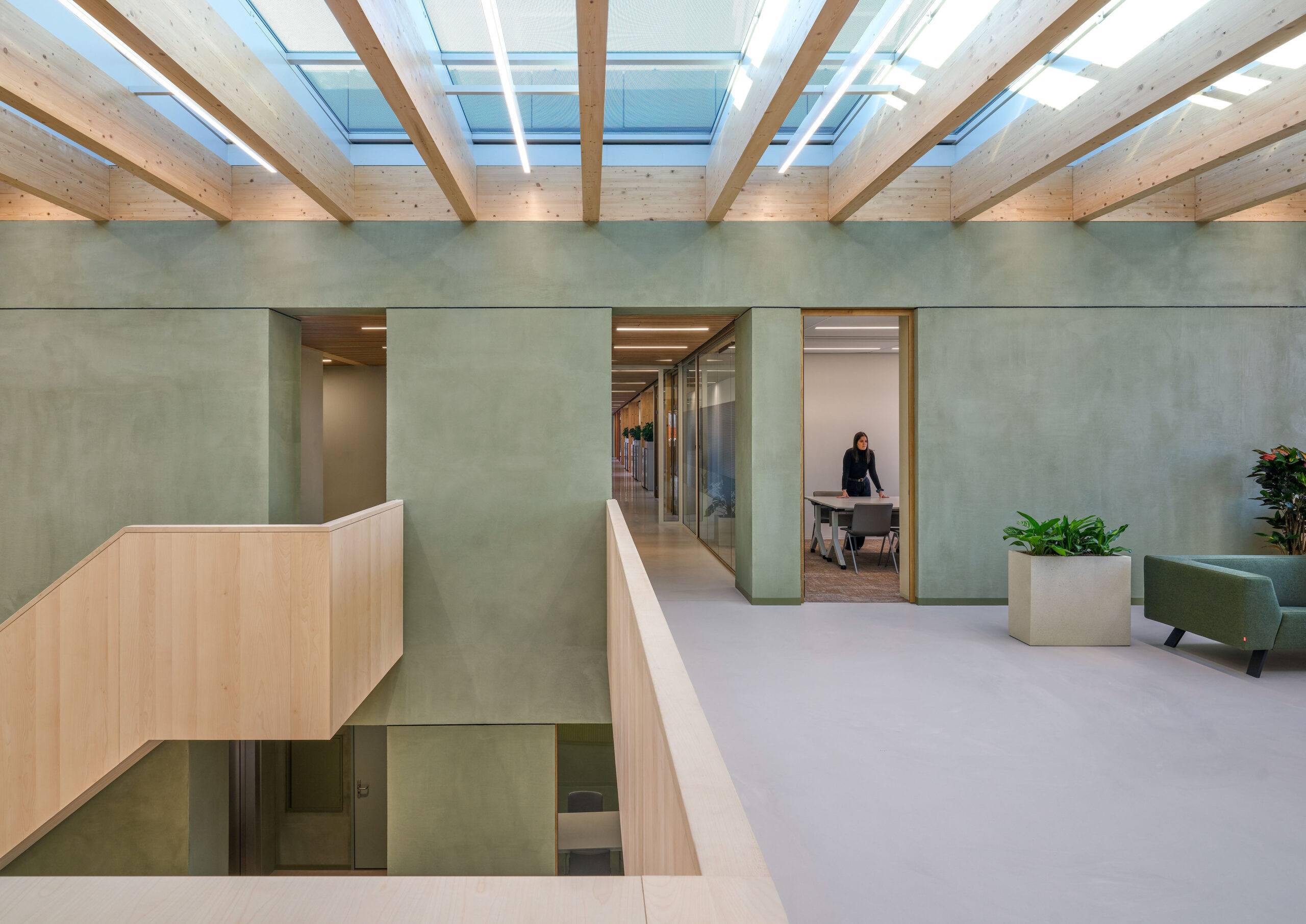
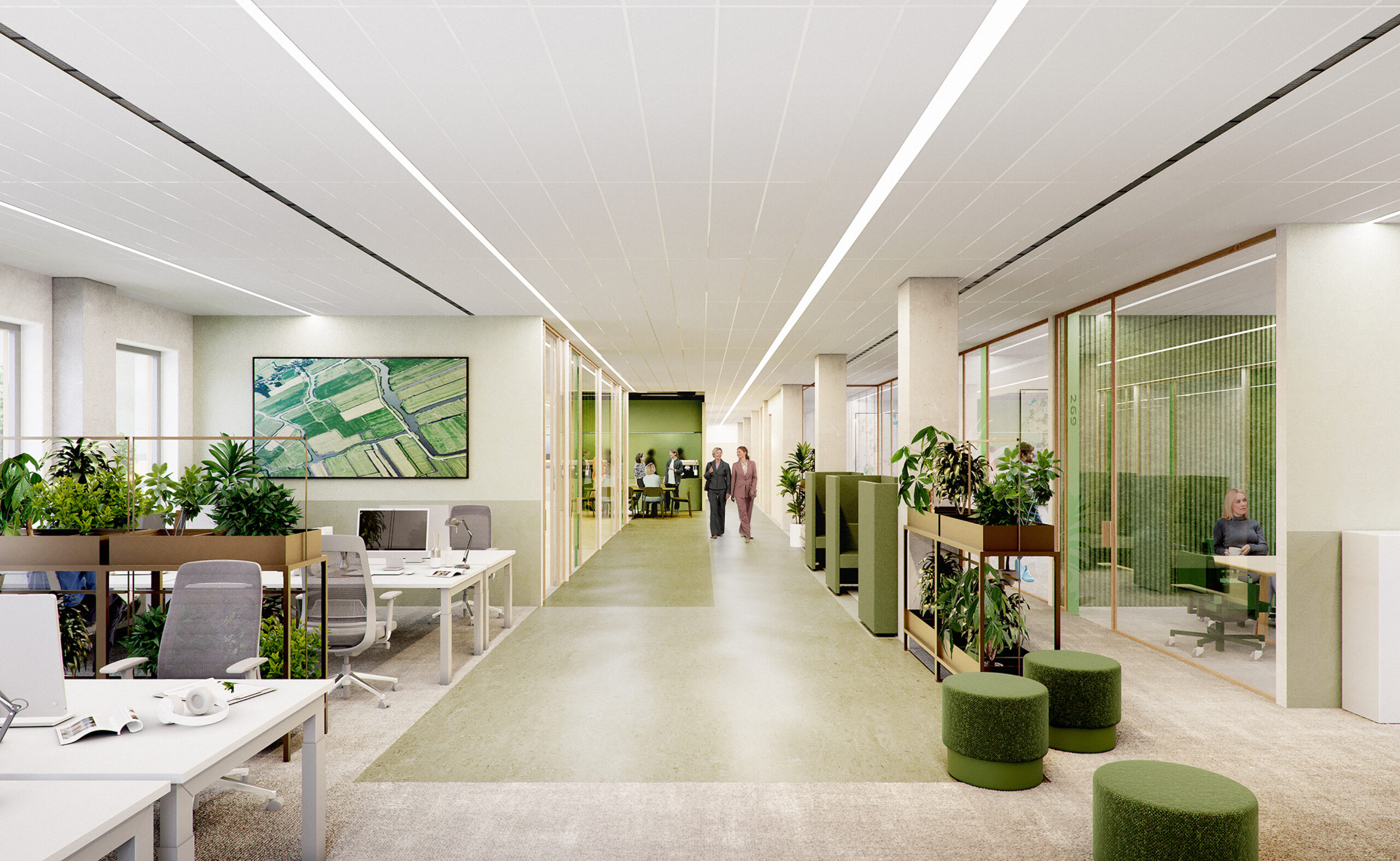
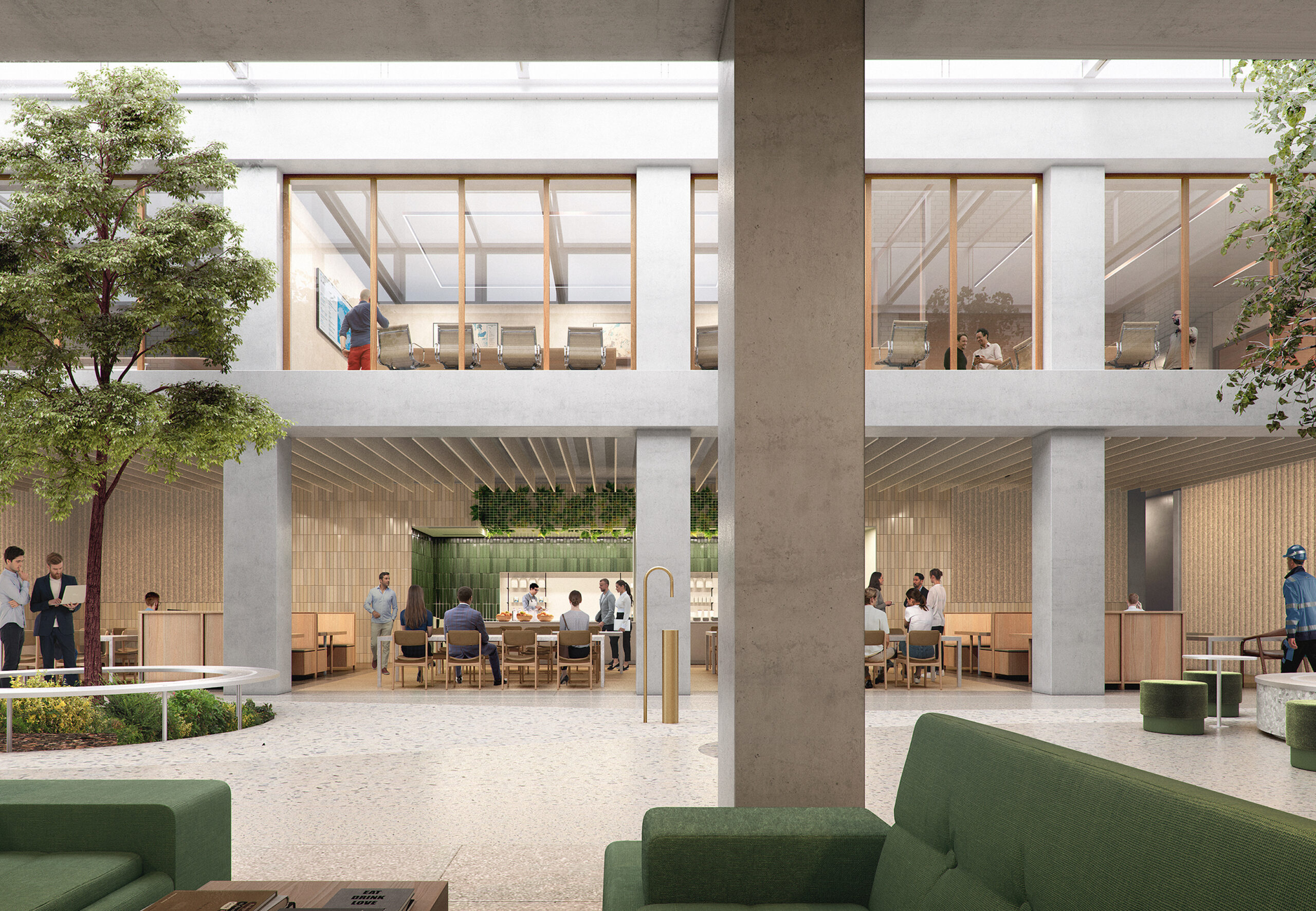
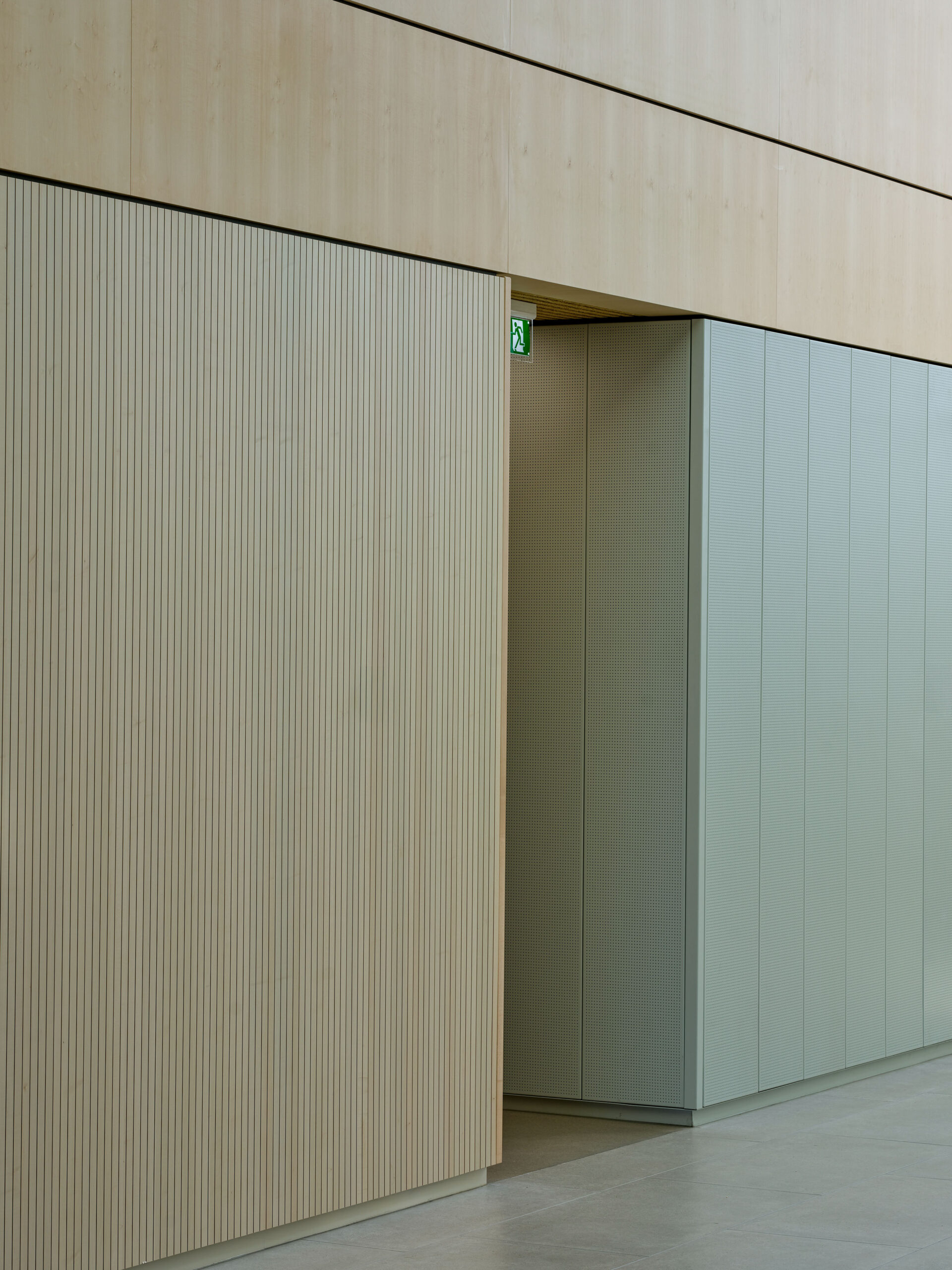
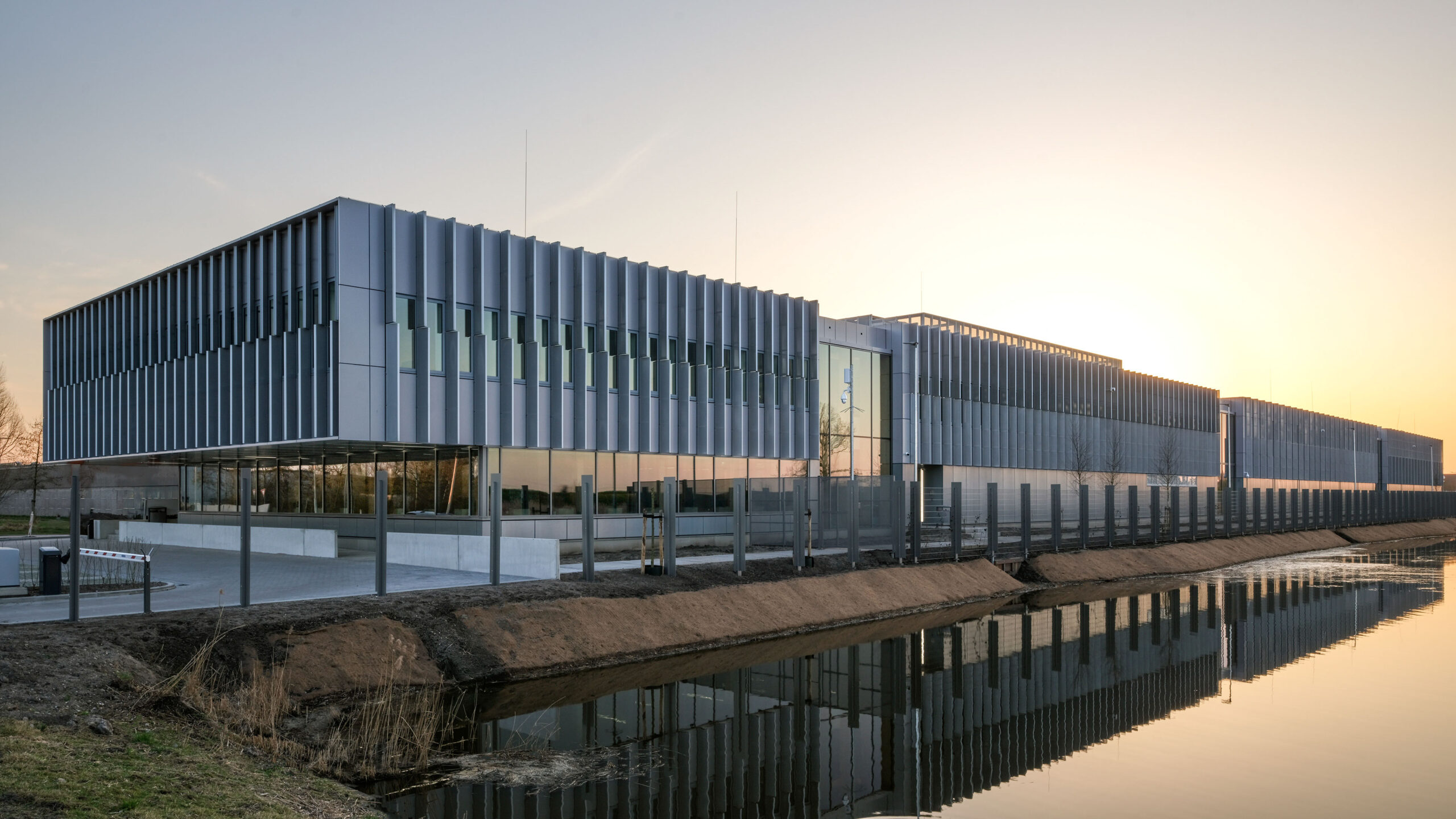
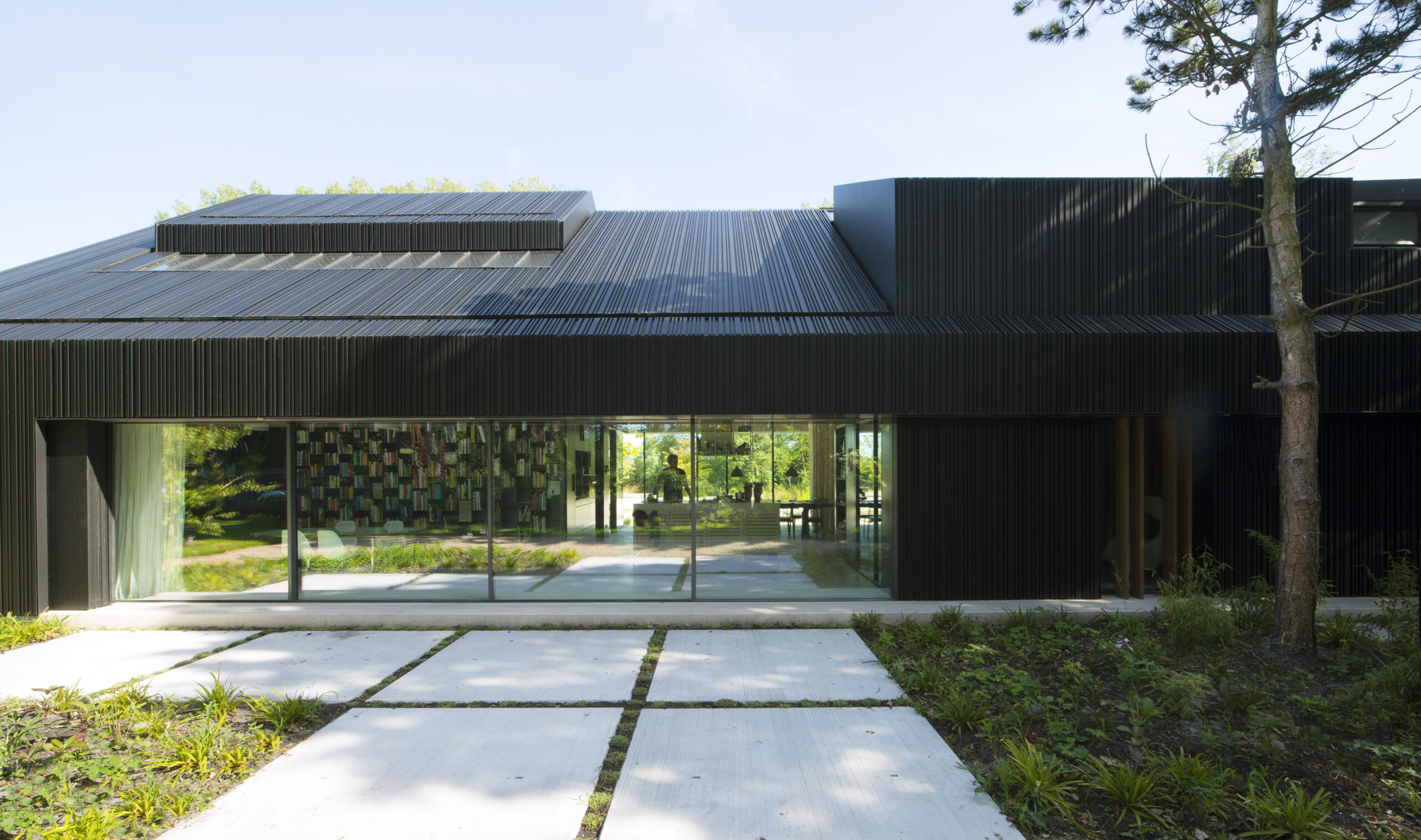
Commissioned by the Dutch Central Government Real Estate Agency (Rijksvastgoedbedrijf), the new building for the Ministry of Justice in Zaanstad has been completed. This unique complex of approximately 7,650 m², designed by Studio PROTOTYPE and built by BINX Smartility West, marks a milestone in sustainable construction. It is largely composed of a timber CLT (cross-laminated timber) load-bearing structure — the largest CLT structure the Central Government Real Estate Agency has realized to date. The result is a functional and sustainable facility, including office, meeting, and training spaces.

  • project

    Justice Office

  • location

    Zaandam

  • client

    Rijksvastgoedbedrijf

  • function

    offices, training and parking

  • size

    7.500 m²

  • year

    2025

  • status

    built

  • collaboration

    BINX Smartility, ArchiTech Company, Dijk&co icm Donker Design

  • design

    studio PROTOTYPE

  • art

    Studio LA

  • project architects

    Jeroen Steenvoorden in collaboration with Jeroen Spee, Diederik Hermens

  • project team

    Peter Rugebregt, Alicja Bedkowska, Rodolfo Siccardi, Nicolò Franchetto, Ana Vallés Gonzáles de Quevedo, Wiktoria Matysiak

  • photos

    Jeroen Musch

  • awards

    Nominated for ARC25

  • Nominated for Architectenweb Office Building of the Year 2025

  • Winner of the Archello Office Building of the Year 2025 in the Public Vote category

  • Nominated for Houtbouw Prize 2025


Connecting light atriums


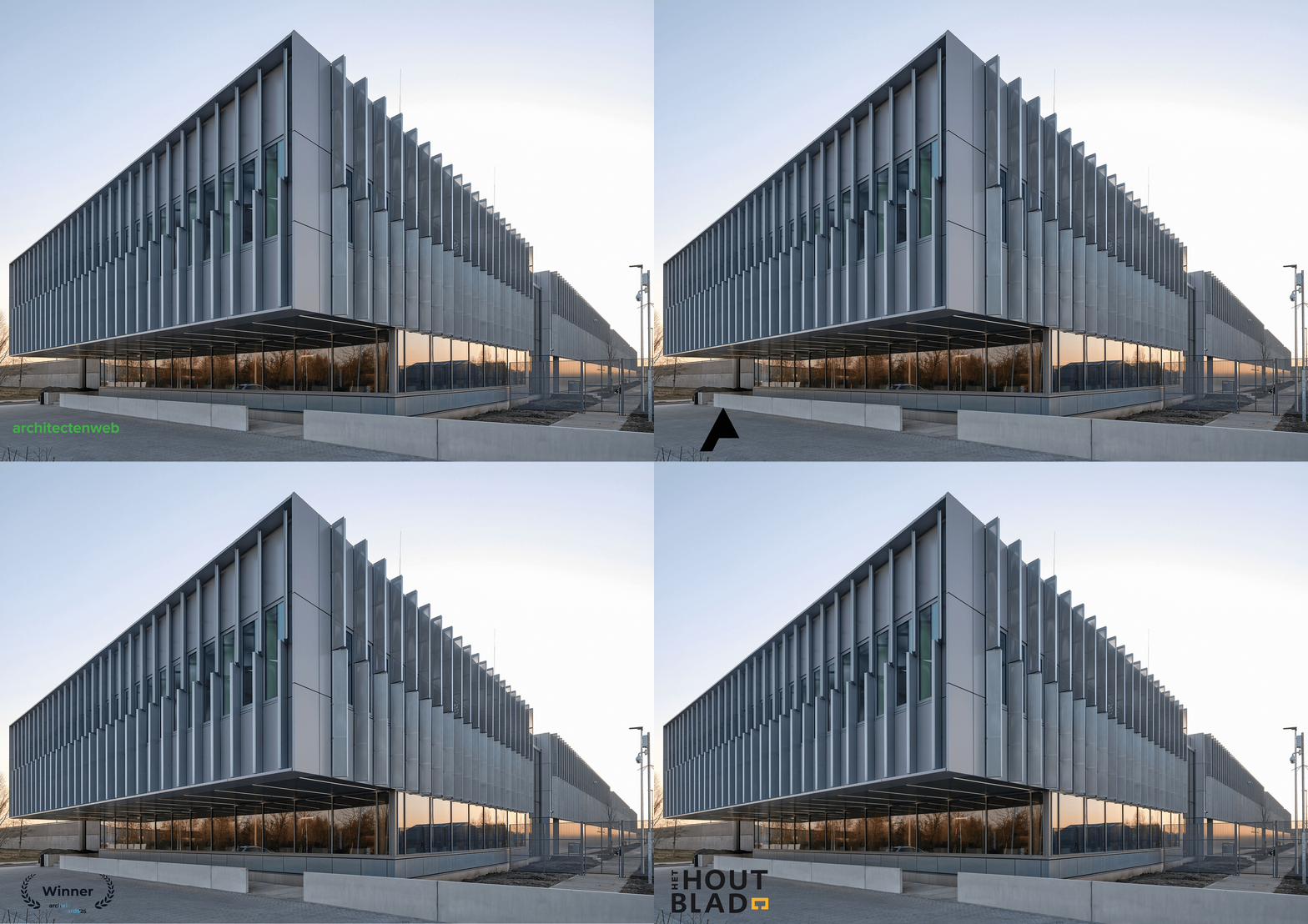
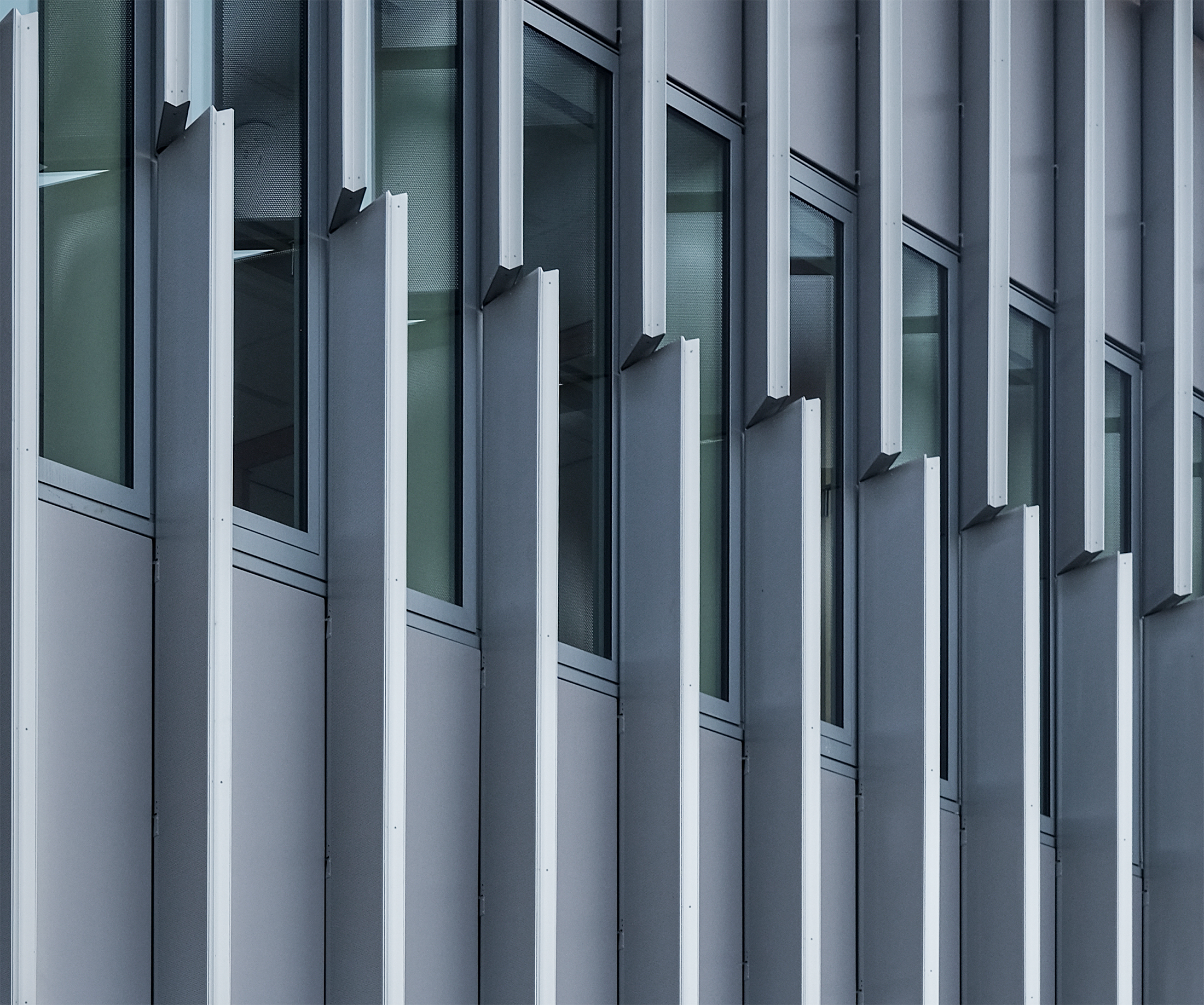
For our client, being able to quantify the benefits of the design was essential. Together with the integrated project team, we identified parameters that were optimized within a parametric model. The façade, equipped with parametrically designed louvers, strikes a balance between daylight, energy consumption, and privacy. The result is an adaptive louver structure on the façade, positioned to limit visibility into the building while maximizing views outward and optimizing the balance between solar gain and daylight access. Additionally, the louvers contribute to an energy-efficient building with ample natural light and limited visibility from the outside. As a result, the building is Paris-proof (aligned with the Paris Agreement) and energy-generating.
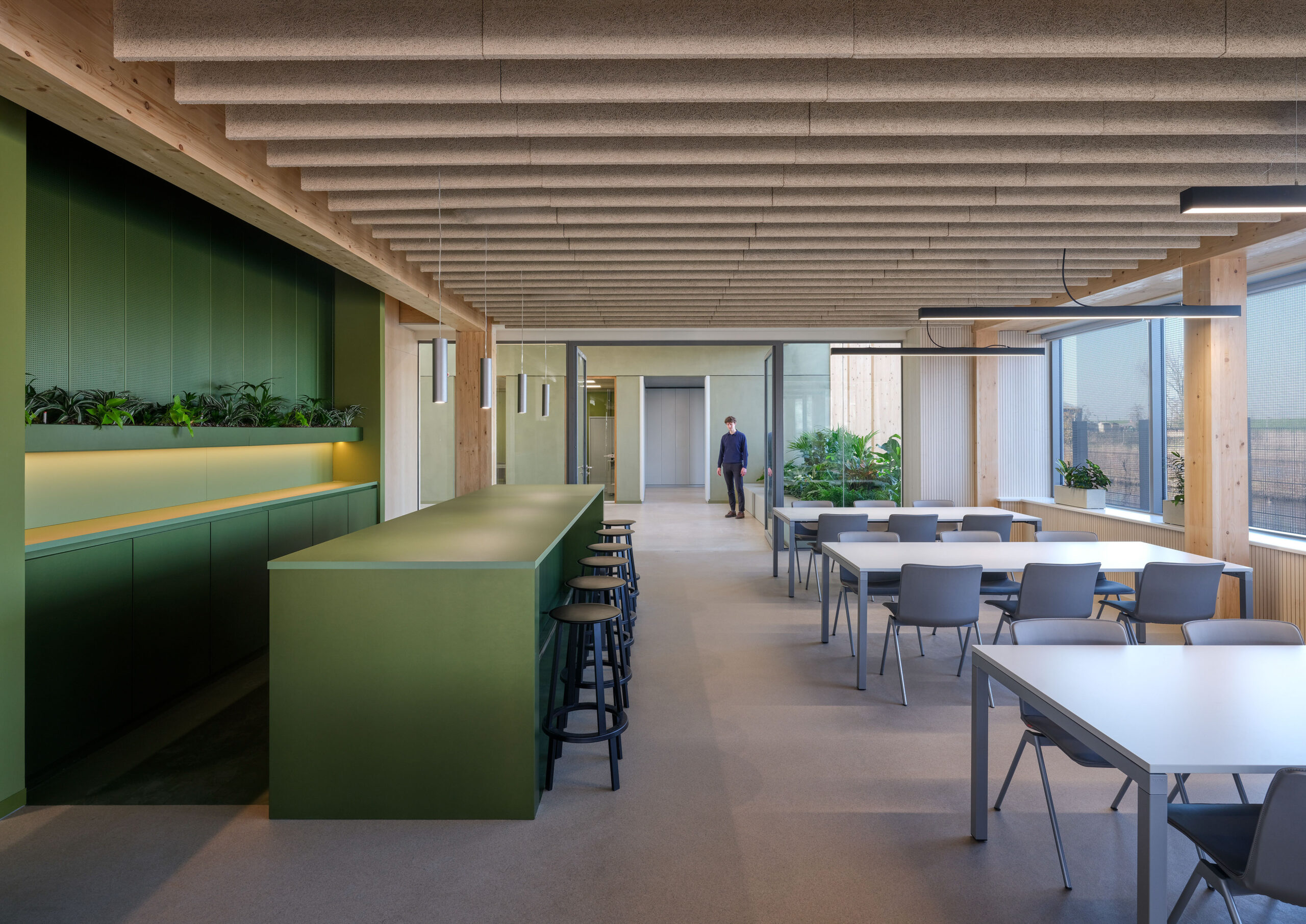
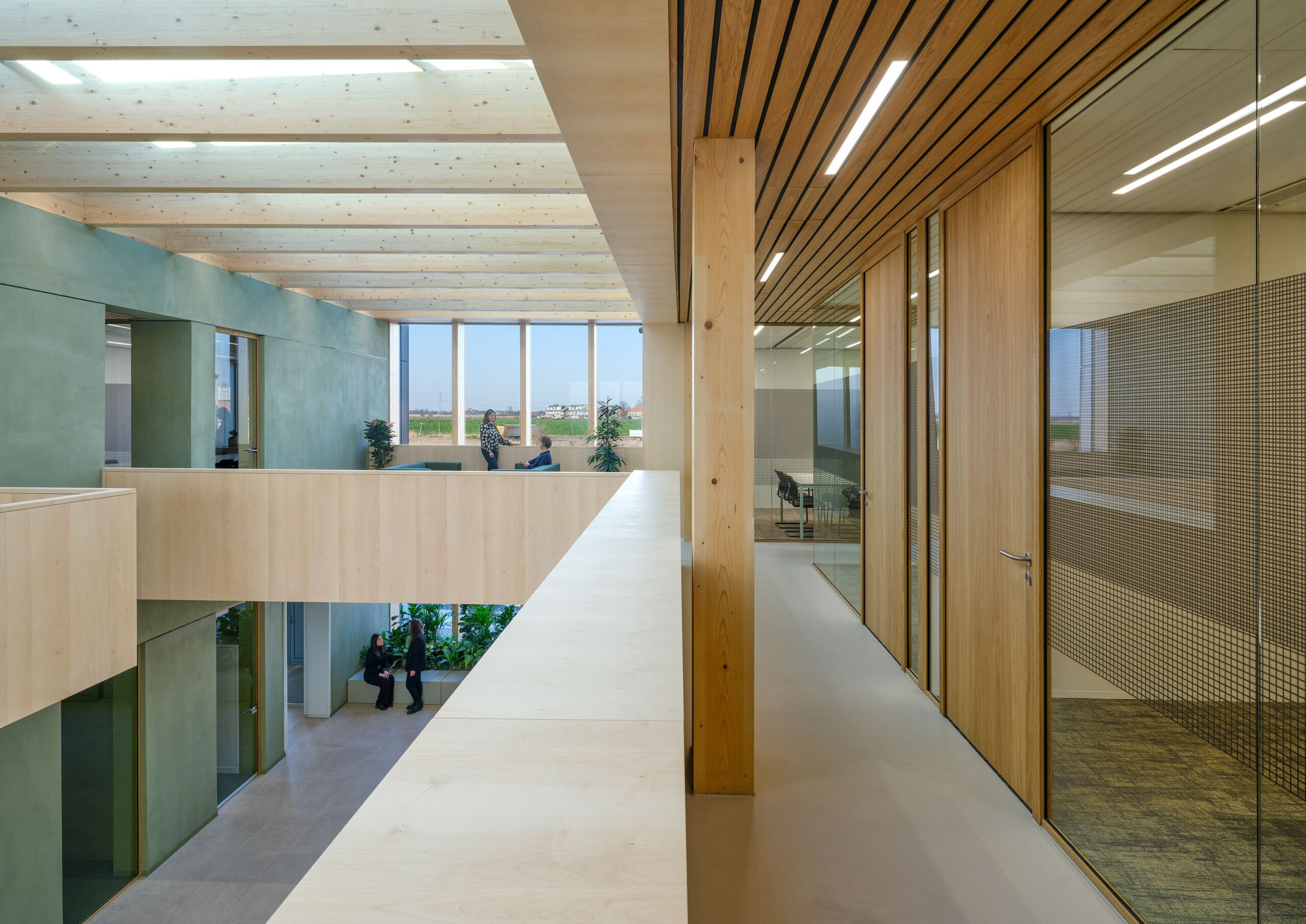
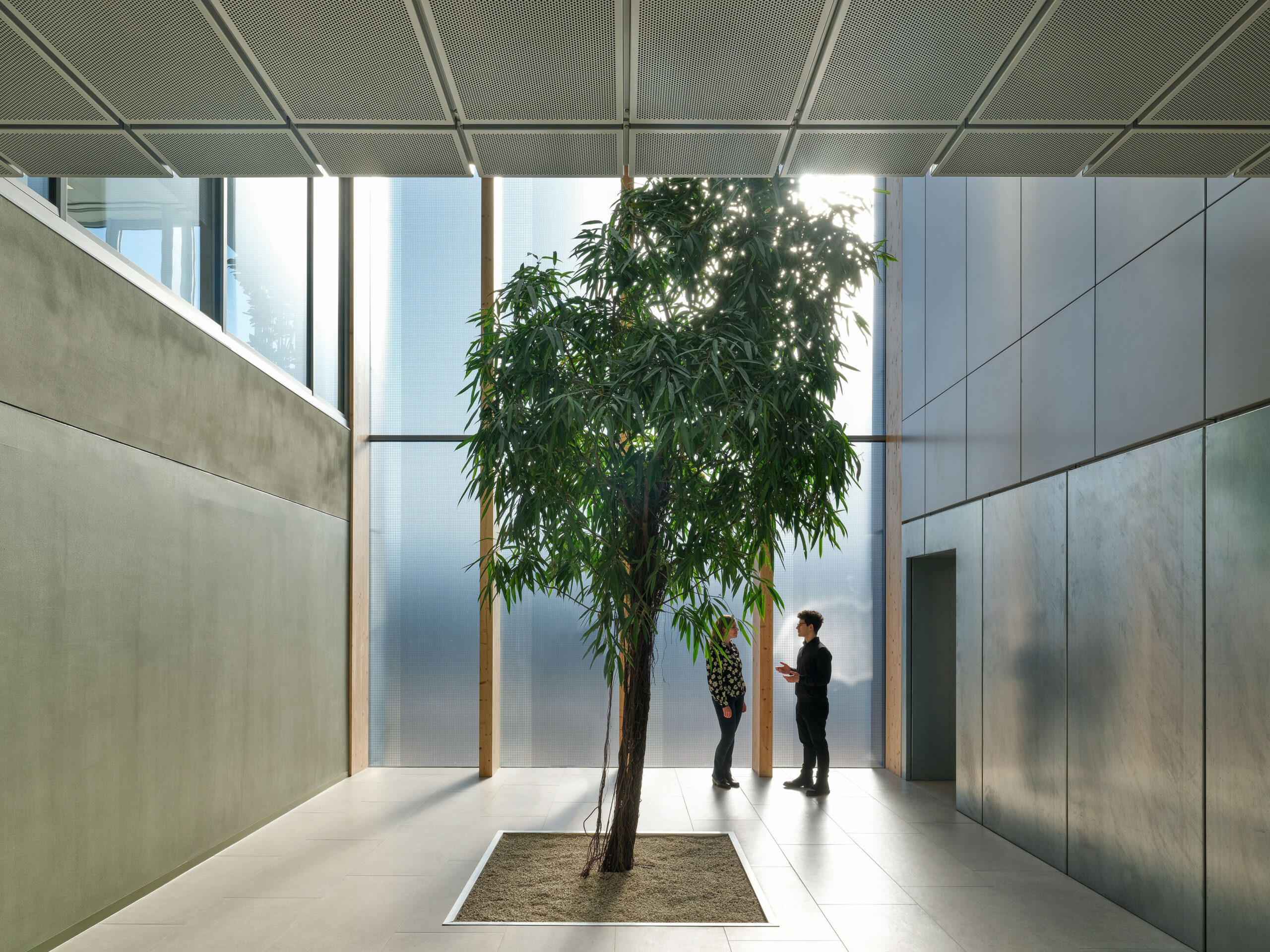
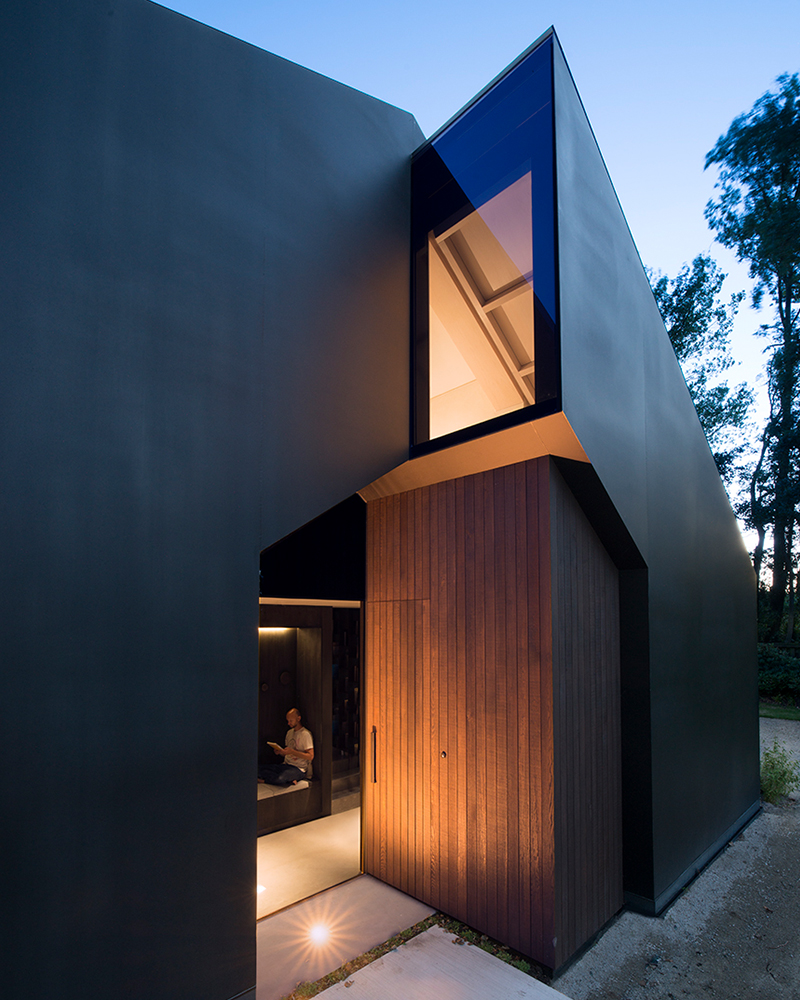
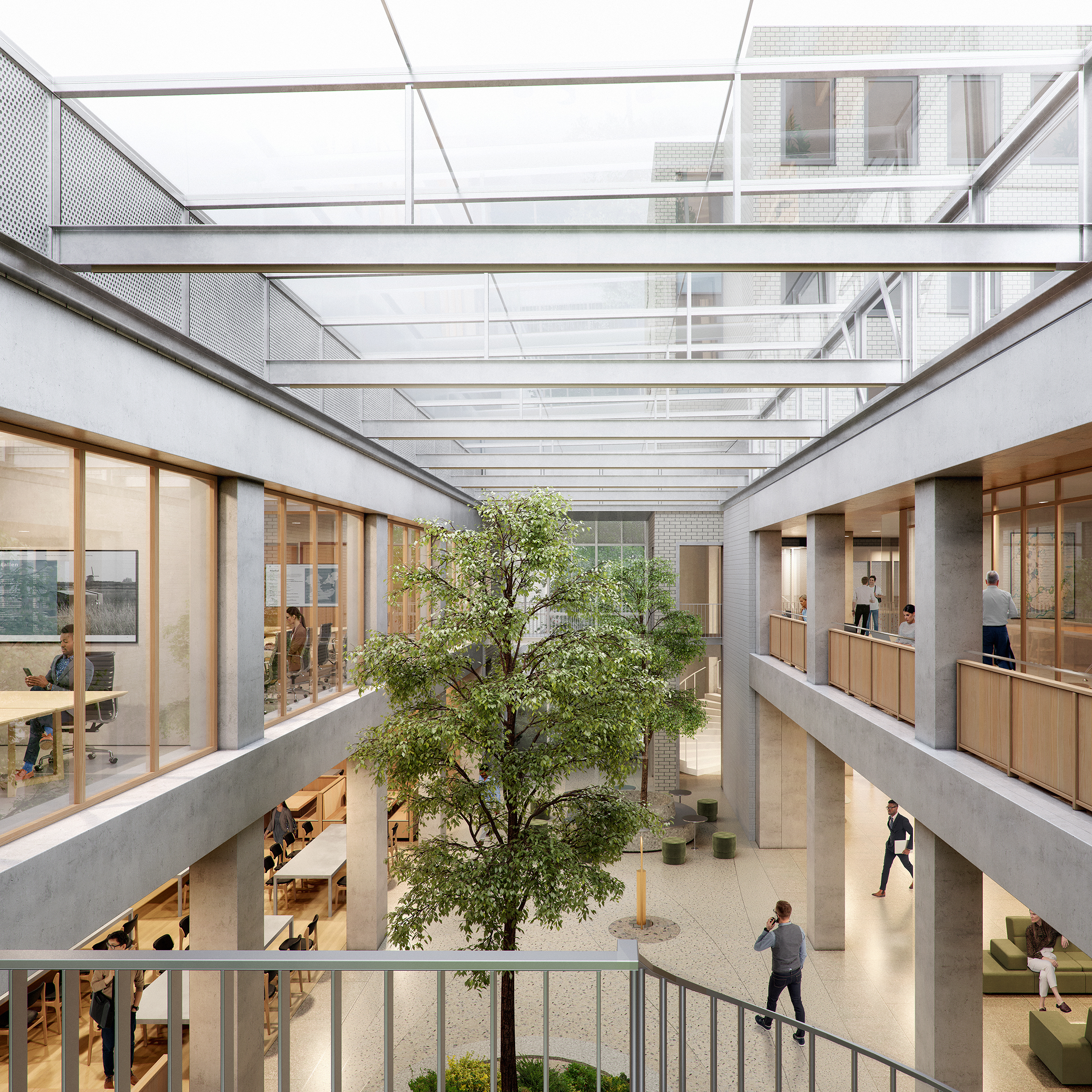
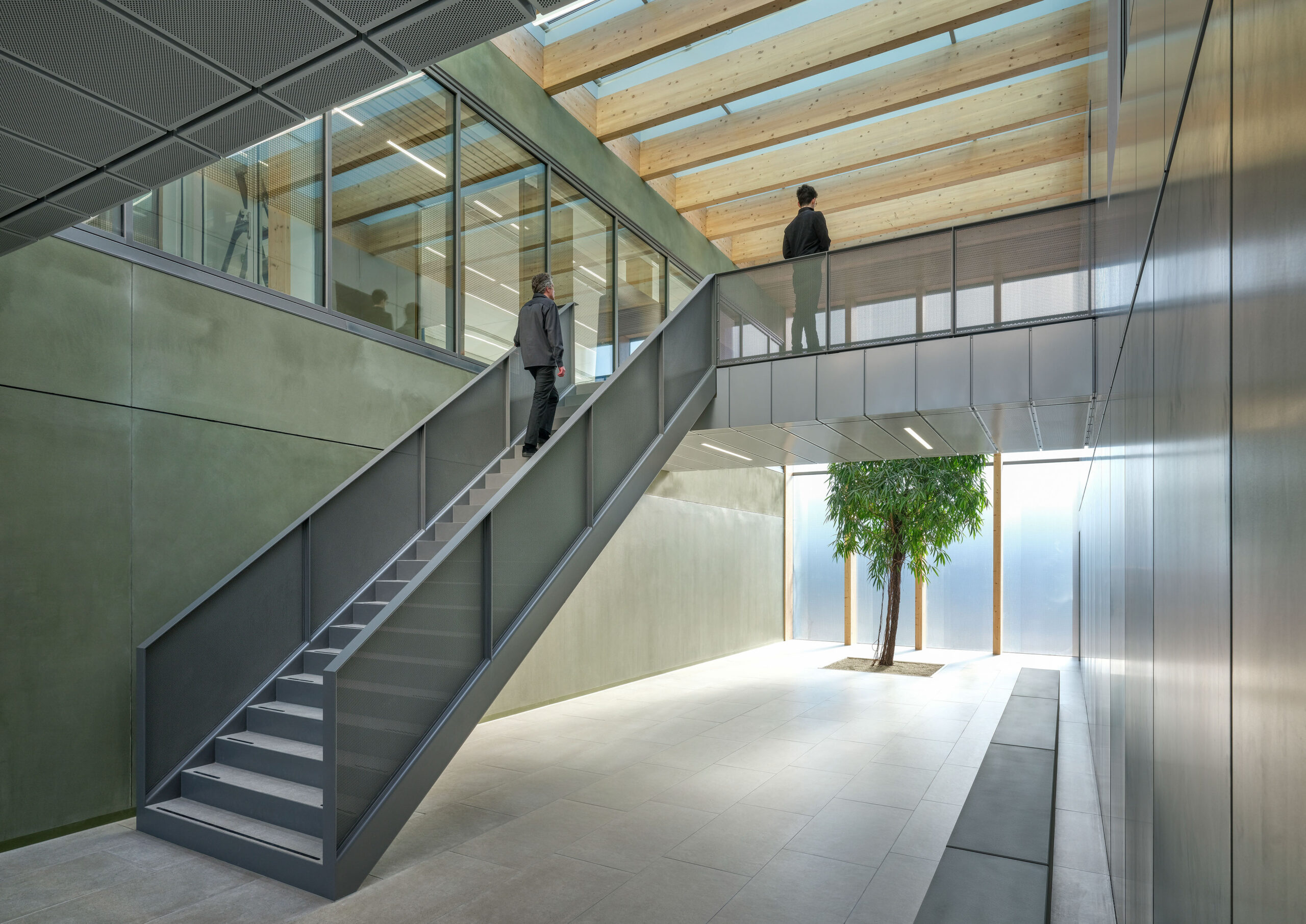
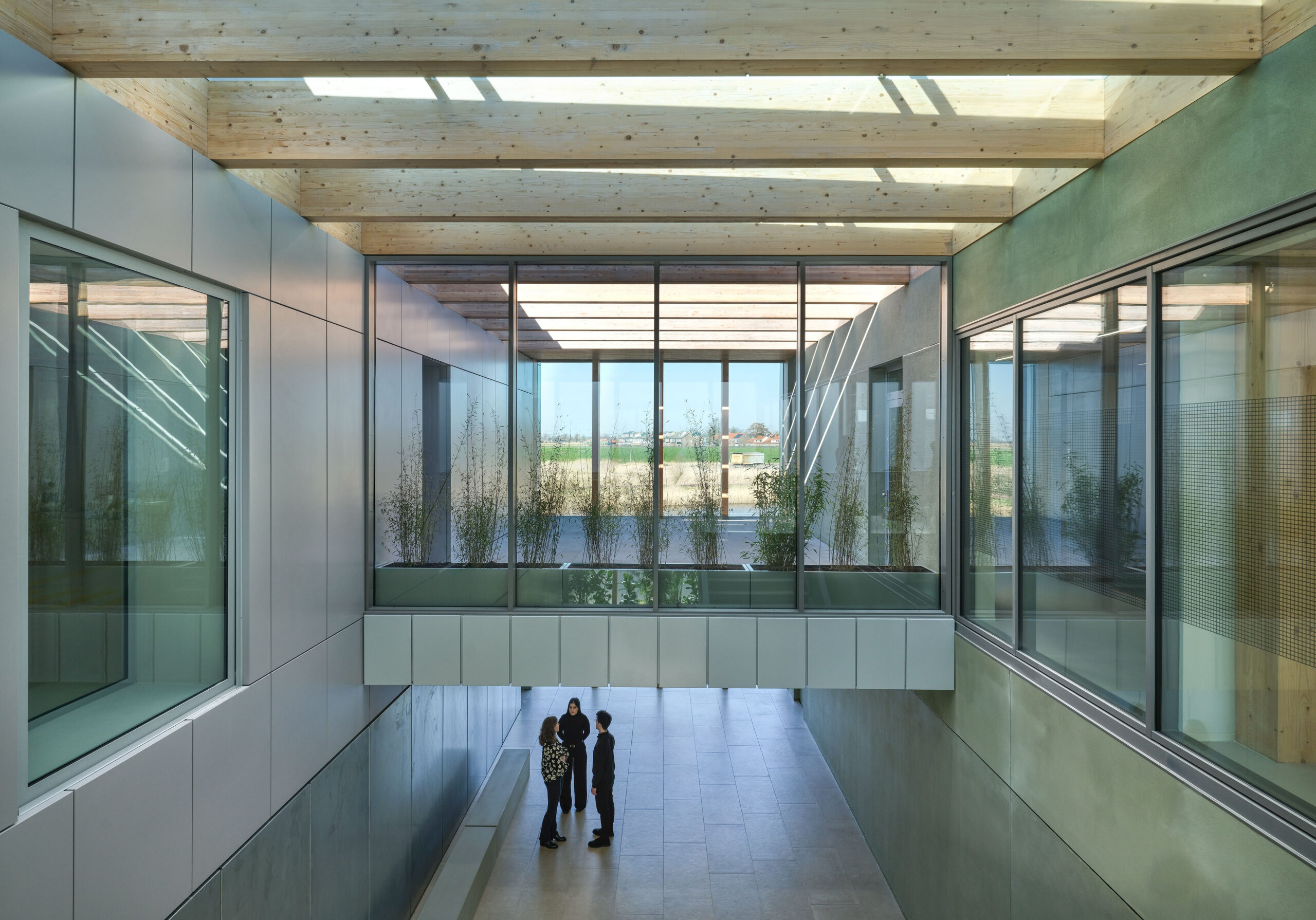
In this building, safety and openness are in balance. A seemingly closed bastion opens up to its surroundings through the three green light courts. The structure of these courtyards and the layered louvered façade — behind which the offices are located — creates a protected and green working environment that fosters well-being and a connection with nature.
The design aligns perfectly with the peat polder landscape of Westzaan, with many open spaces, green courtyards, and a nature-inclusive layout that considers local flora, fauna, and climate change. The silver-gray façade material reflects the tones of the green riverbank, softening the boundary between the building and nature.
Three atriums


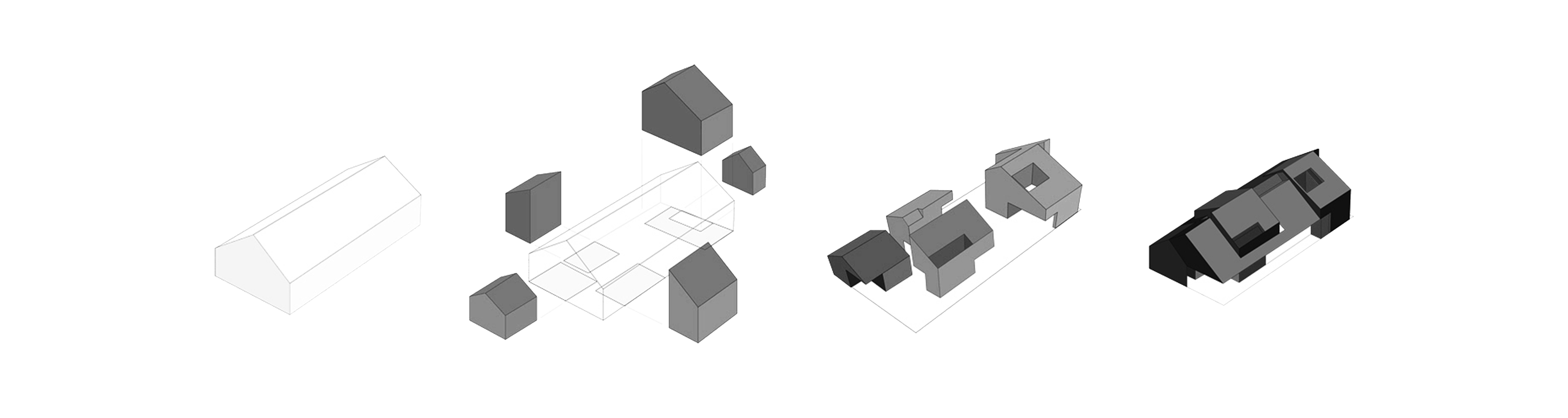
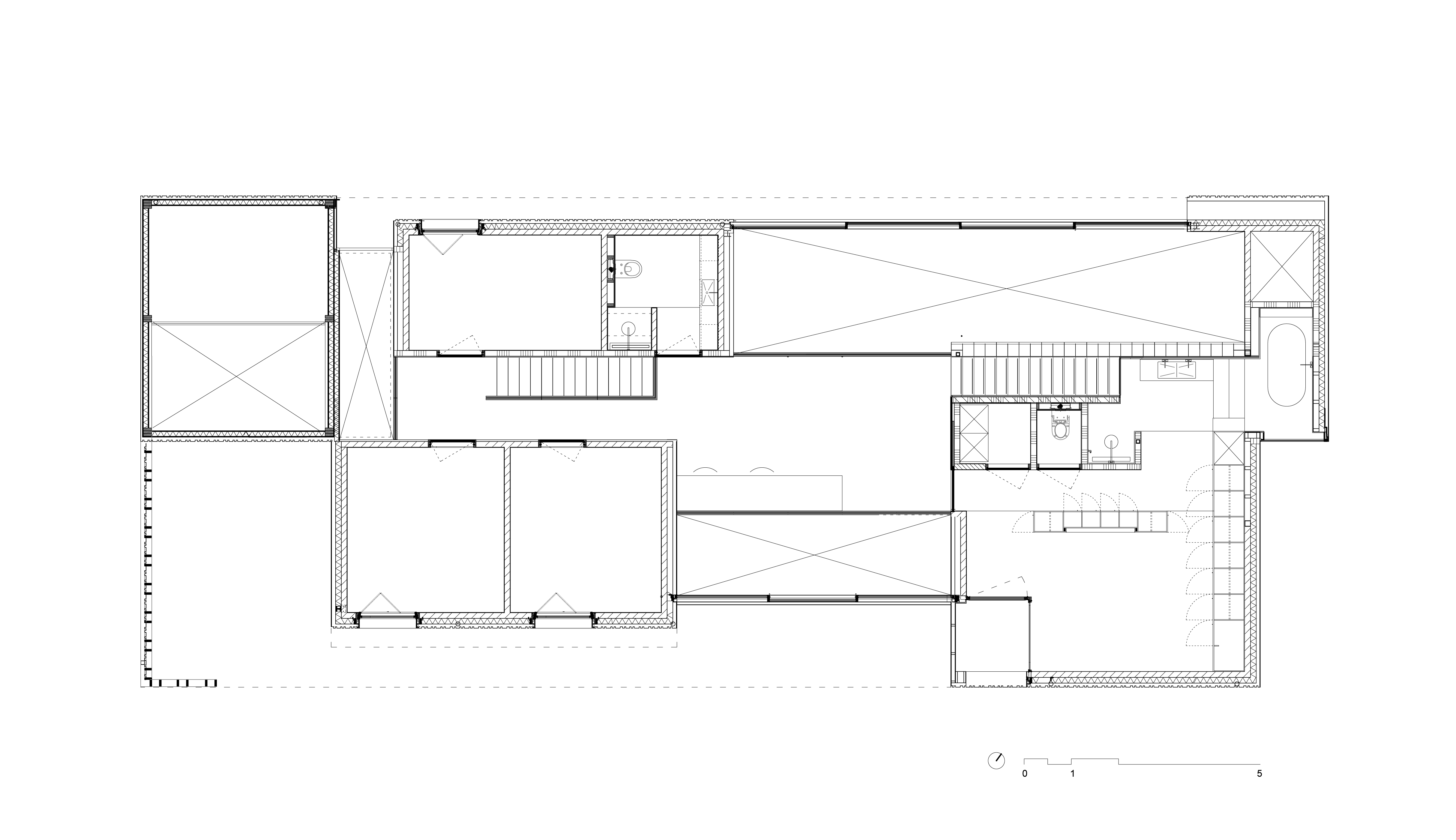
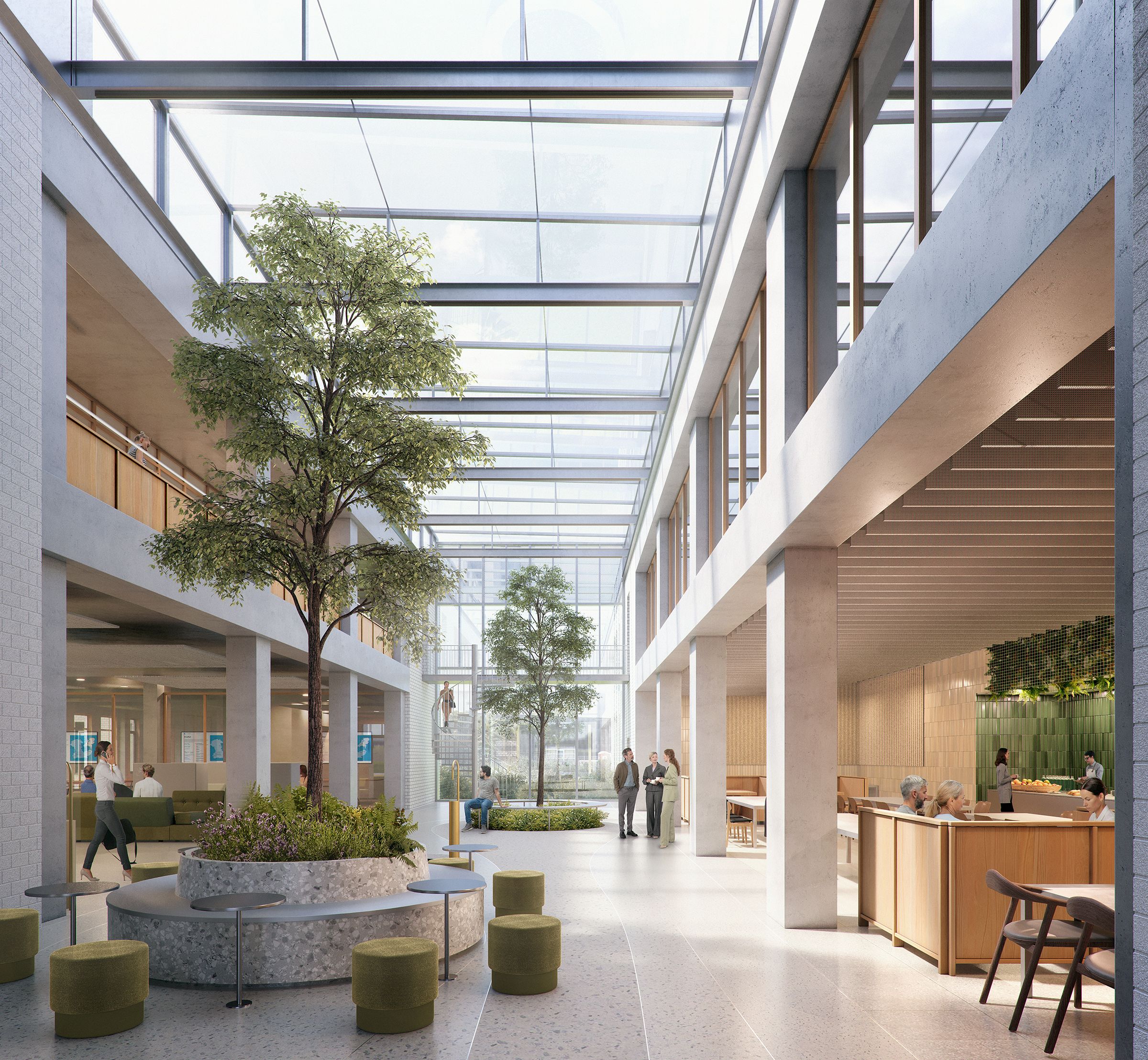
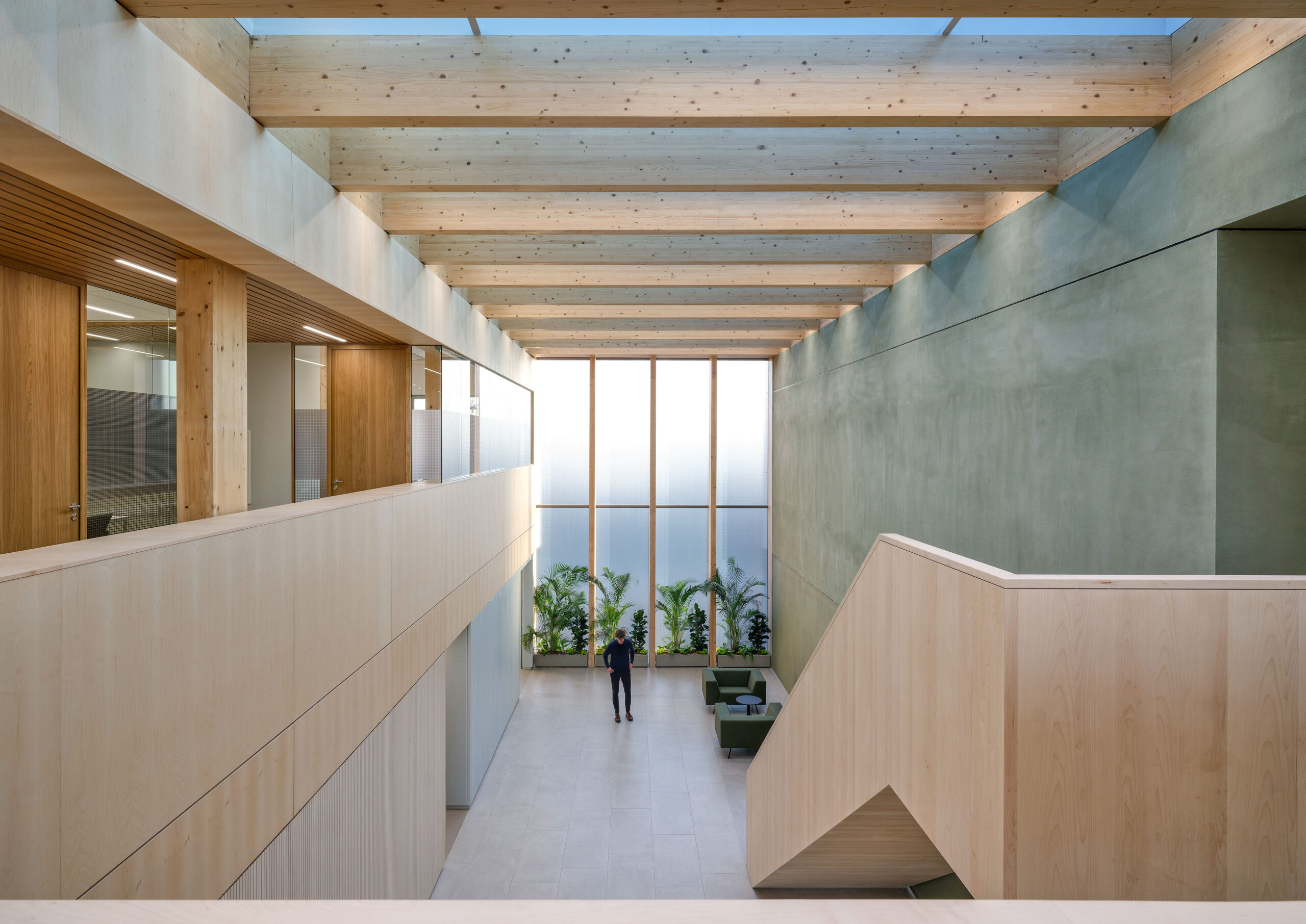
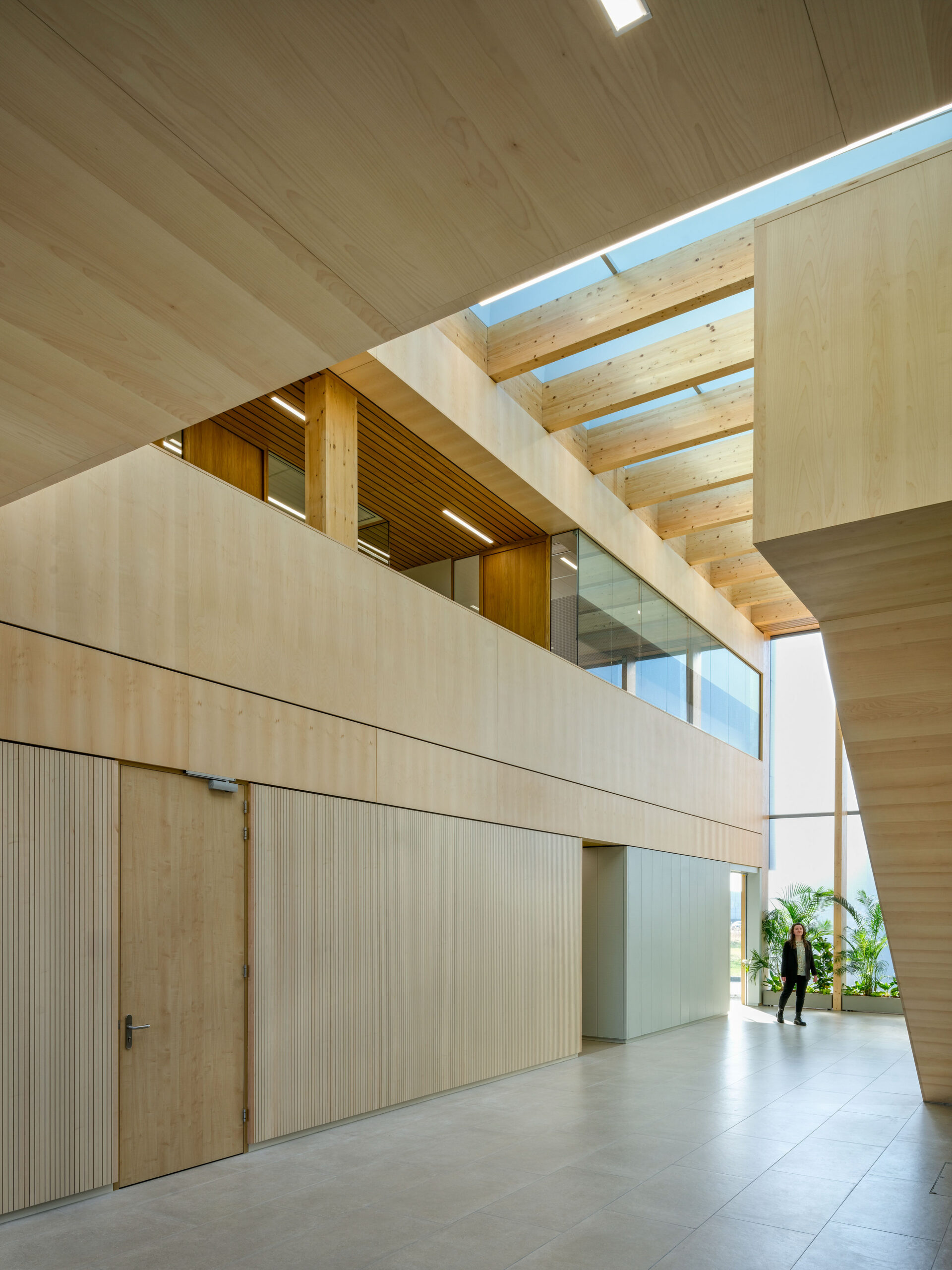
The design is deeply rooted in the surrounding peat polder landscape of Westzaan. The clear building structure is organized around three light courts, which ensure optimal daylight access and a healthy working environment. At the same time, they strengthen the relationship between the building and the surrounding natural area. The nature-inclusive design contributes to biodiversity and climate adaptation.

Studio LA created a site-specific artwork for this government office. The work consists of a wall installation and a book on a pedestal, bringing together stories from employees of the Ministry of Justice. It visualizes a network of colleagues, departments, events, and trust. The artwork invites people to read each other’s stories, gain a deeper understanding of one another, and offers new employees or visitors a unique way to become acquainted with the organization.

The largest timber structure ever commissioned by the govermental building agency


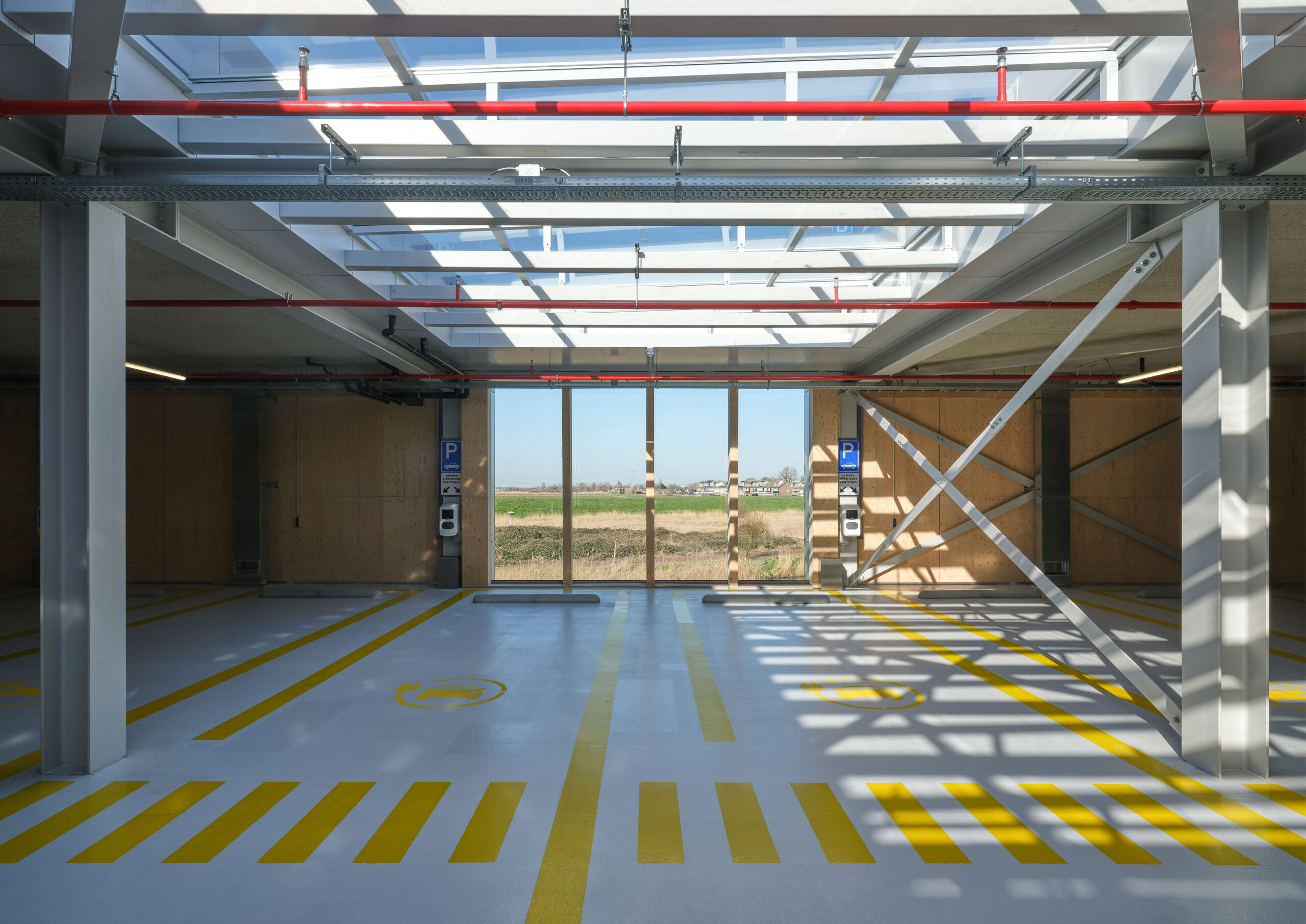
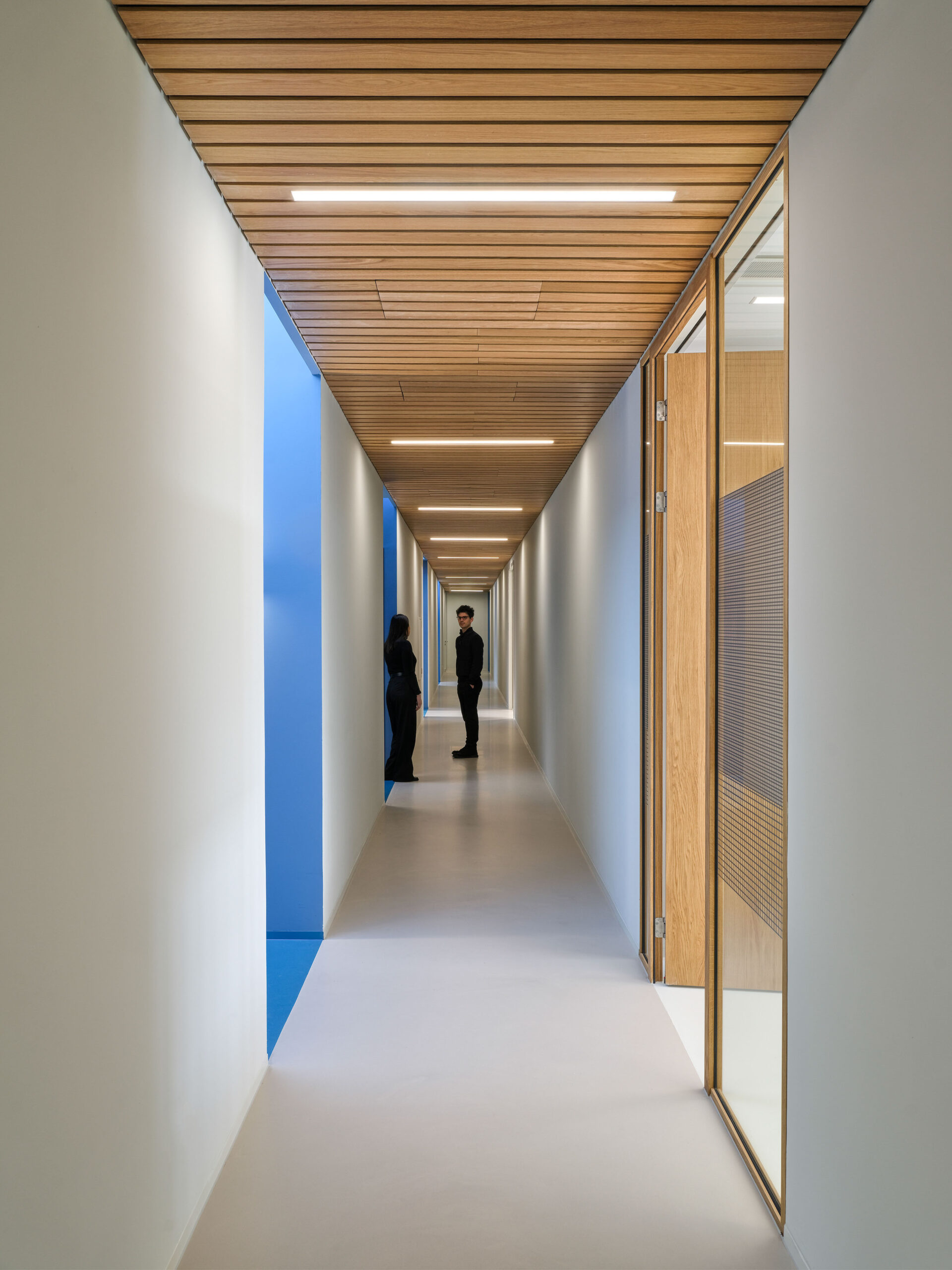
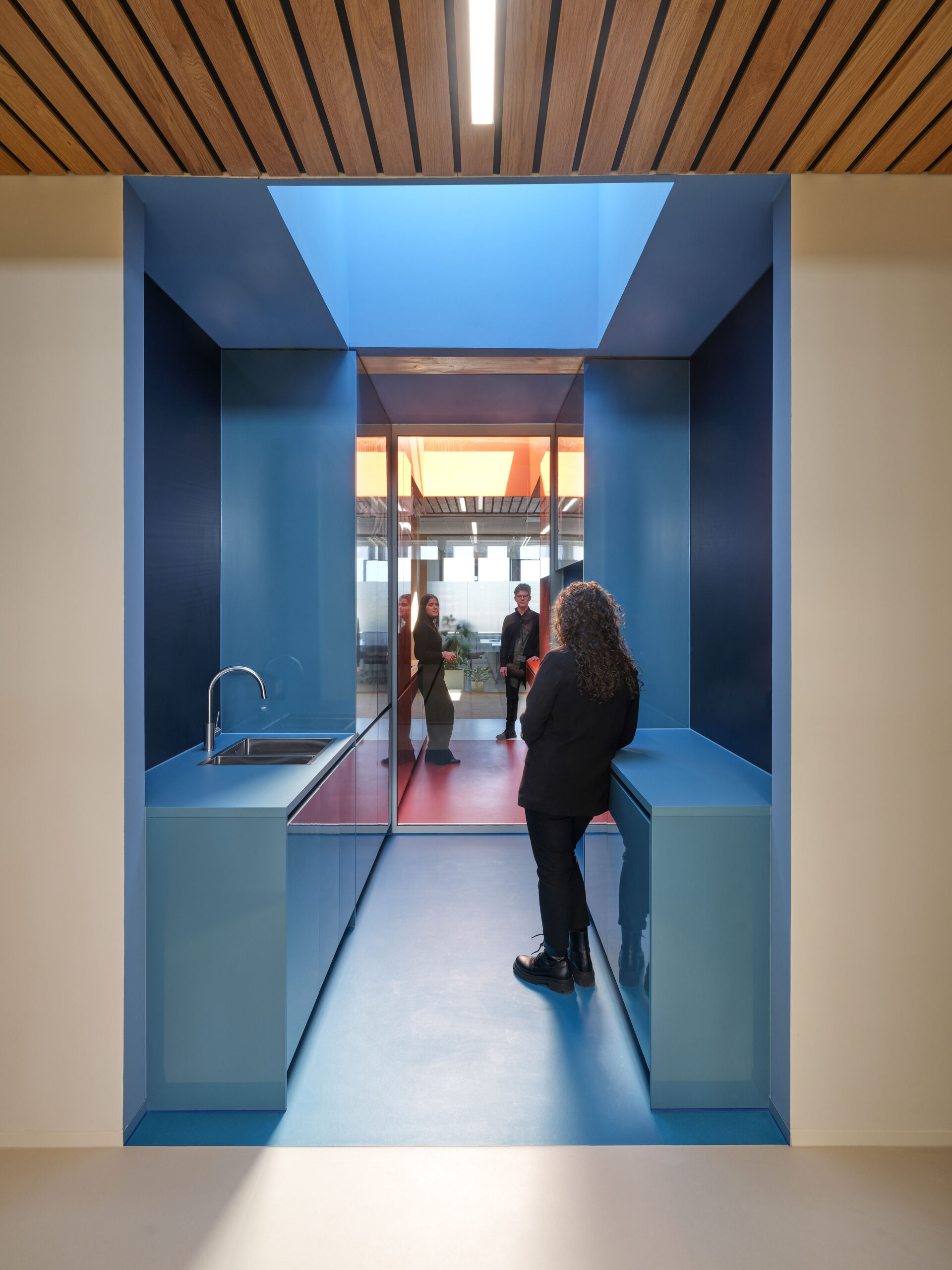
The office and training section is entirely biobased: walls, floors, and columns are constructed from CLT, timber frame (HSB), and laminated timber. The vehicle storage and warehouse areas are built with a demountable steel structure and concrete floors, designed for heavy vehicles and large spans. The building is fully demountable and flexible, allowing new clusters to be added and office functions to further develop within the structure of the storage area.
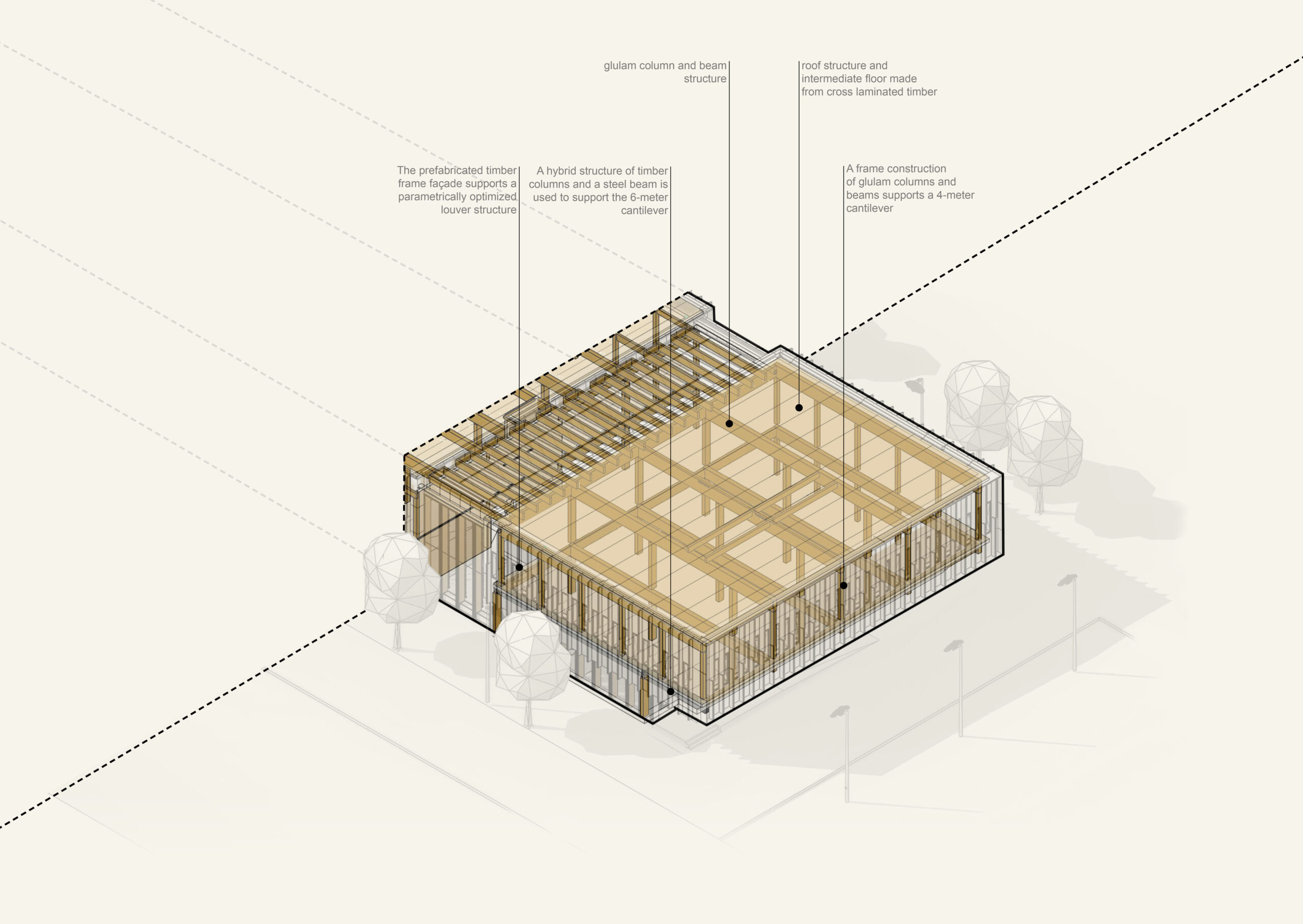
The largest CLT structure the Central Government Real Estate Agency has realized to date.
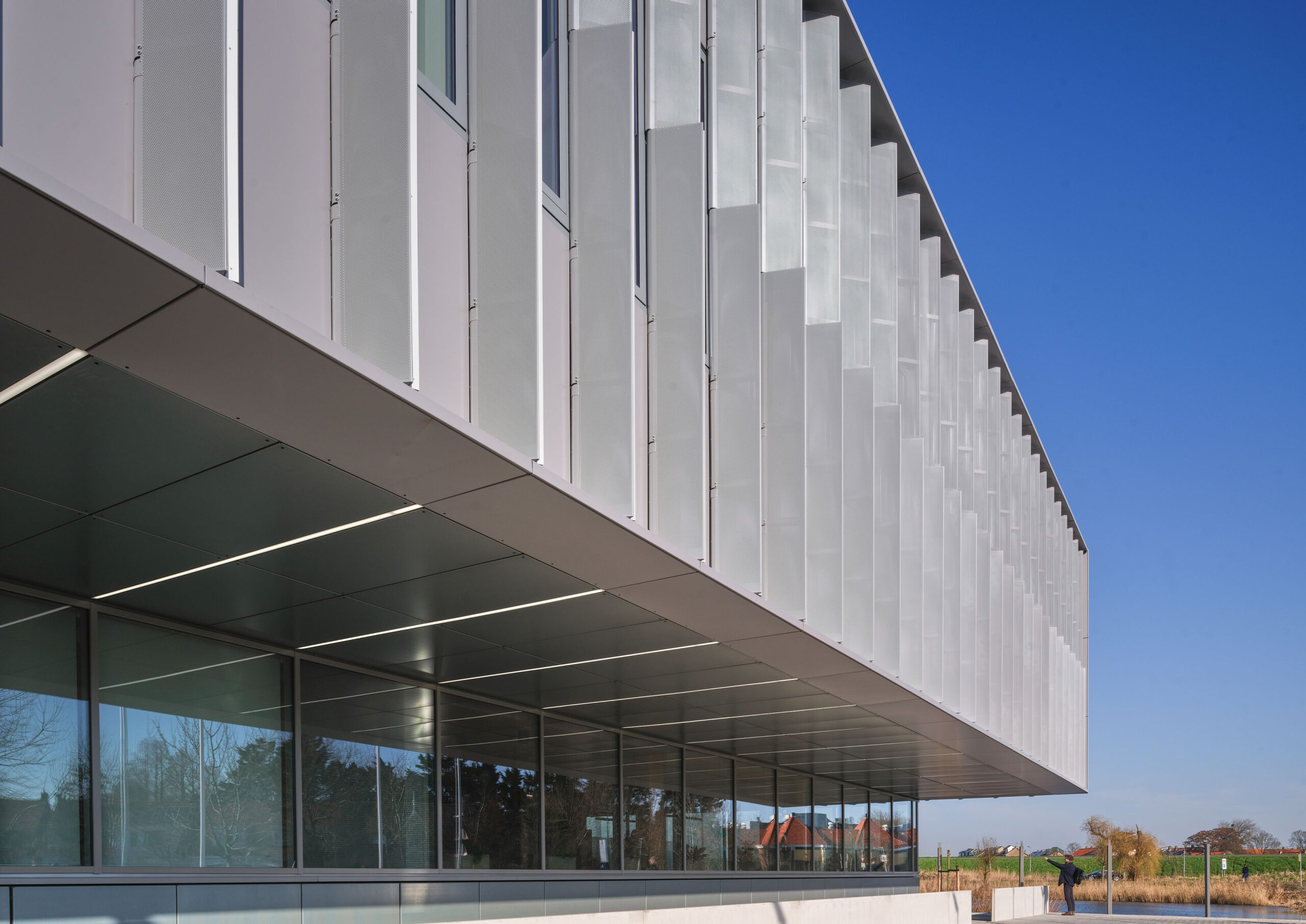
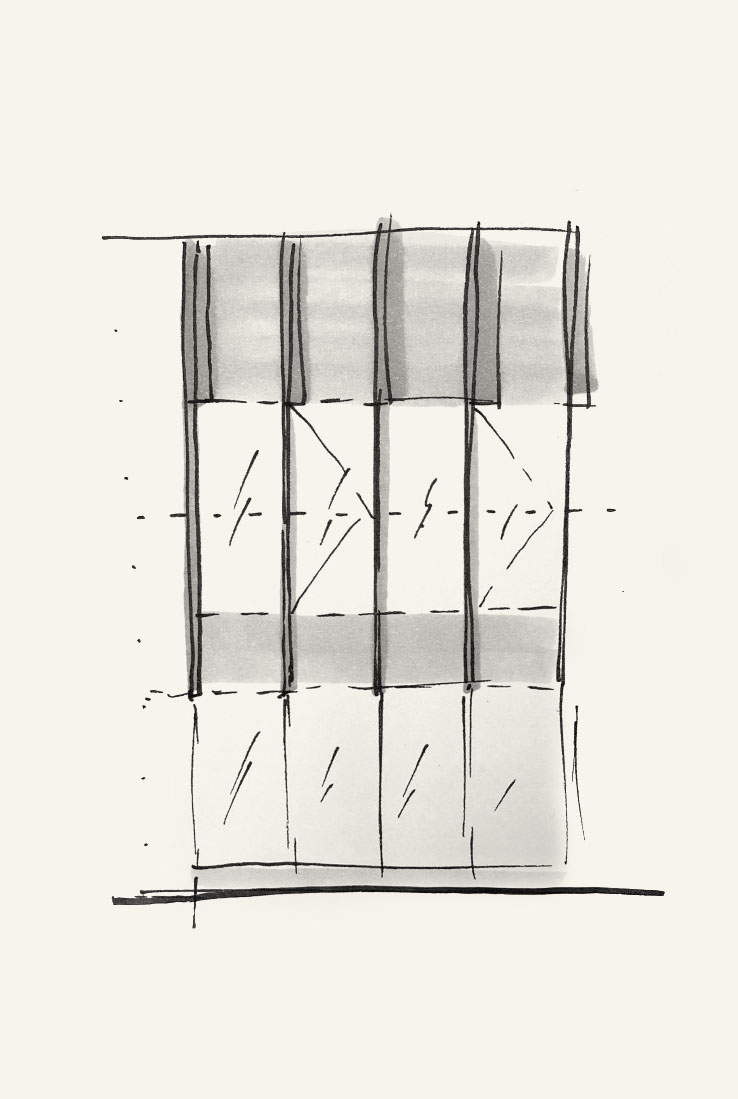

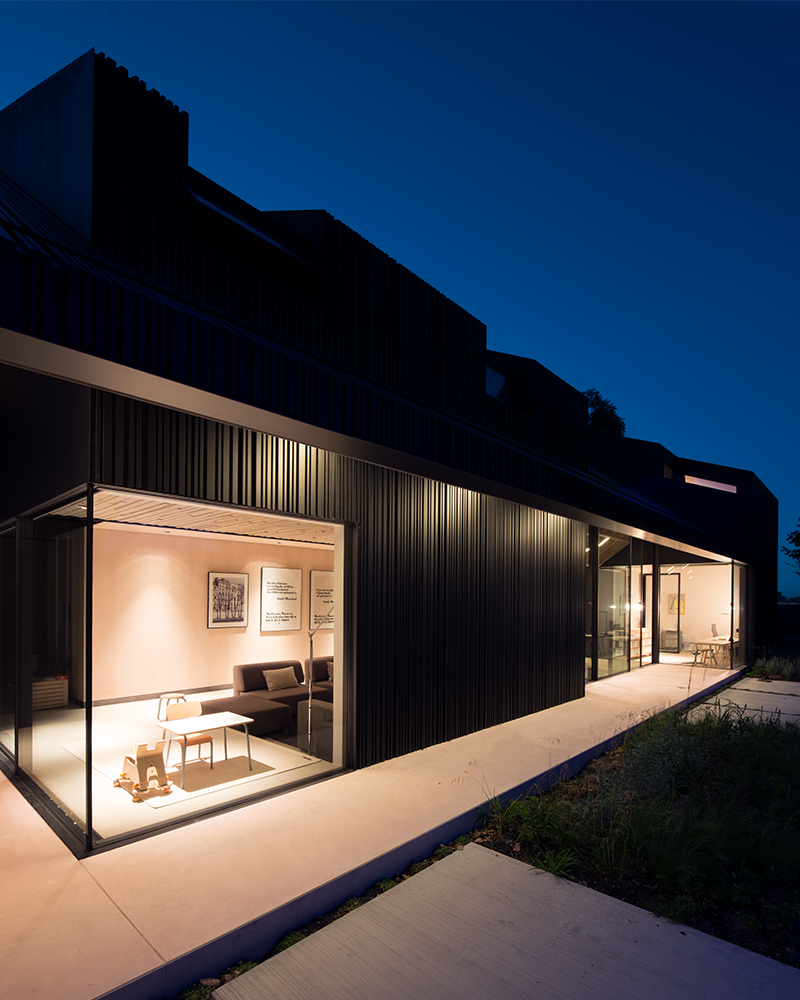
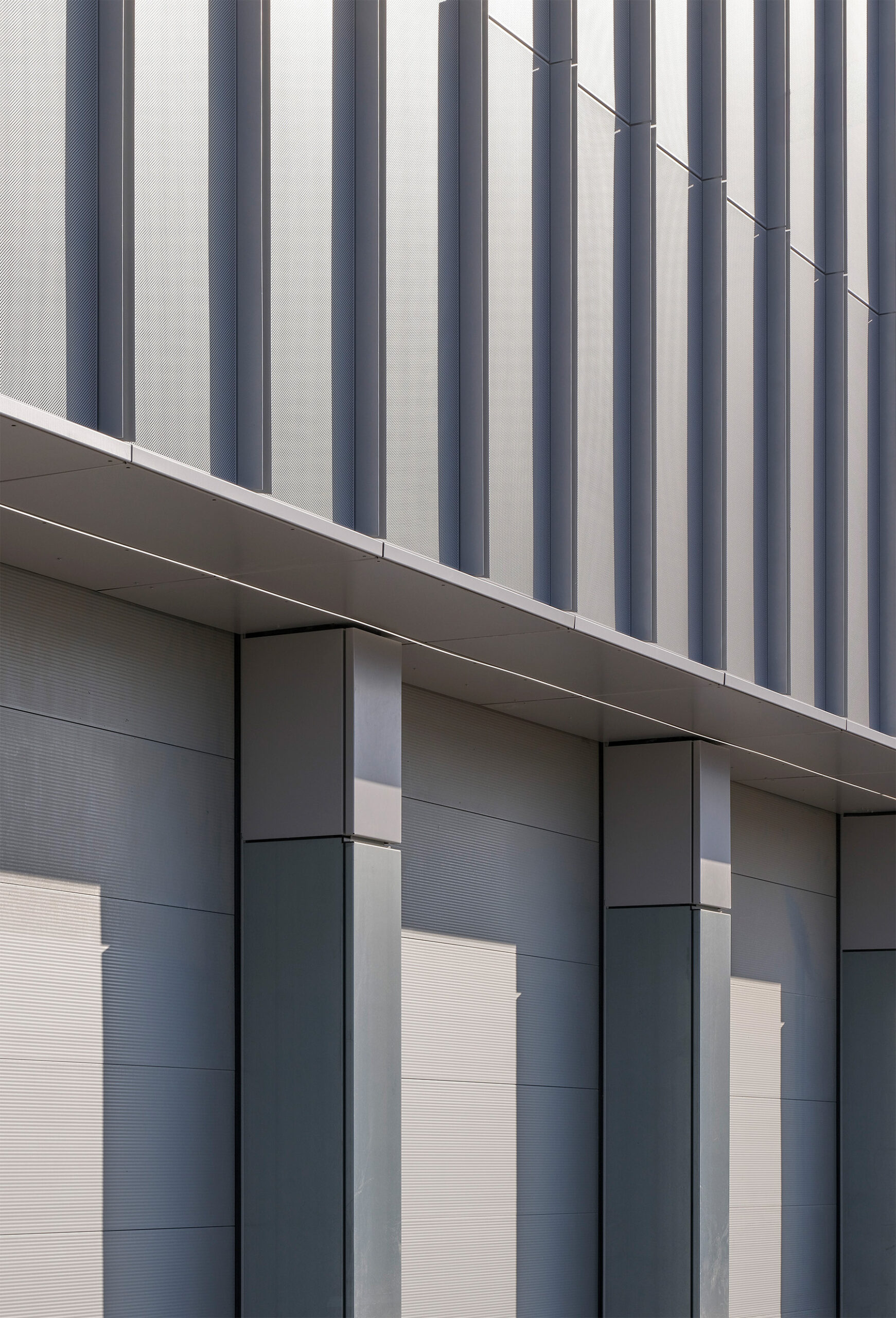
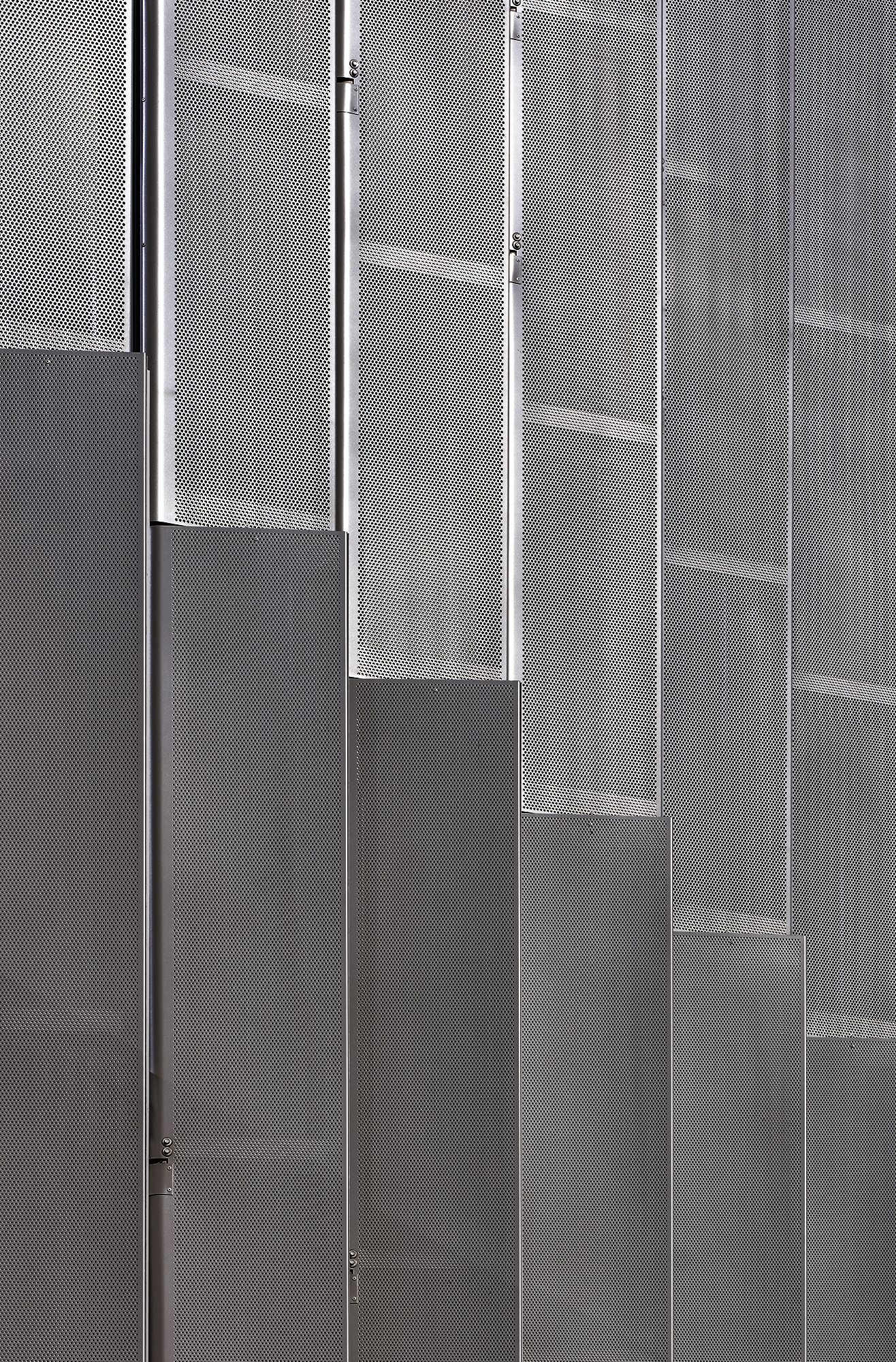
The facade was parametrically designed and optimized in collaboration with ArchiTech Company. The louvers filter light, ensure privacy, and at the same time preserve views. They limit direct visibility while contributing to thermal comfort and energy performance.
The base of the building is made of flat-galvanized steel that reflects the colors of water and reeds. Over time, this material develops a patina, allowing the facade to become increasingly anchored within the landscape.
More projects


Continue reading

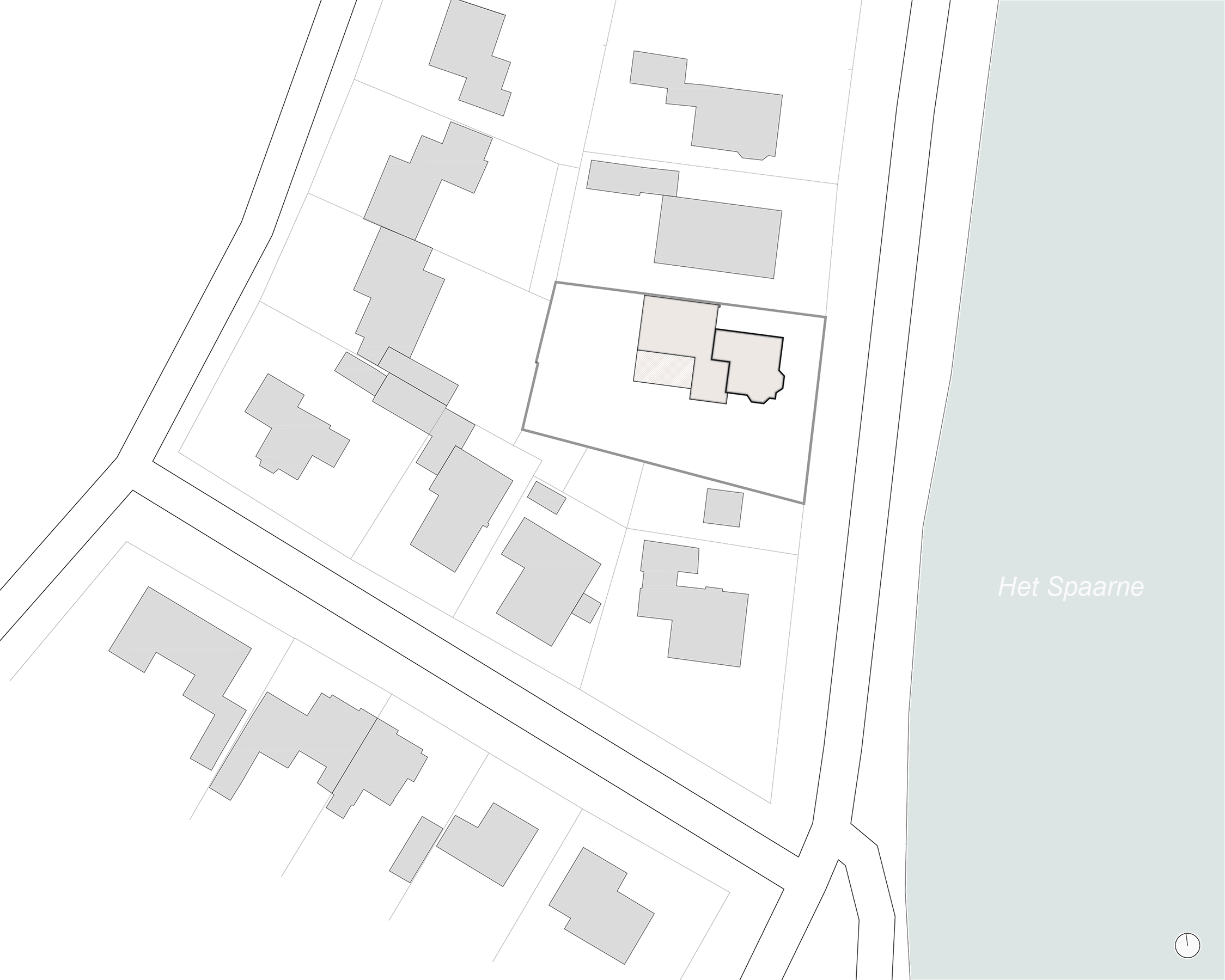
House by the Spaarne

House by the Spaarne

Private client

  • project

    House by the Spaarne

  • locatie

    Haarlem

  • client

    Private client

  • function

    residential

  • size

    200 m²

  • year

    2022

  • status

    built

  • design

    studio PROTOTYPE

  • project architect

    Jeroen Steenvoorden in collaboration Jeroen Spee, Alicja Bedkowska

  • project team

    Wiktoria Matysiak, Rodolfo Siccardi

  • photos

    Robertino Nikolic


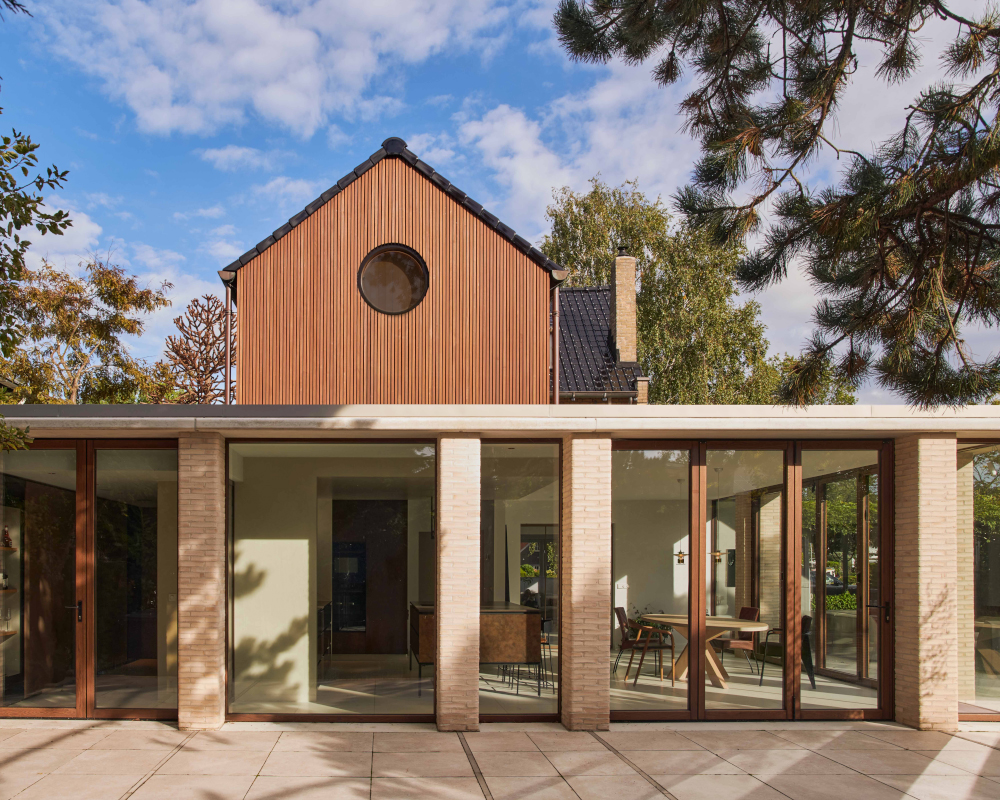
Living in your garden


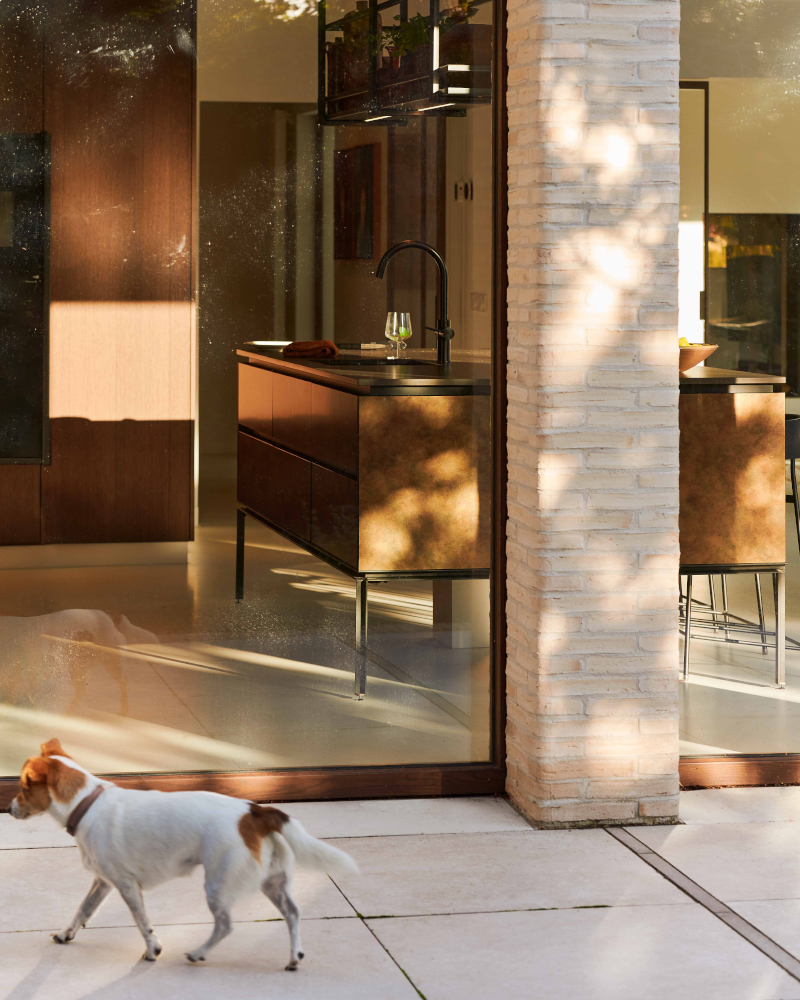
The exentsion dissolves boundaries
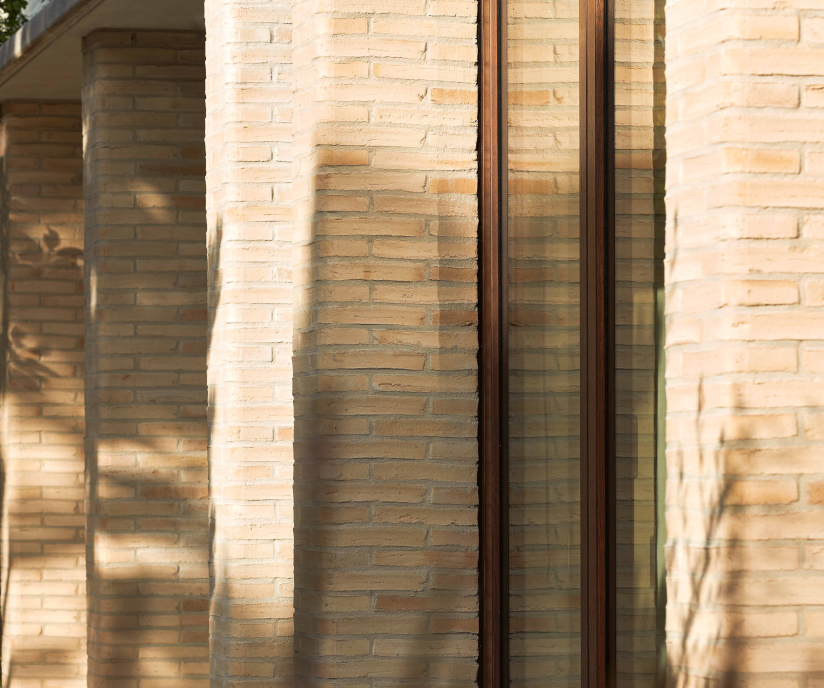
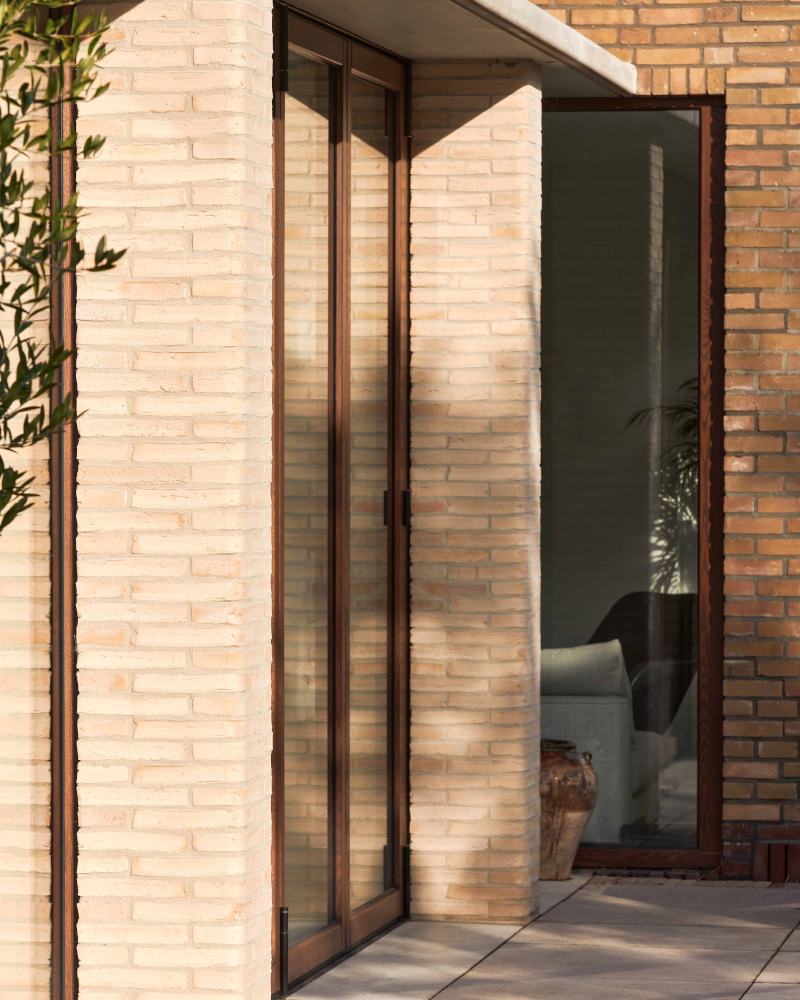
with seamless glass and natural materials


More projects


Continue reading

Ministry LVVN

Ministry of EZ, KGG & LVVN

Rijksvastgoedbedrijf

Studio PROTOTYPE and ZENBER Architects have recently completed the transformation of Rijkskantoor B73 in The Hague, home to three ministries: the Ministry of Agriculture, Fisheries, Food Security, and Nature; the Ministry of Climate and Green Growth; and the Ministry of Economic Affairs. The project aimed to modernize and renovate key areas within the complex, creating a flexible, sustainable, and future-proof government workspace.
  • project

    Ministry of EZ, KGG & LVVN

  • location

    The Hague

  • client

    Central Government Real Estate Agency

  • function

    government office

  • size

    5100 m²

  • year

    2025

  • status

    built

  • design

    studio PROTOTYPE & ZENBER Architecten

  • project architect

    Jeroen Steenvoorden in collaboration with Jeroen Spee & Eric Wezenberg (ZENBER Architecten)

  • project team

    Alicja Bedkowska, Rodolf Siccardi

  • photos

    Jeroen Musch

  • awards

    BIG SEE Architecture Award 2026


Enhance the comfort


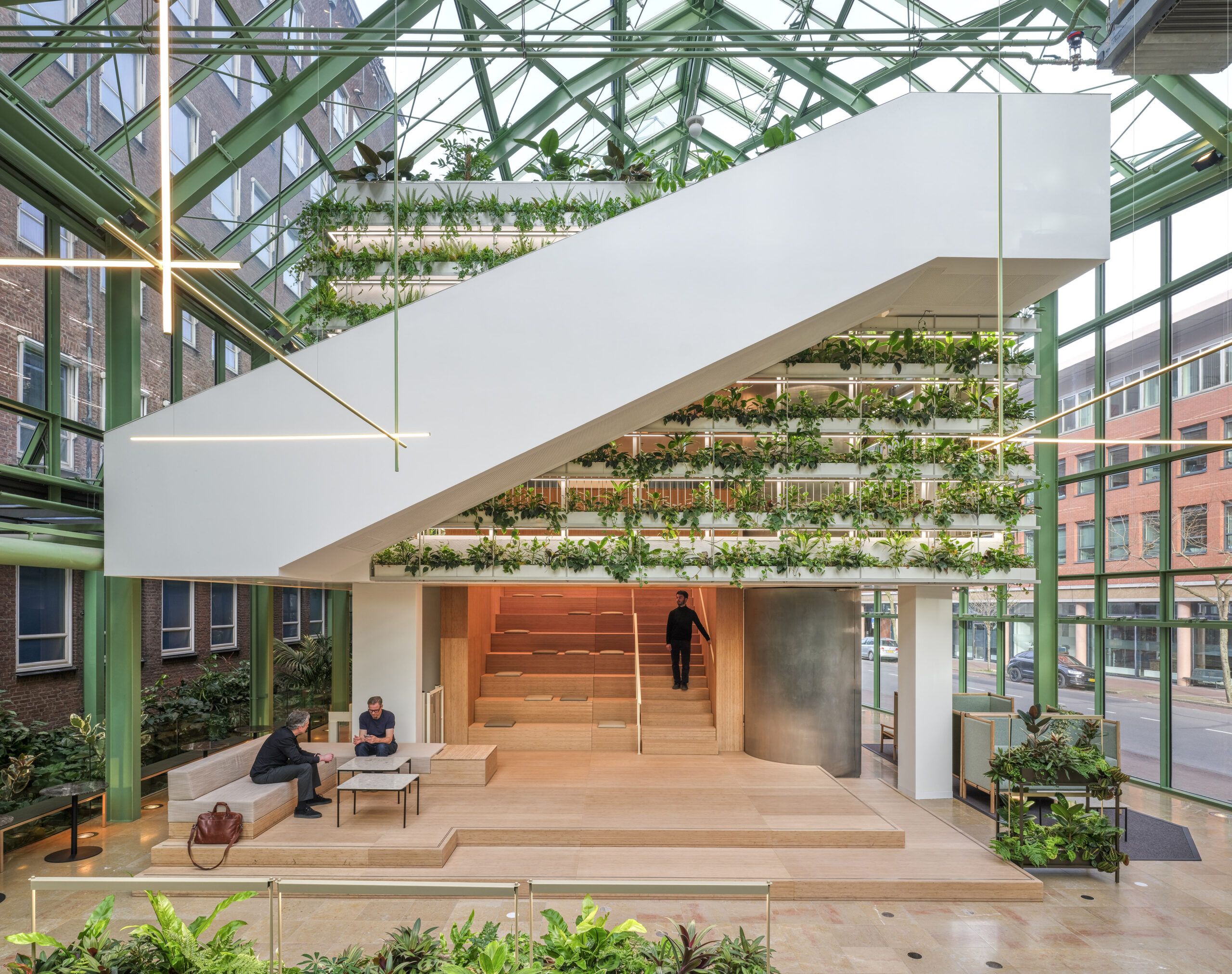
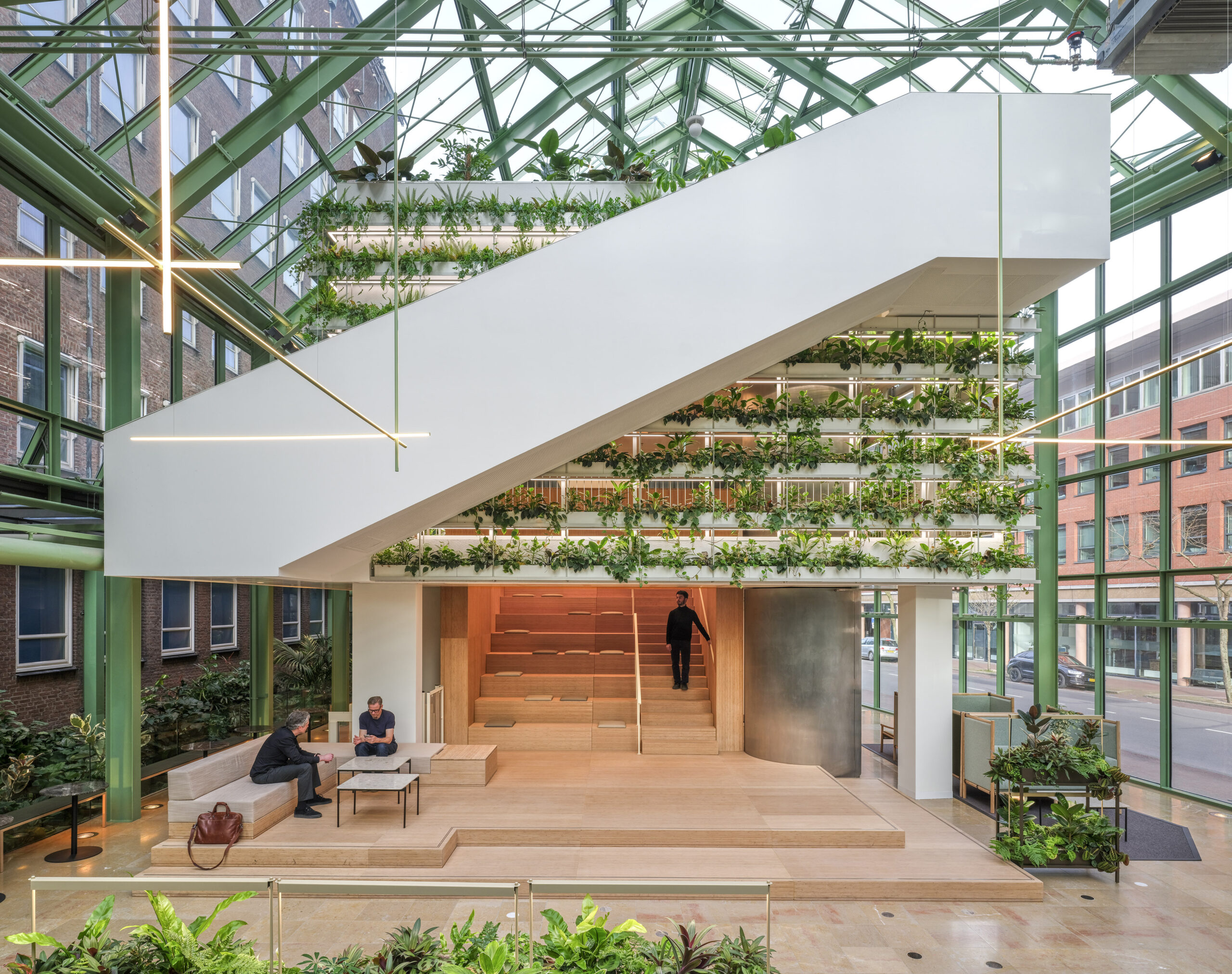
The challenge was to optimize these spaces for multifunctional use, with a strong focus on fostering interaction, collaboration, and connection. At the heart of the transformation lies the striking Orangerie—a lush green space where two existing pavilions and their surroundings have been reimagined as vibrant meeting hubs set within nature.

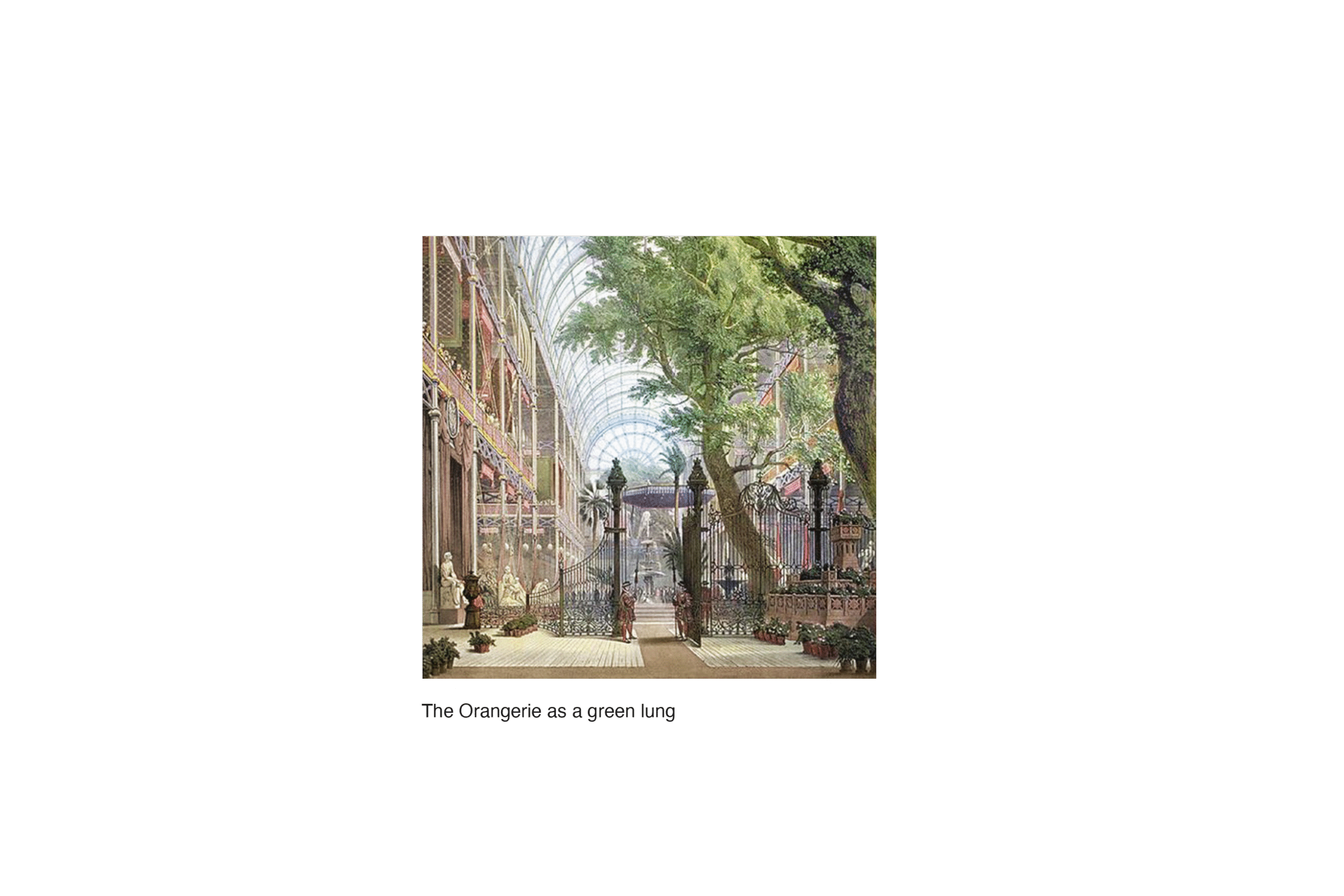
Sustainability and well-being are central to the design, which integrates biophilic principles and aligns with the WELL Building Standard. With its vertical gardens and plant walls, the Orangerie serves as the “green lung” of the complex, improving air quality, enhancing the working environment, reducing CO₂ emissions, and lowering cooling demands. The two brainstorm pods, built entirely from biobased and renewable materials, act as test spaces for innovative and sustainable products and technologies.


Two pavilions transformed
into lively meeting places


More projects


Continue reading

Villa Schoorl

Villa Schoorl

private client

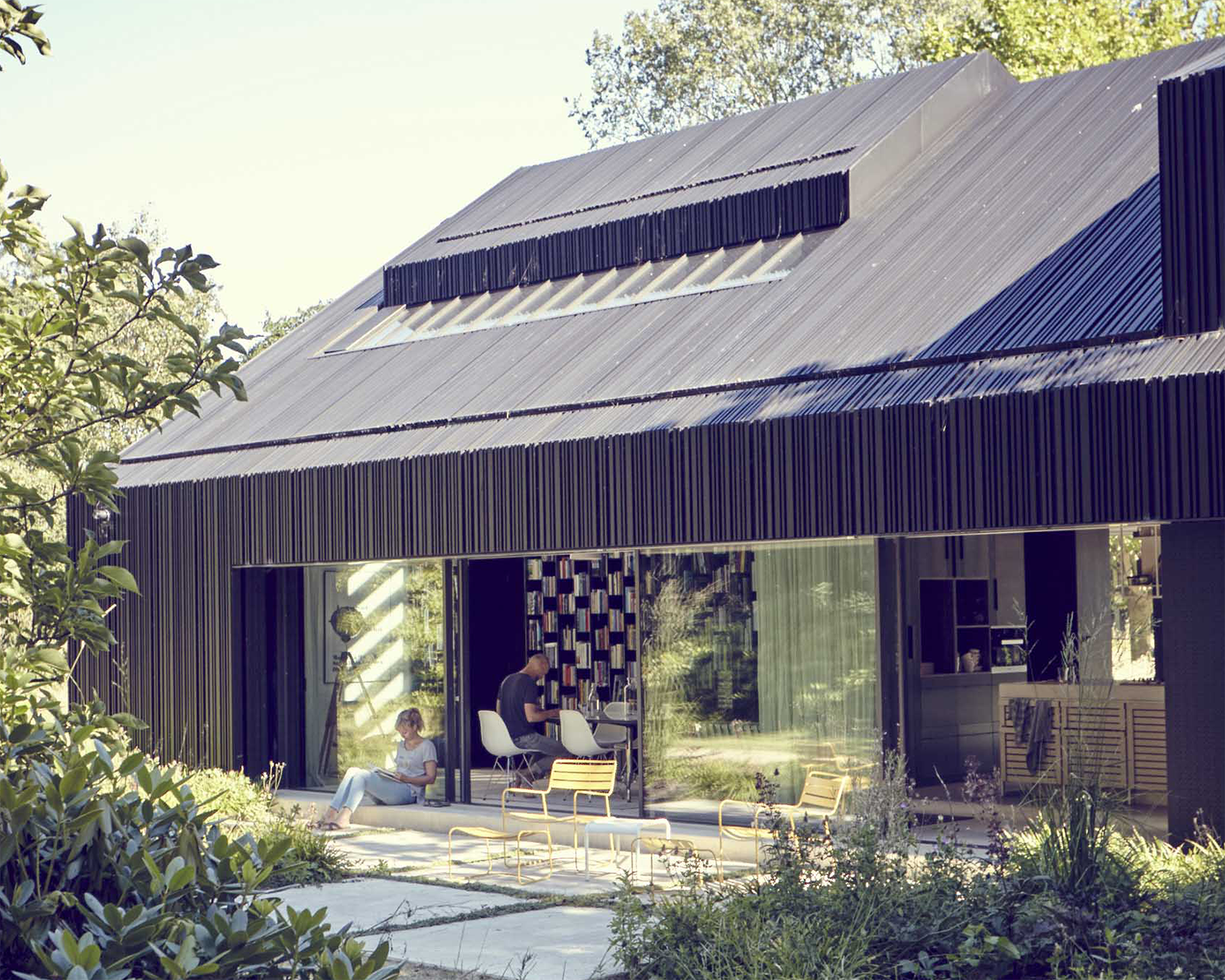
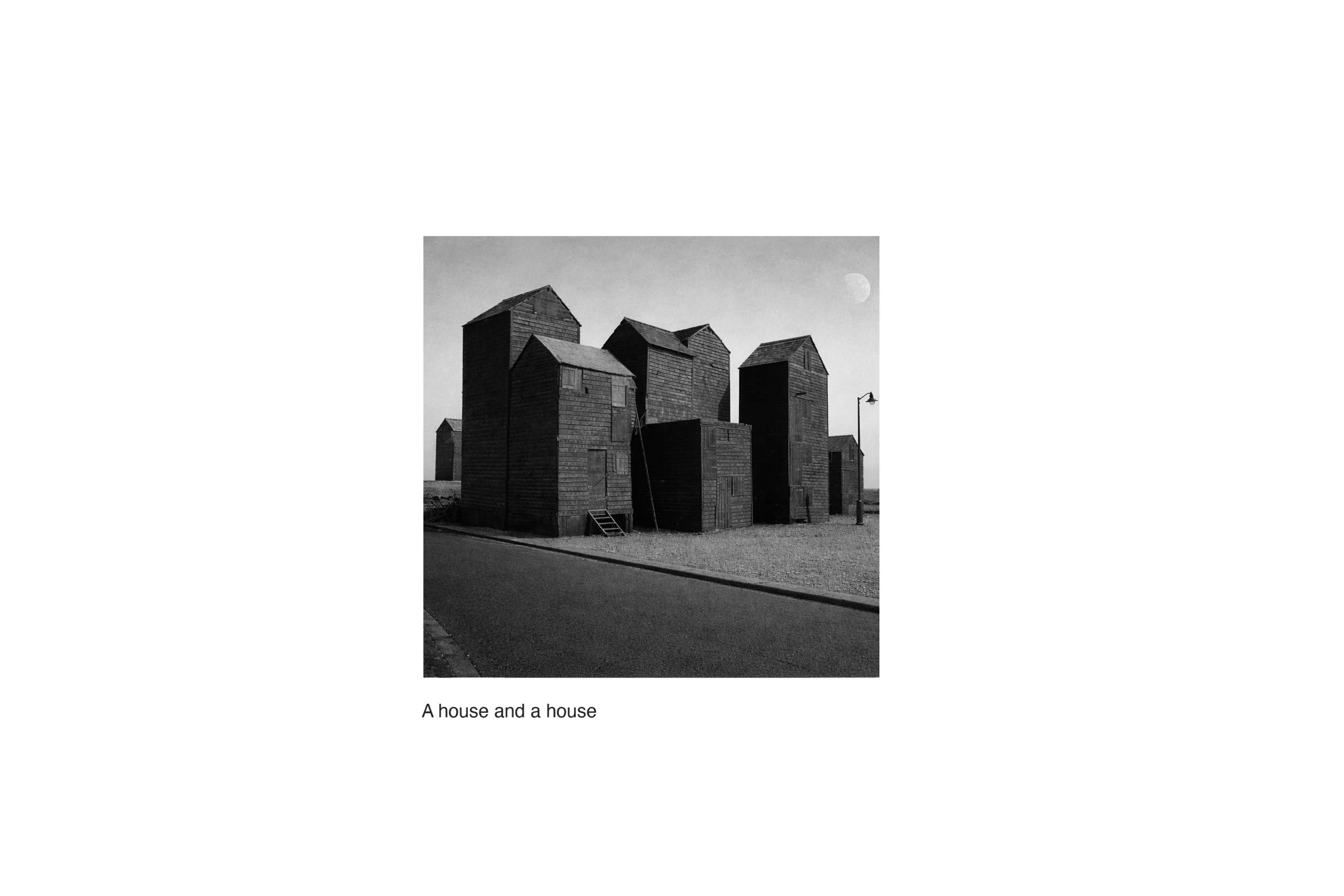
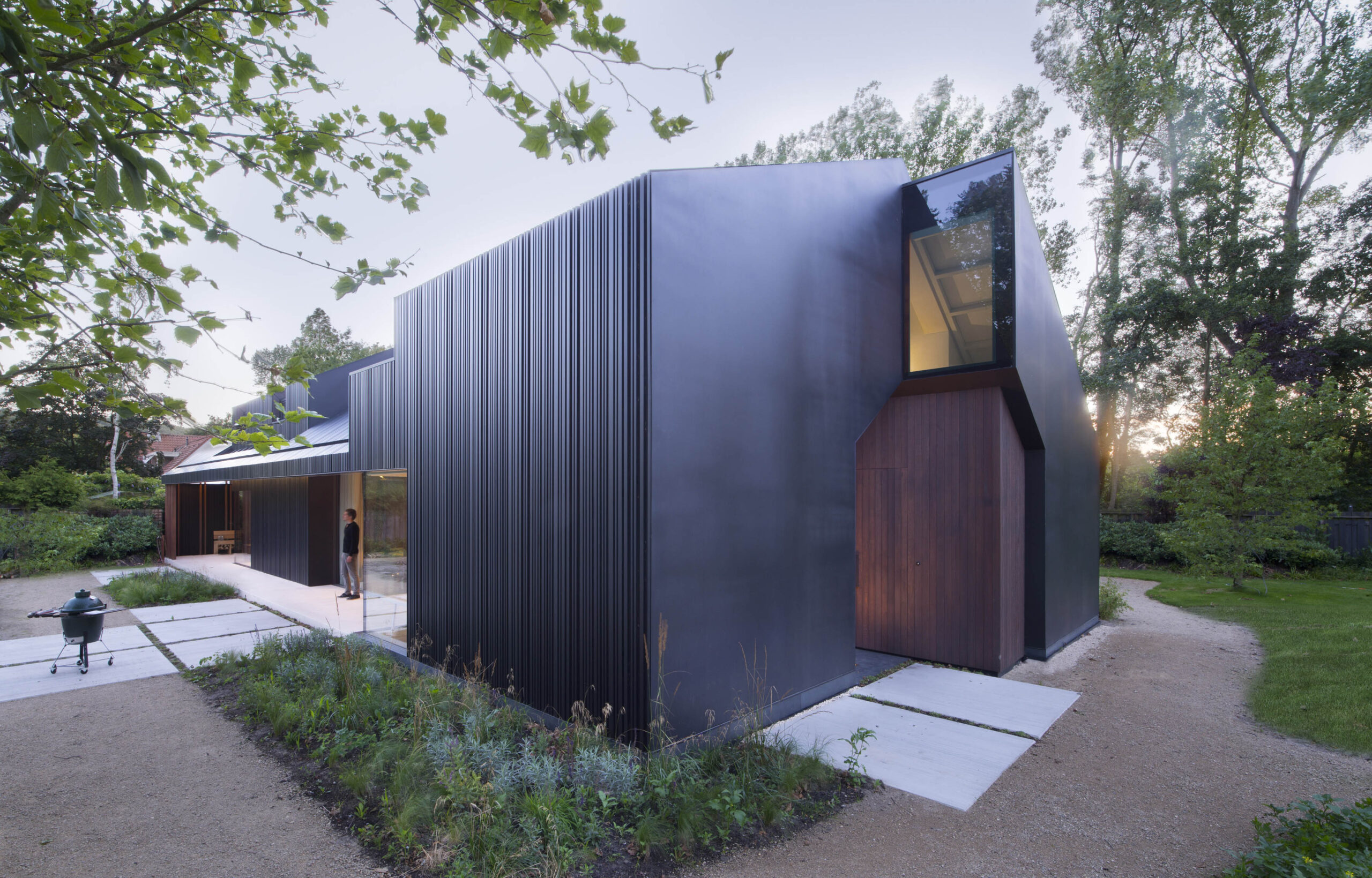
In the middle of a one of the most beautiful dune landscapes in the Netherlands the small town of Schoorl is situated. It is surrounded by an almost surreal landscape, serene nature and magnificent views and vistas. A typical authentic Dutch landscape, of which only a few are left. At the end of one of the many lanes with high trees, a dark silhouette has risen. A family farm, which is a modern interpretation of a typical black barn common in the region.

  • project

    Villa Schoorl

  • location

    Schoorl

  • client

    Private client

  • function

    residential

  • size

    400 m²

  • year

    2014

  • status

    built

  • design

    studio PROTOTYPE

  • project architects

    Jeroen Steenvoorden in collaboration with Jeroen Spee

  • project team

    Steven Otten, Titus Lammertse, Gijs Suijlichem, Florian Nelemans

  • collaboration

    Alumet

  • photos

    Robertino Nikolic, Jeroen Musch

  • awards

    Architizer A+Awards 2016 – Jury Winner, Private House

  • Nomination for ABE Bonnema Award 2016

  • Nominated for Nationale Staalprijs 2016

  • Second Prize, Hauser Award 2017, Hauser Magazine


A villa as
a village


The required program is translated into a clear programmatic grid, which is also used as a starting-point to arrange the spatial concept. The grid is modified compared to the former grid and spatially translated into several opened and functional objects. Depending on the different functions the objects were designed in a more open or closed manner. The volumes were then modified to form a succession of open, closed, light and dark spaces. Inside the volumes intimate spaces such as the library, music room, studio, bedrooms and bathrooms exist.


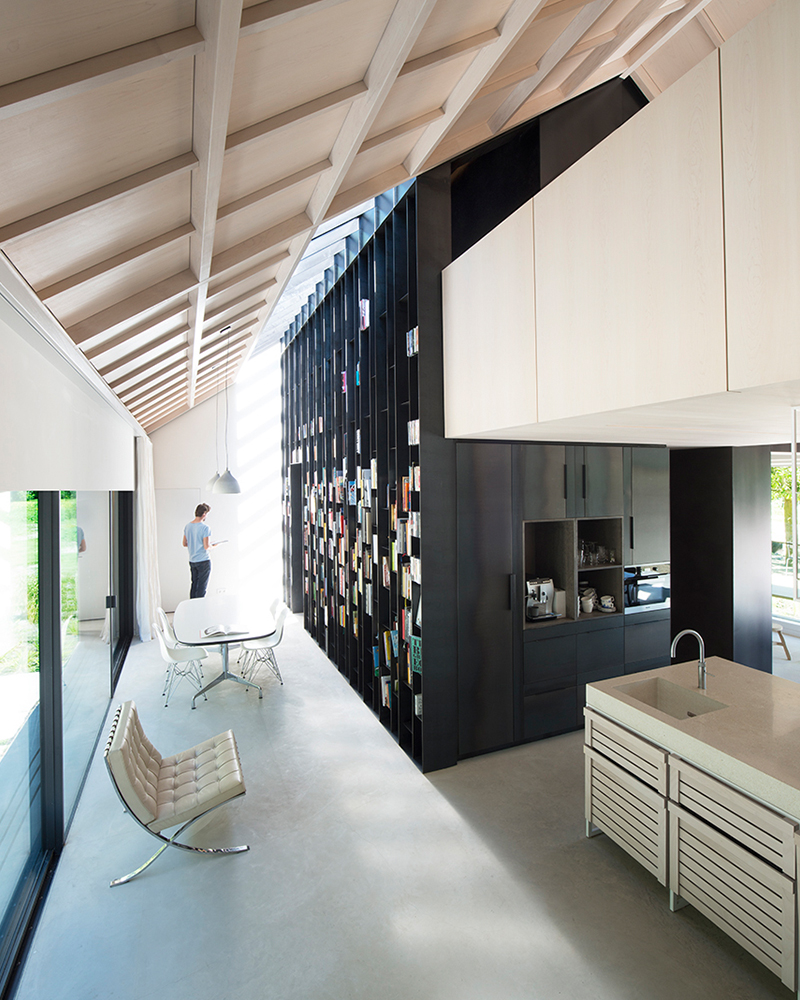
In between these volumes, a central, open living area connects to the veranda where the exterior flows into the interior, a moment to enjoy to the surrounding landscape. The objects within play a game with the outer surface of the house and volumes pierce through the main mass. This results into an impressive interaction of volume and structure forming a sculptural entity.

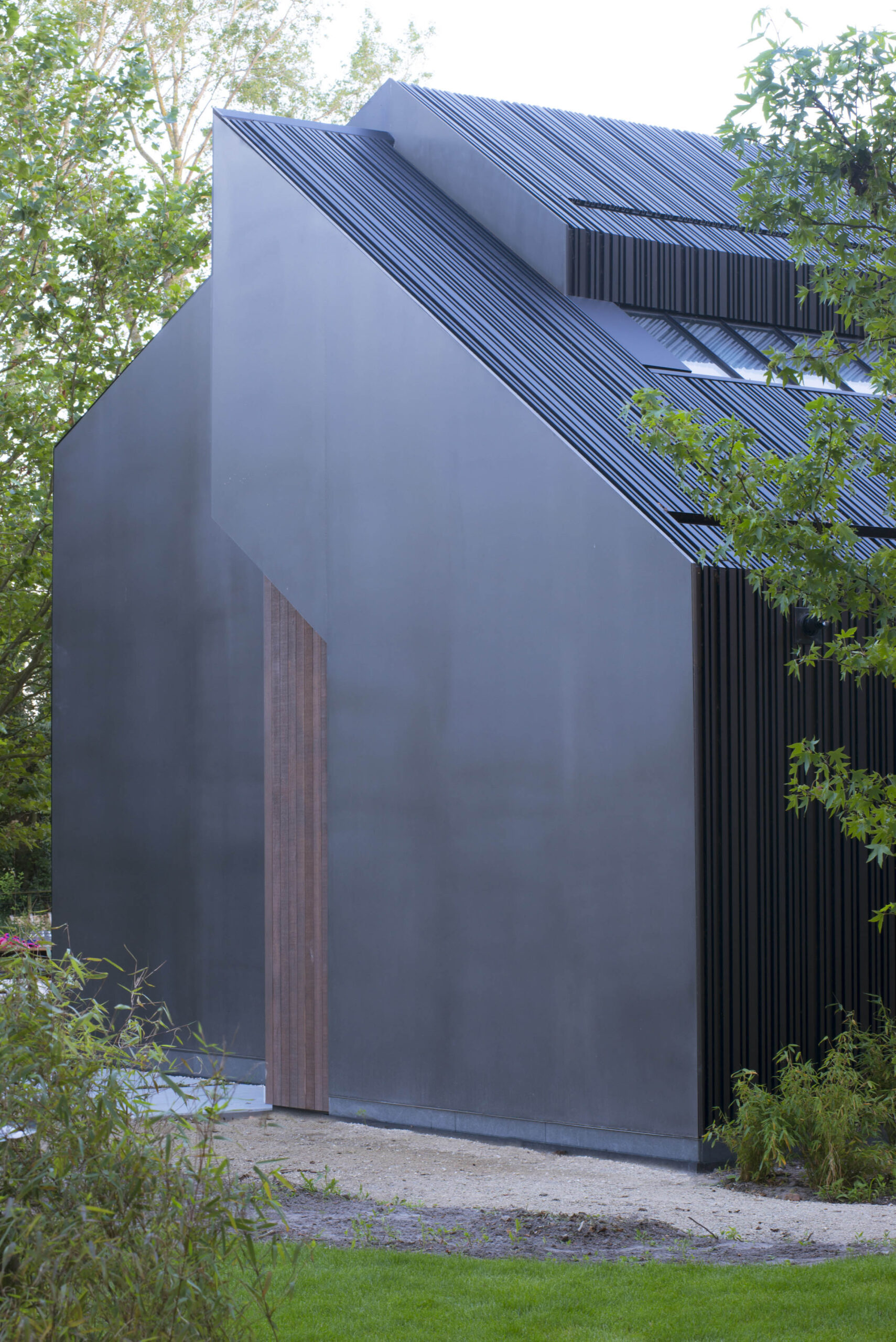
The outer shell is materialized with black metal, a combination of anodized aluminium for side facades and roof, and a solid, one piece, rolled steel plate for the front façade. The flames that characterises rolled steel have a certain natural beauty, relating to its natural surrounding. 


A high level of detailing characterizes the villa. Studio PROTOTYPE achieved this refinement by partly taking over the role of the contractors and subcontractors with, for instance, initiating the development of a transparent coating to preserve the characteristic natural marking of rolled steel and prevent oxidation in the harsh salty sea climate.

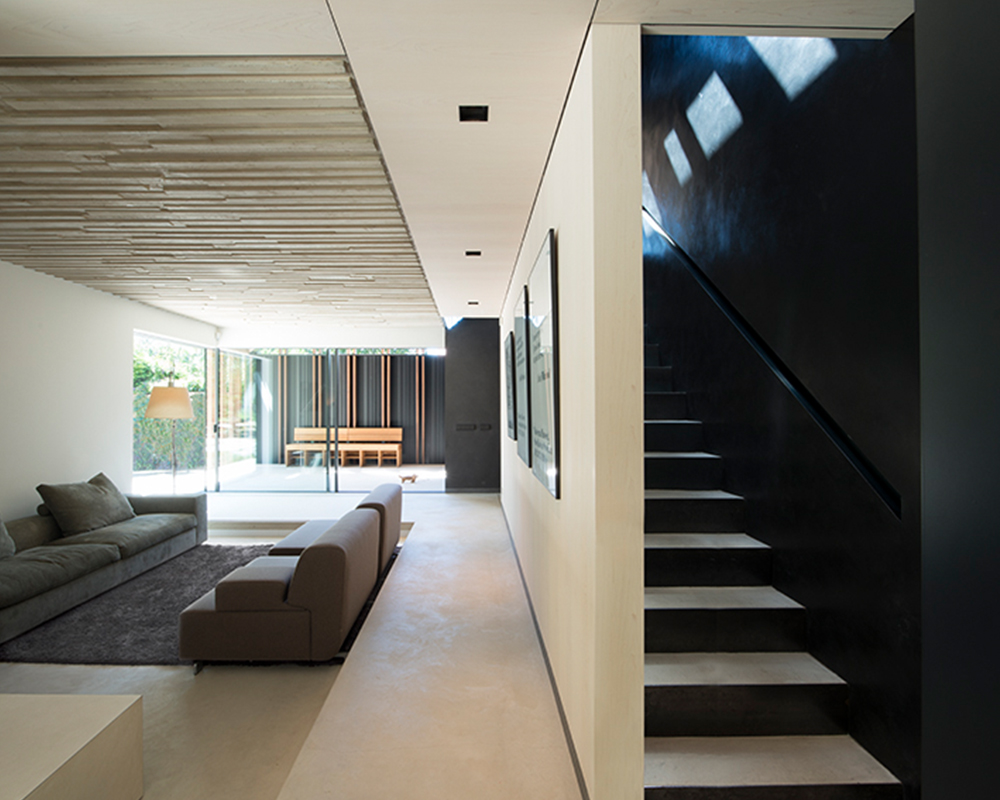
The interior volumes are again materialized with rolled steel, in contrast to surrounding spaces where light maple wood is used. The floor of sand coloured concrete has a direct relation to the dunes outside. Furniture elements have been designed in coherence with the rest of the building. This results in a spatial puzzle and timeless atmospheres where the building and interior seamlessly merge.


“A spatial puzzle where building and interior seamlessly merge.”

studio PROTOTYPE


More projects


Continue reading

Pavilions Vught

Pavilions Vught

Private Client

In a park-like environment at the Rondeweg in Vught, a villa was built in the thirties out of the characteristic red bricks of that time. The quality of the park-like surrounding is continued in the design within the lot of the existing house.

  • project

    Pavilions Vught

  • location

    Vught
  • client

    Private client

  • function

    residential, office
  • size

    60 m²

  • year

    2018

  • status

    built

  • design

    studio PROTOTYPE

  • project architects

    Jeroen Steenvoorden in collaboration with Jeroen Spee

  • project team

    Luca Vatteroni, Elisa Cardinali, Rossella Villani
  • photos

    Jeroen Musch

  • awards

    Architizer A+Awards 2018 – Jury Winner, Architecture + Living Small


New Park of the
tiny pavilions


As part of this ‘new park’, two pavilions have been designed: the tine office pavilion and a teahouse pavilion, both subtly connecting with the existing residential house. Both pavilions have their own identity and material characteristics, creating an interaction within the total concept.  


The materialization of the pavilion connects as much as possible with the existing residential house. The concrete plinth and copper roof grade colorwise with the typical red bricks of the house. The façade of the pavilion is made entirely out of glass in Iroko wooden frames, creating a strong inside outside relation, between nature and interior and between existing and new.

“Awarded the jury prize for the Architecture +Living Small category

Architizer


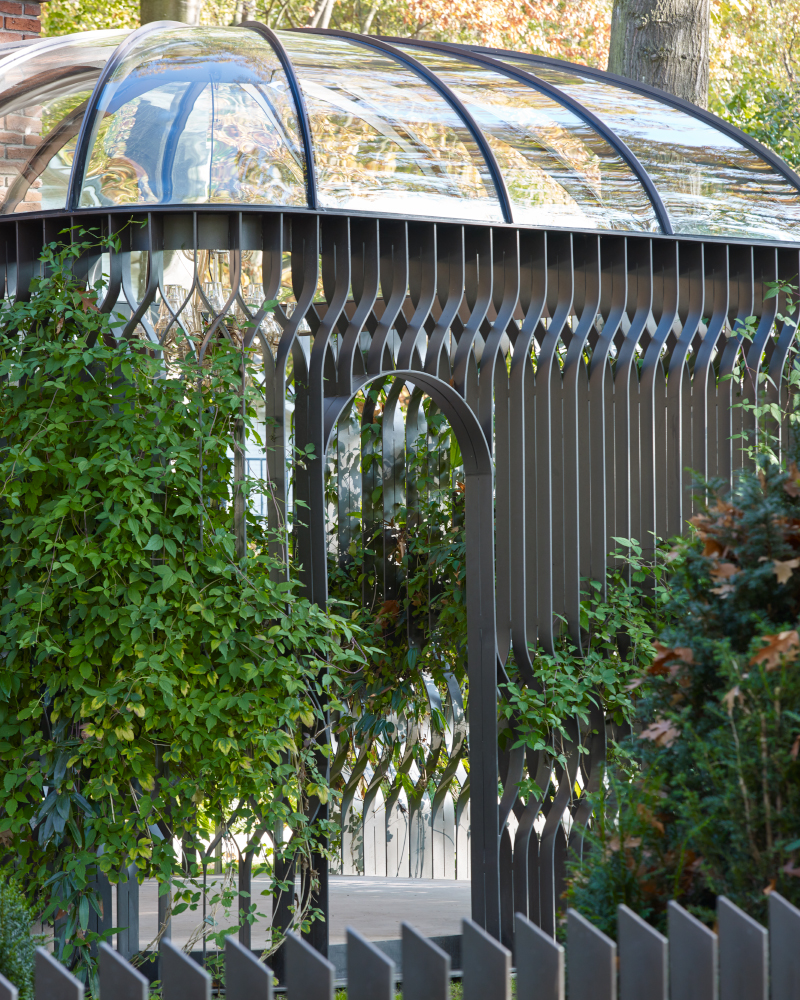
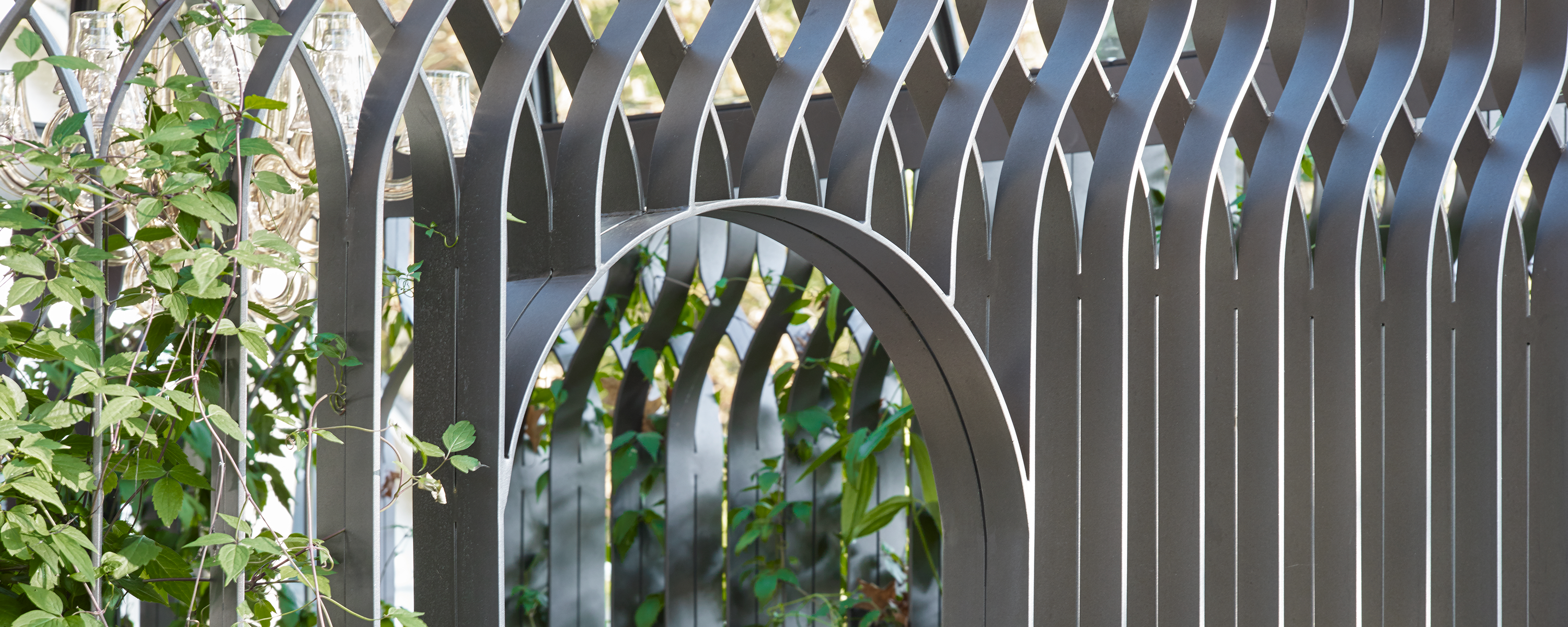
The teahouse pavilion is built out of an open braided pattern of steel, also functioning as the construction of the pavilion, thus creating a pavilion free of columns. The round roof of the pavilion exists out of double curved glass parts, connecting with the steel substructure. The braided steel elements are taken over by the greenery, creating a beautiful symbiose between the greenery of the park and the open structure of the pavilion.

More projects


Continue reading

Pocket Park Céramique

Pocket Park Céramique

Rijksvastgoedbedrijf

Pocket Park Céramique is a design vision for the transformation of the former Rijkskantoor Avenue Céramique in Maastricht into a circular, healthy, and future-ready government office. Developed by Studio PROTOTYPE in collaboration with Hollandse Nieuwe, the project is based on integrating green spaces into the existing building structure to improve spatial quality, user well-being, and environmental performance.

  • project

    Pocket Park Céramique

  • location

    Maastricht

  • client

    Rijksvastgoedbedrijf

  • function

    office

  • size

    16 000 m²

  • status

    in progress

  • collaboration

    BINX Smartility, Hollandse Nieuwe, MOSS

  • design

    studio PROTOTYPE

  • project architects

    Jeroen Steenvoorden, Arjan Post

  • project team

    Daniela van Doorenmaalen, Diederik Hermens, Max Witteveen, Roque Pérez Pareja

  • renders

    Absent Matter


Integrated Design Vision


The project combines a network of green pocket parks with a radically circular transformation of the existing building. Green spaces connect the surrounding urban context with the interior atrium and rooftop gardens, creating places for meeting, relaxation, and informal work while enhancing biodiversity and the indoor climate. At the same time, the design prioritizes maximum reuse of existing materials and structures, complemented by new interventions executed in biobased materials. The building’s structural logic enables flexible and sustainable reconfiguration of the work floors, transforming approximately 16,000 m² of office space into an adaptive, inspiring, and healthy working environment, scheduled for completion in 2028.

Greenery forms the core of the architectural concept. Pocket parks are integrated throughout the building, across multiple levels, within the atrium, along circulation routes, and on the rooftops, creating a continuous green landscape. These planted spaces support biodiversity, improve the indoor climate, and provide areas for rest, informal meetings, and everyday interaction, transforming the carré-shaped building designed by Hubert-Jan Henket in 1998 into a lively and socially engaging workplace.

More projects


Continue reading

Vertical Lofts

Vertical Lofts

CPO

Studio PROTOTYPE saw an opportunity to design a clear structure opposed to the diversity of design following the do-it-yourself initiatives in the street. This structure is distinctive in scale and materiality and a translation of the typological design of loft apartment. The residential houses are at the sun side of the building spaciously connected by means of a void.
  • project

    Vertical Lofts

  • location

    Amstelkwartier

  • client

    CPO

  • function

    loft apartments

  • size

    2500 m² 

  • year

    2019

  • status

    built

  • design

    studio PROTOTYPE

  • project architects

    Jeroen Steenvoorden in collaboration with Jeroen Spee, Mitchel Verkuijlen

  • project team

    Rosella Villani, Luca Vatteroni, Steven Otten, Gijs van Suijlichem, Dieter Vlieghe, Ruben Figueiredo, Jesus Huerta Chilet

  • collaboration

    Houtwerk bv, ABT, WAM, Smeulders Interieurgroep

  • photos

    Jeroen Musch 


Vertical Rhythm


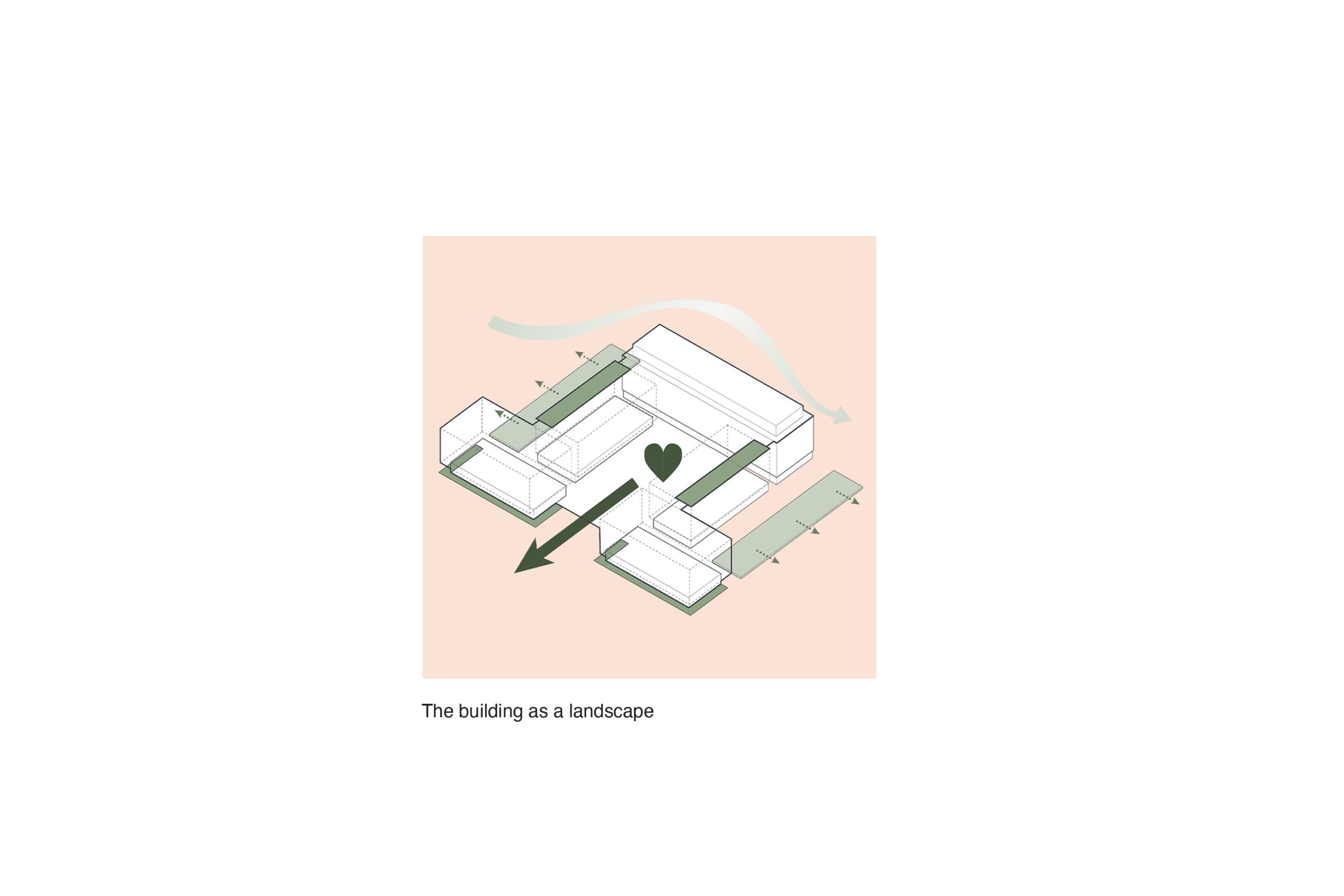
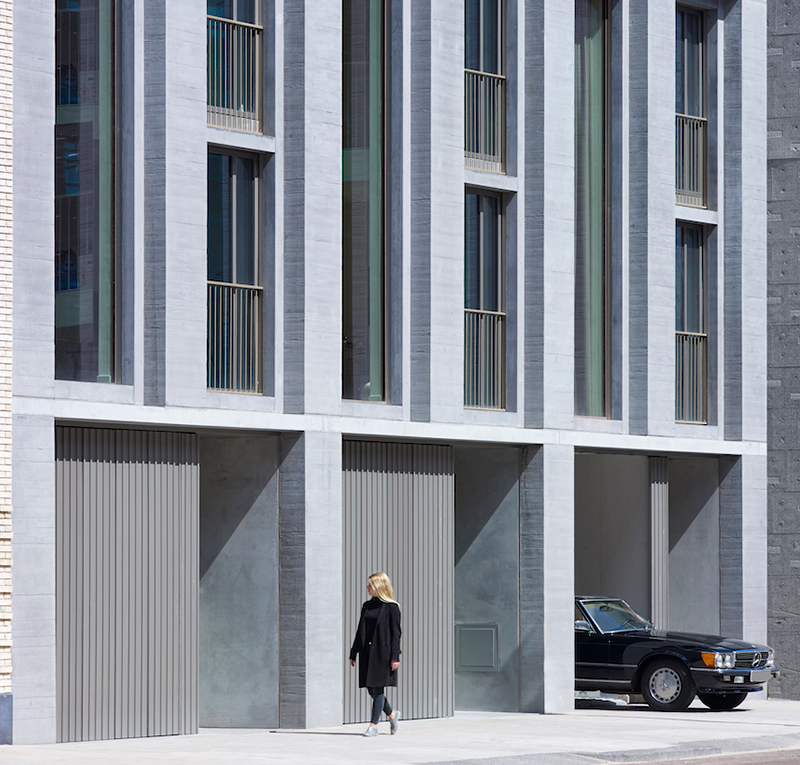
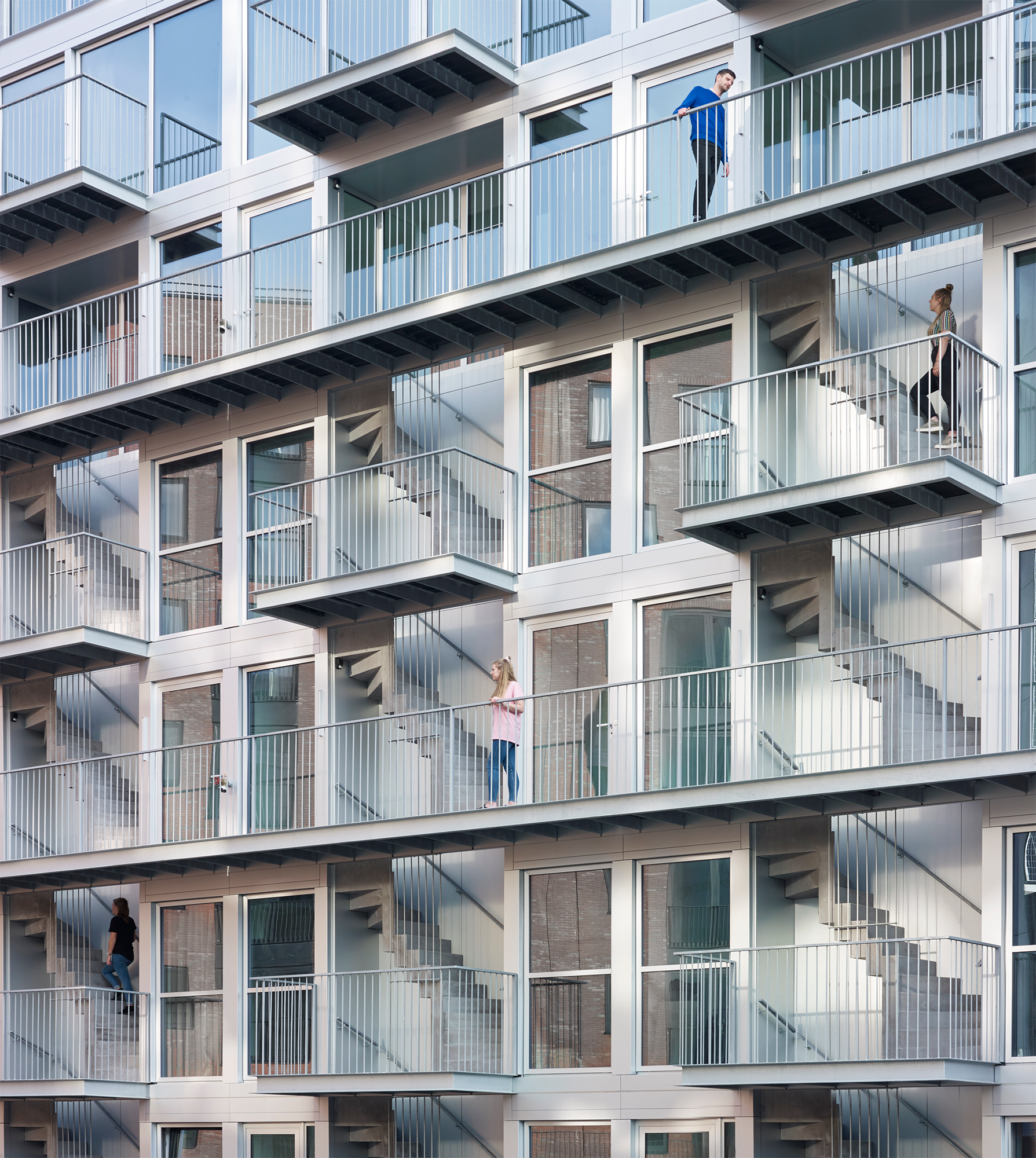
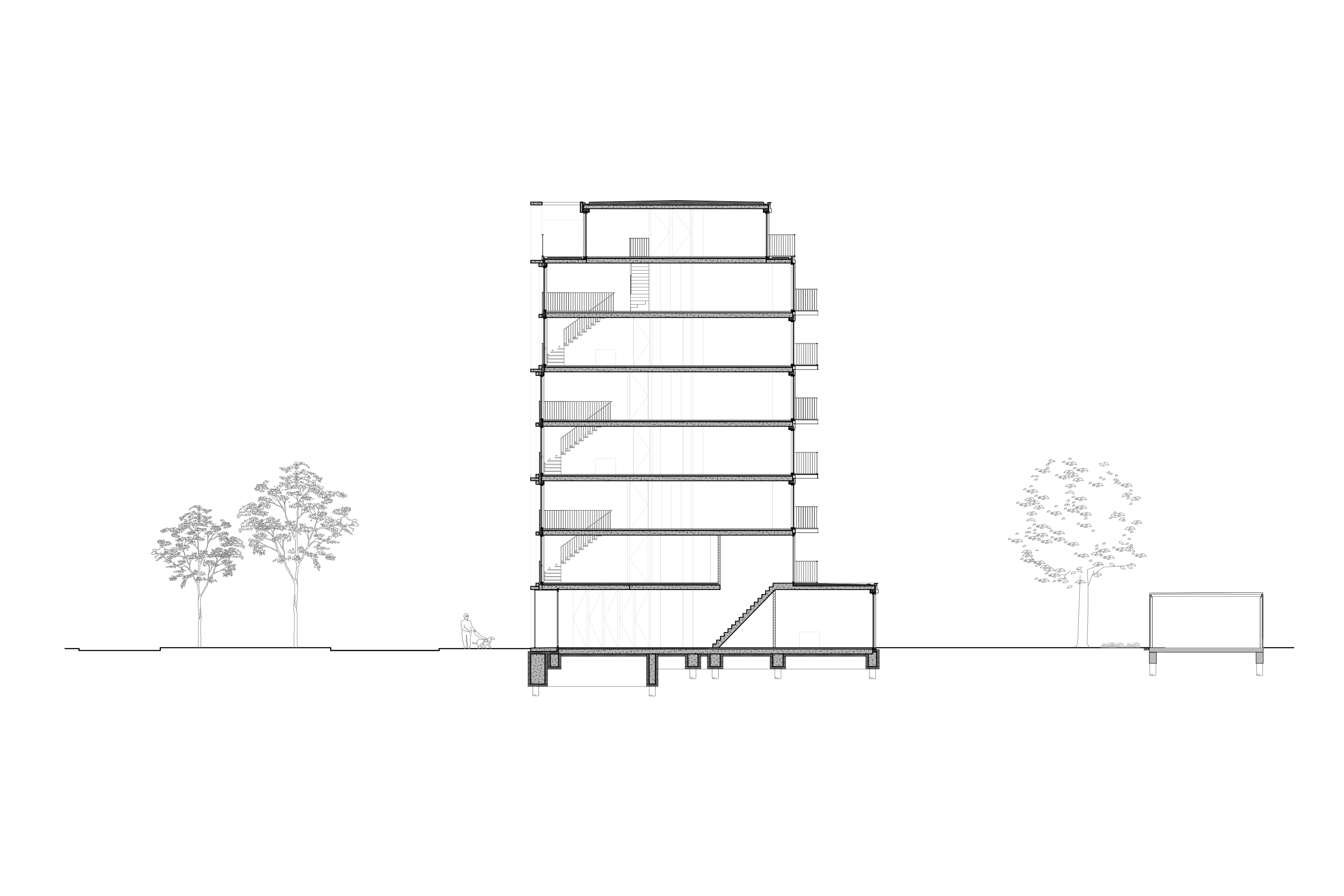
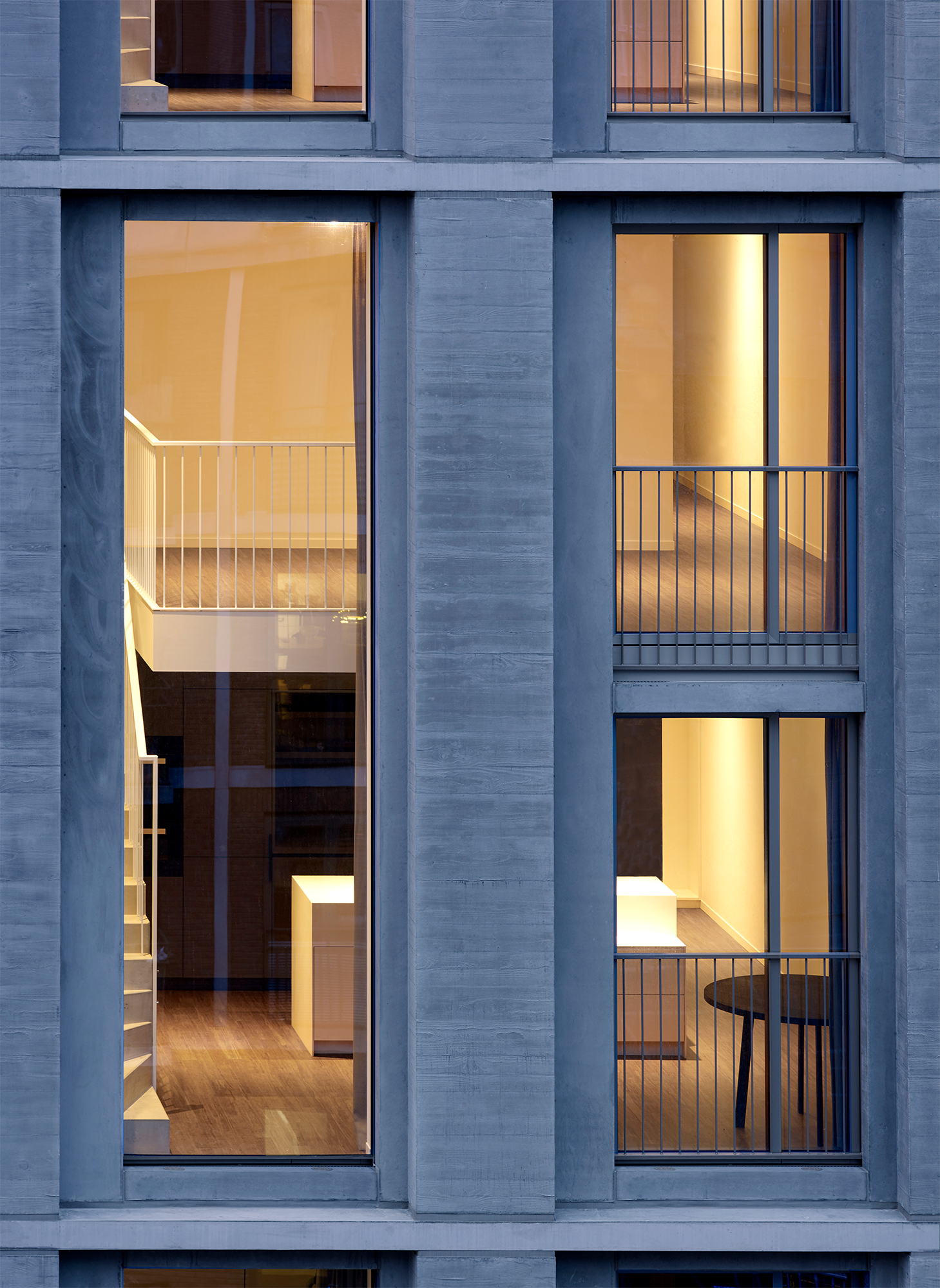
A central core enables an open living environment, in which multiple set-up principles are possible. The core has been remained as small as possible by placing the stairwells completely outside of the building, making them part of the balconies on the backyard side. This finding, of placing the stairswells on the outside of the façade, resulted in more open living space within the complete building contour. By breaking up the structure at the plinth and the crown, the building opens up to the street and the view. The rhythm of the concrete façade emphasizes the loft apartments for which grand and high windows have been created, based on the maximum glass size of 5.40 meters. The windows give a framed view on the new developed neighborhood.


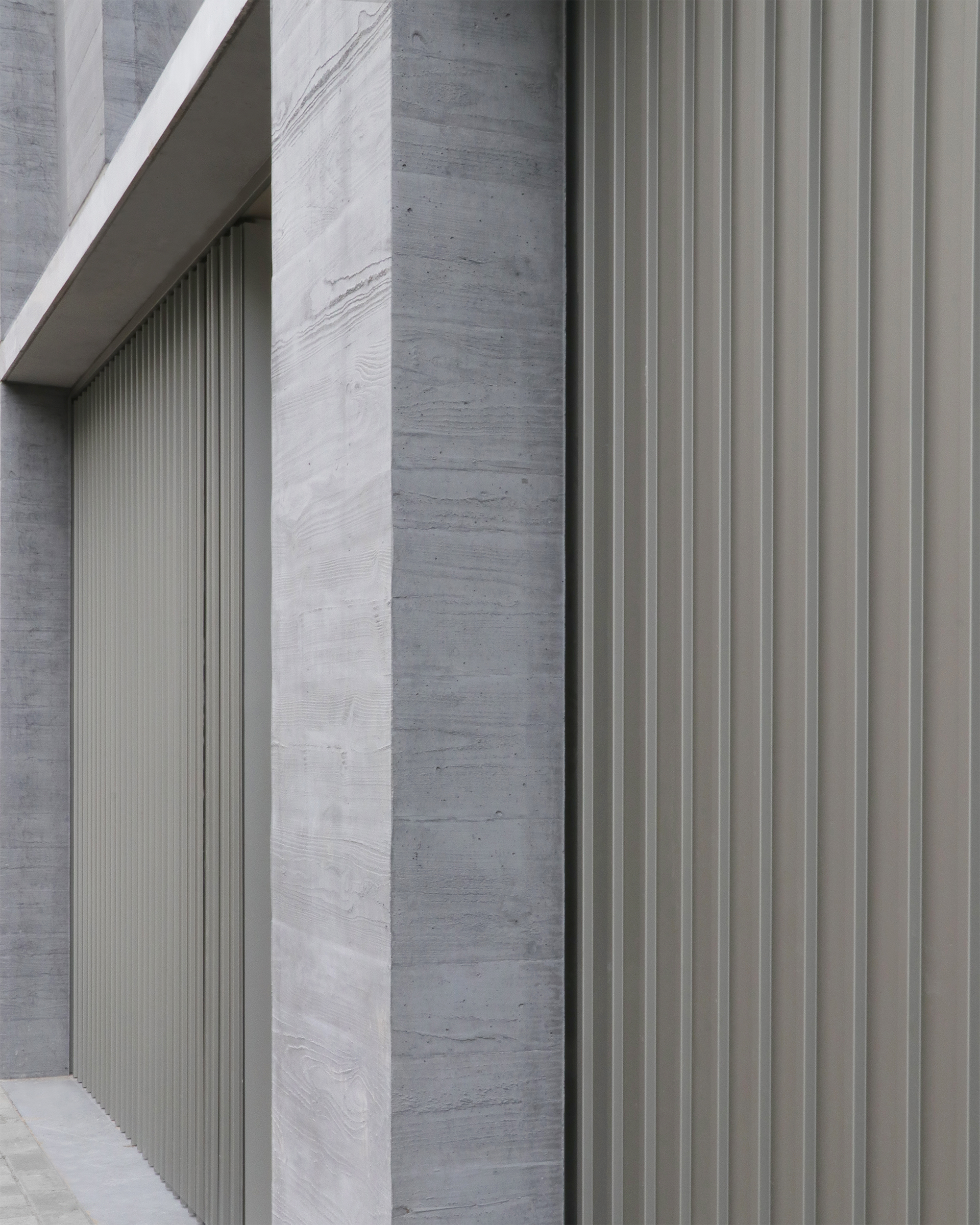
The concrete façade structure has been given multiple surface treatments, such as a surface with a coarse structure for the front façade penants. The penants are poured in traditional wooden molds. The deeper detailed concrete frames are treated to have a more smooth structure in order to create a more subtle difference in texture between coarse and smooth within the concrete materialisation. 


Tiny Places


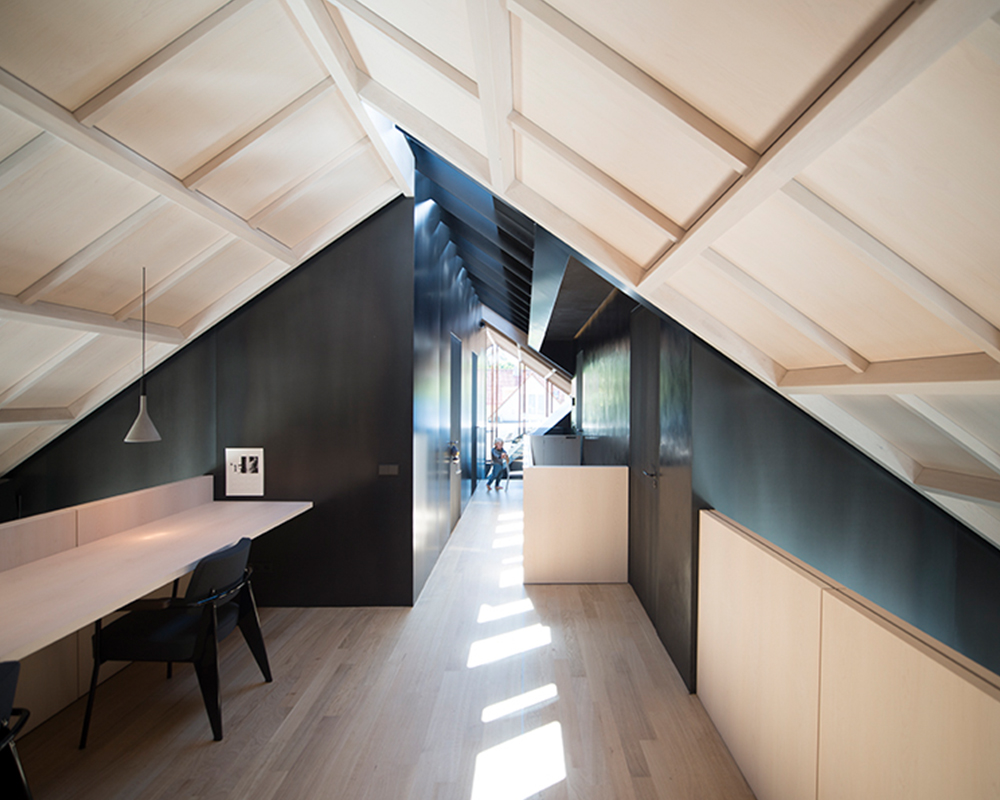
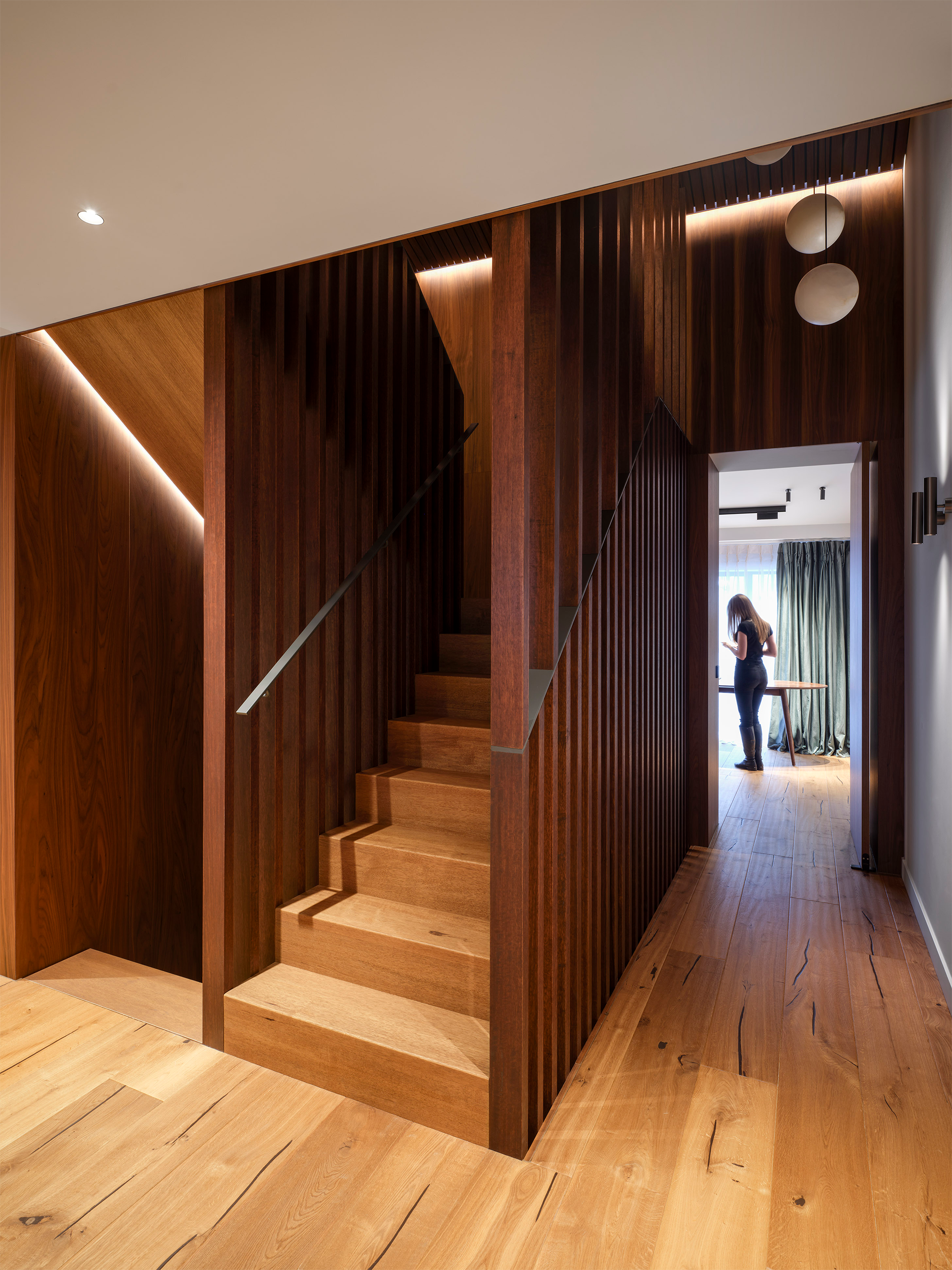
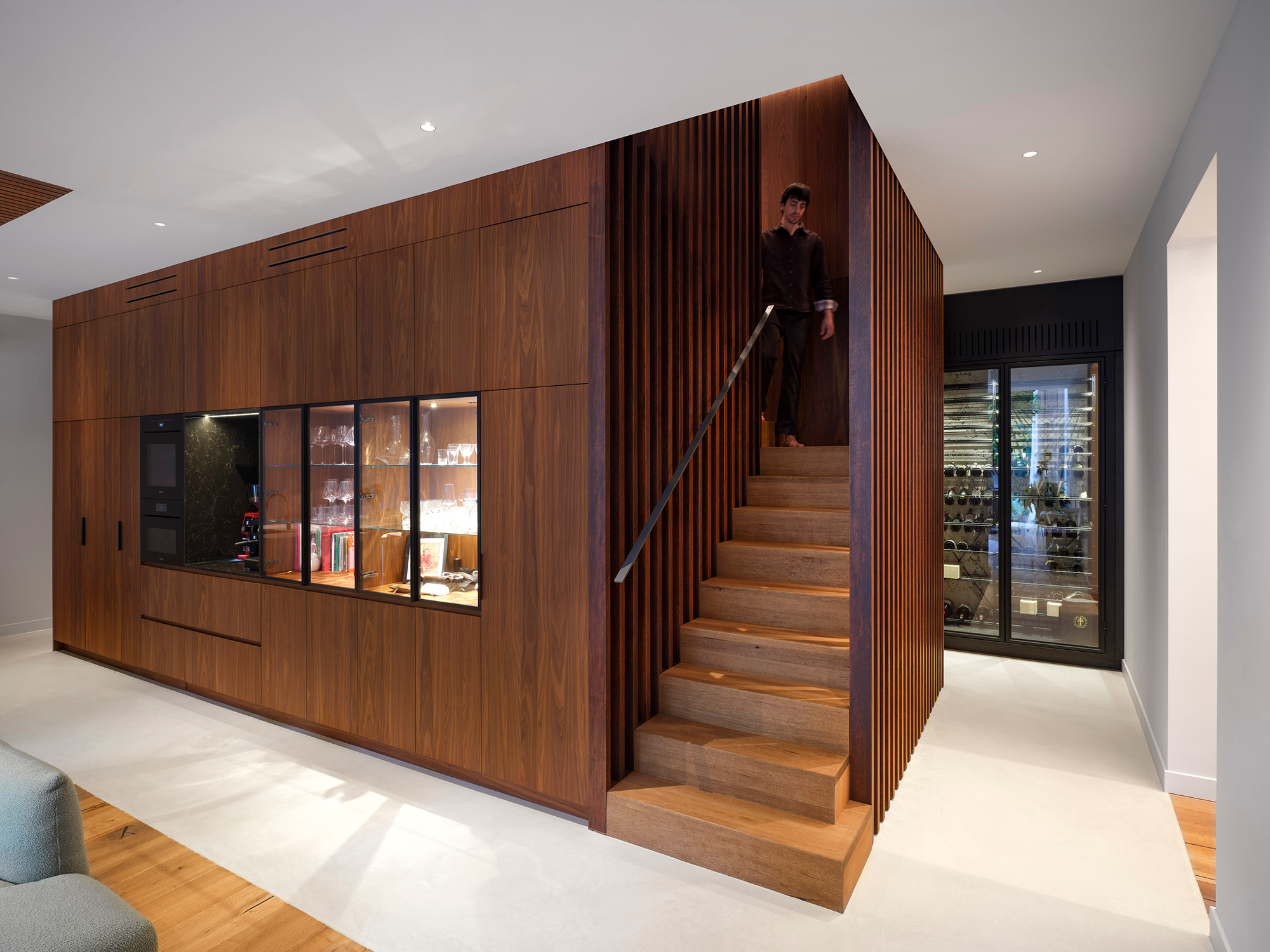
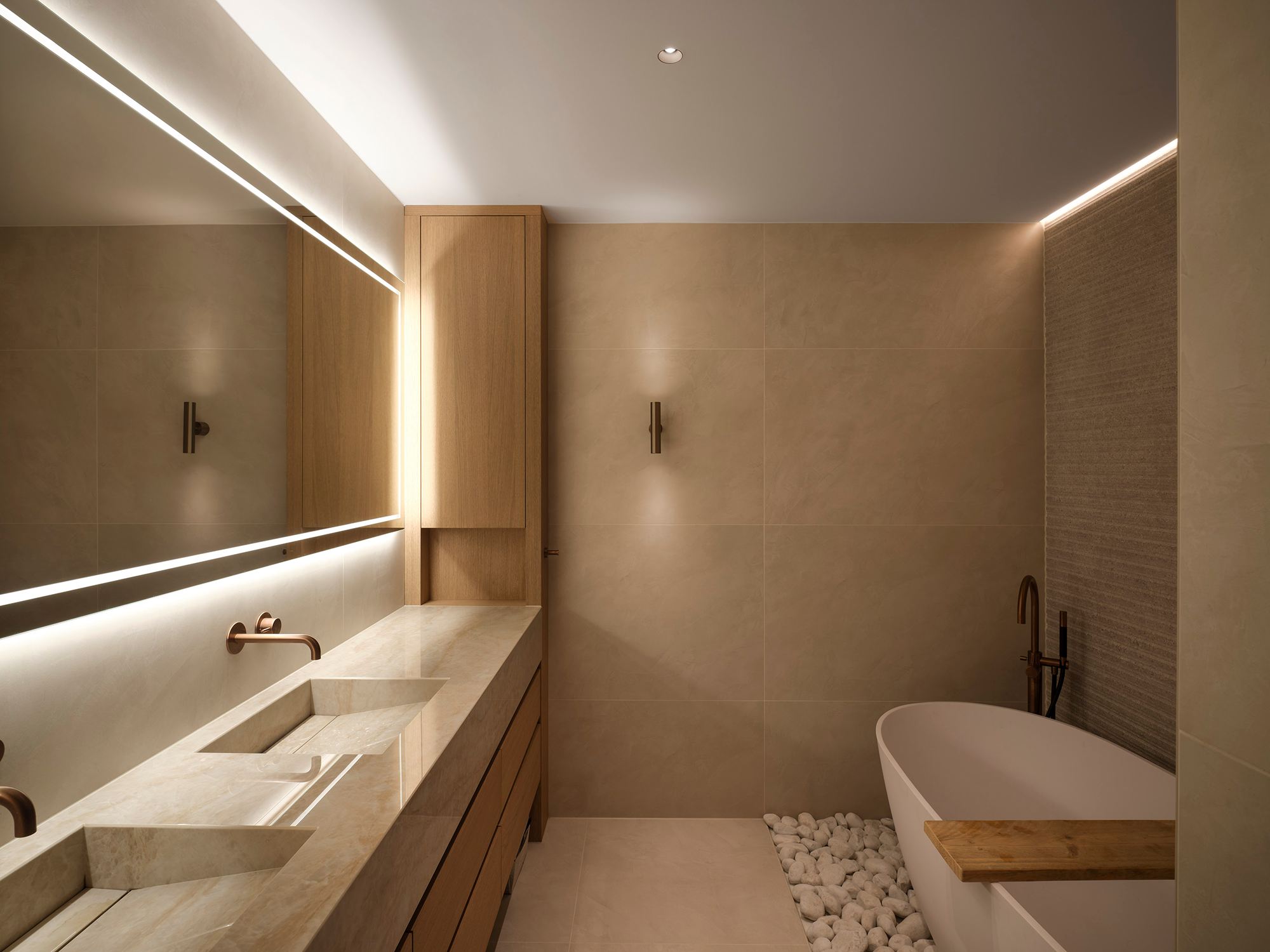
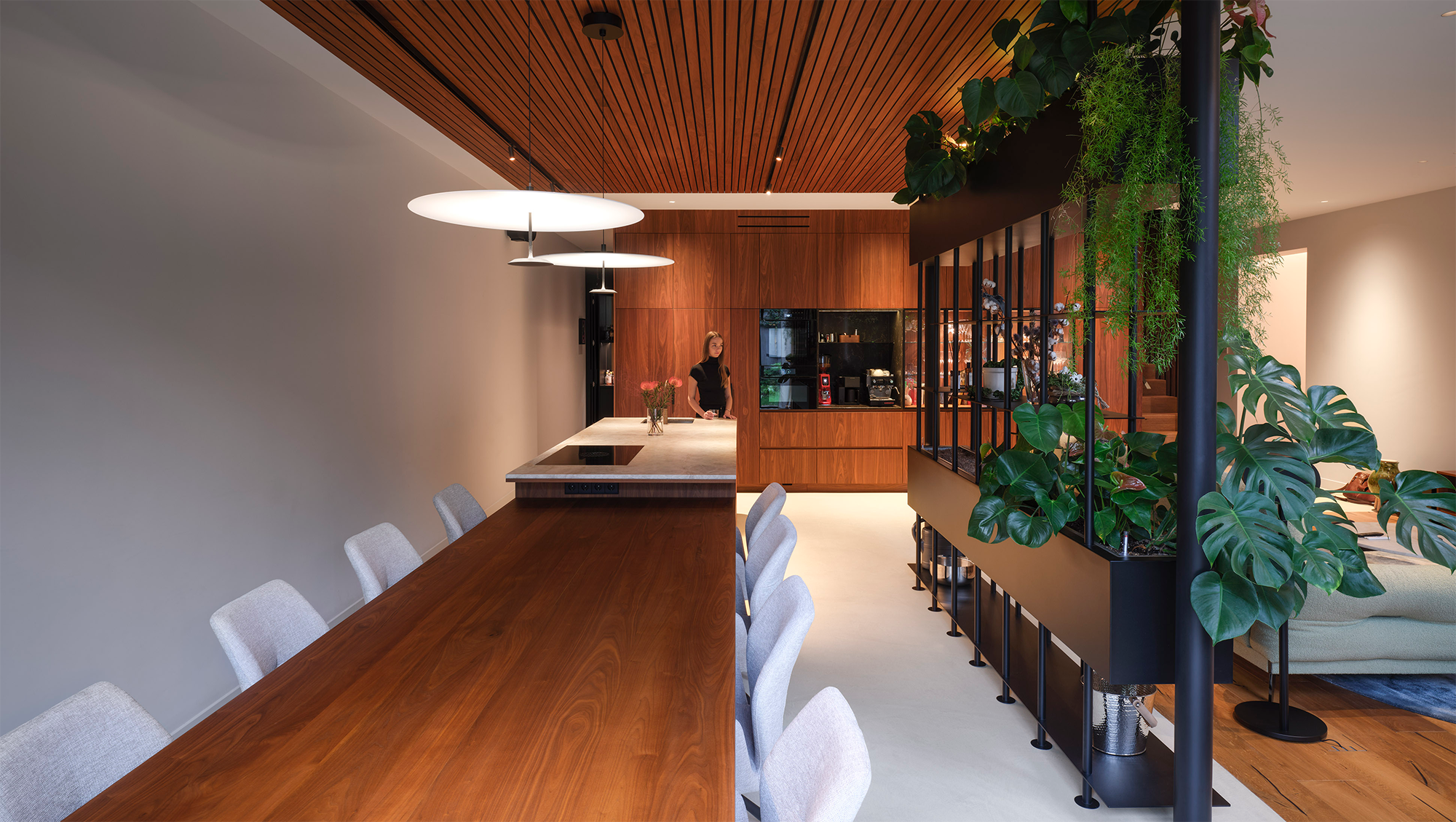
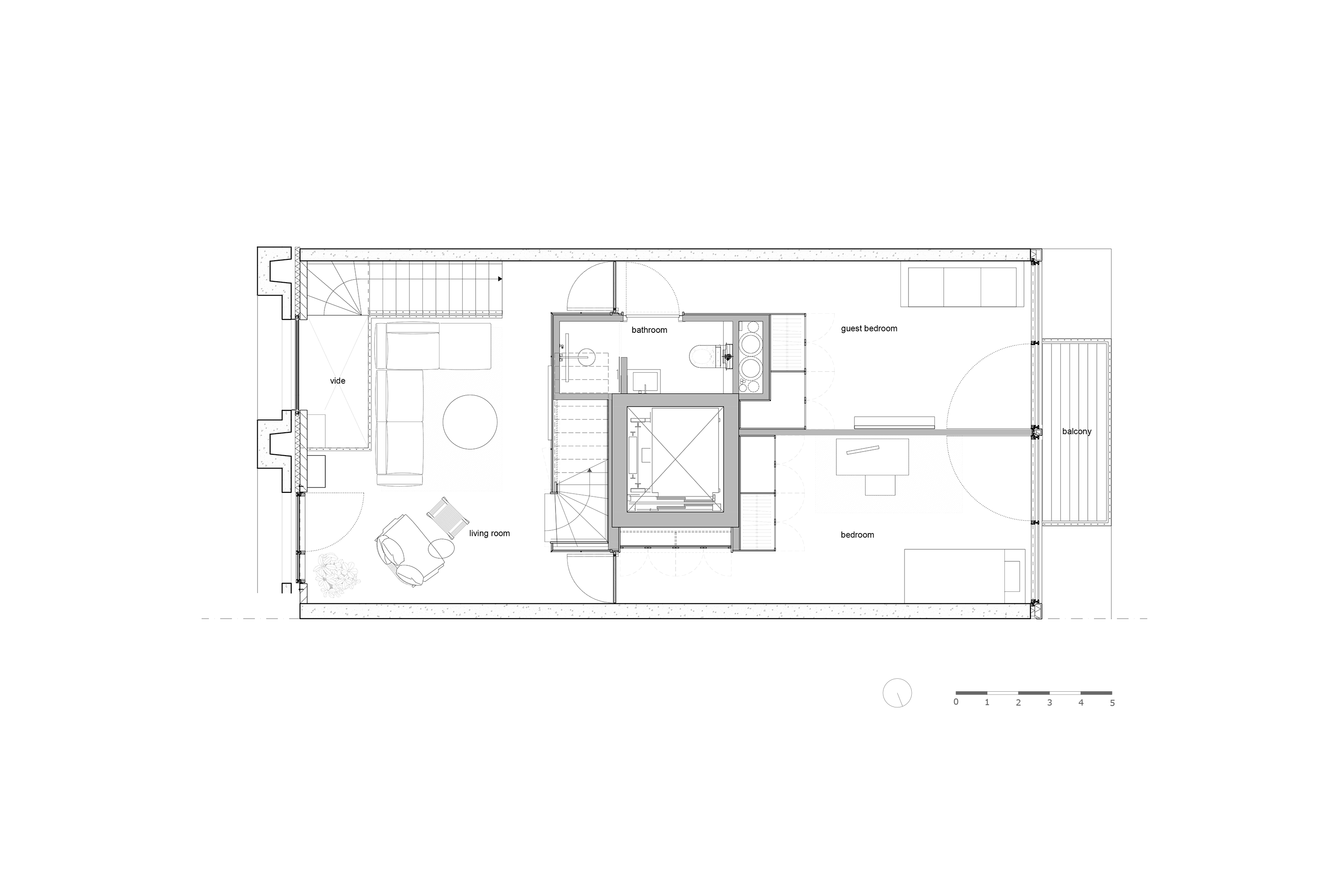
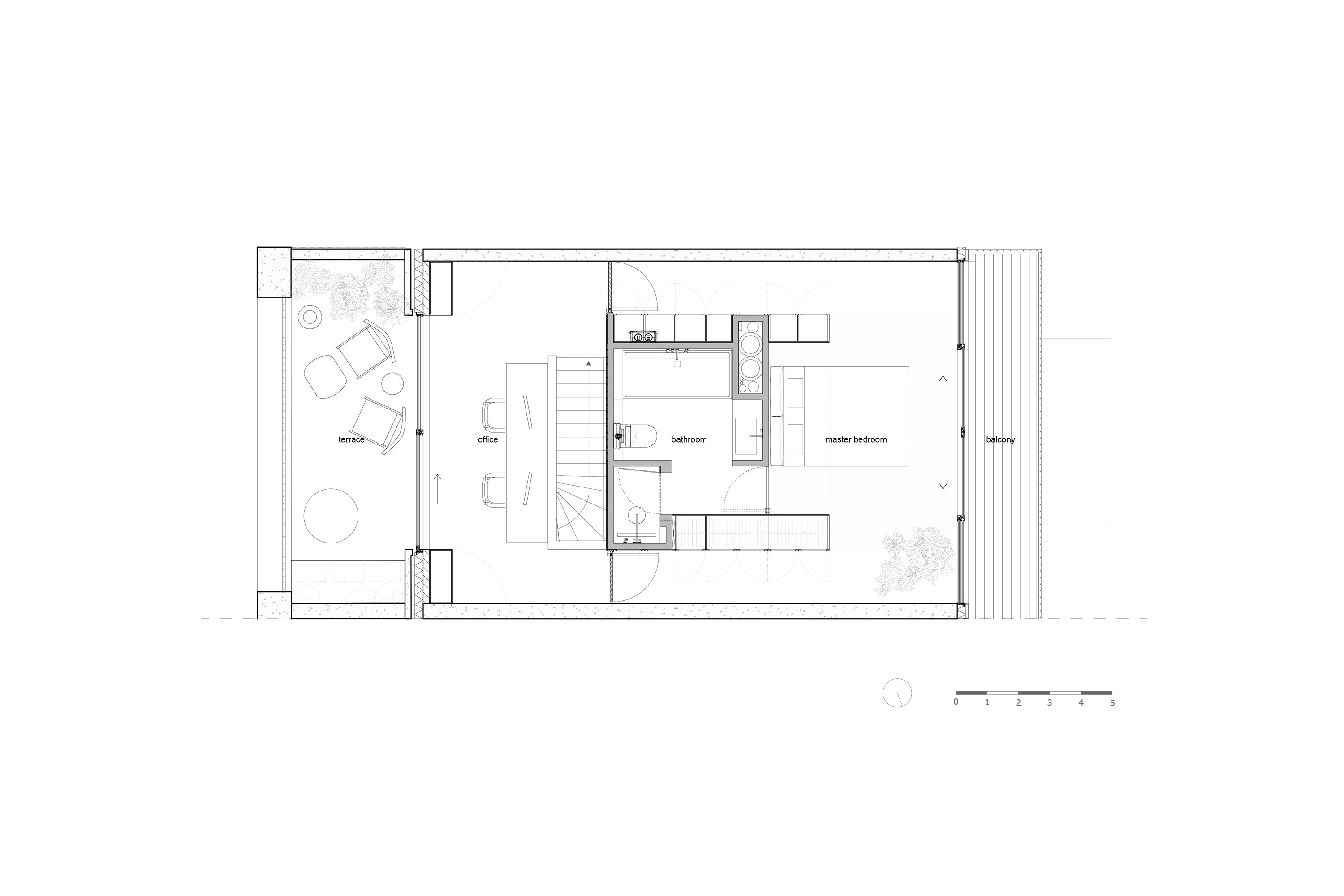
For one of the upper loft apartments in the Vertical Lofts, designed by studio PROTOTYPE, the interior has been carefully crafted to create a warm and inviting atmosphere. Spanning three levels, the apartment is vertically connected through a series of open voids and staircases. In contrast to the building’s bold, concrete exterior, the interior feels subtle, refined, and exceptionally comfortable.


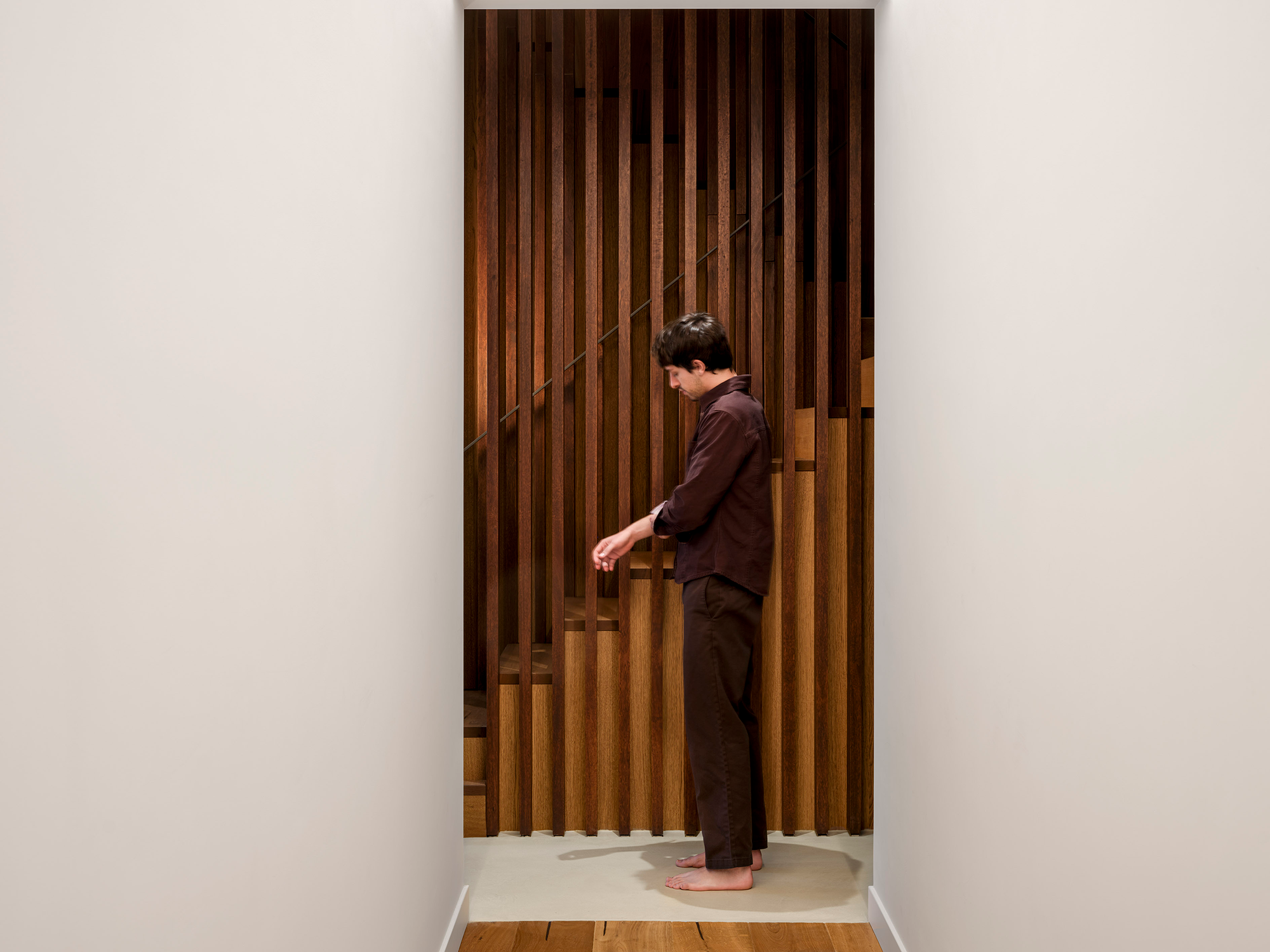
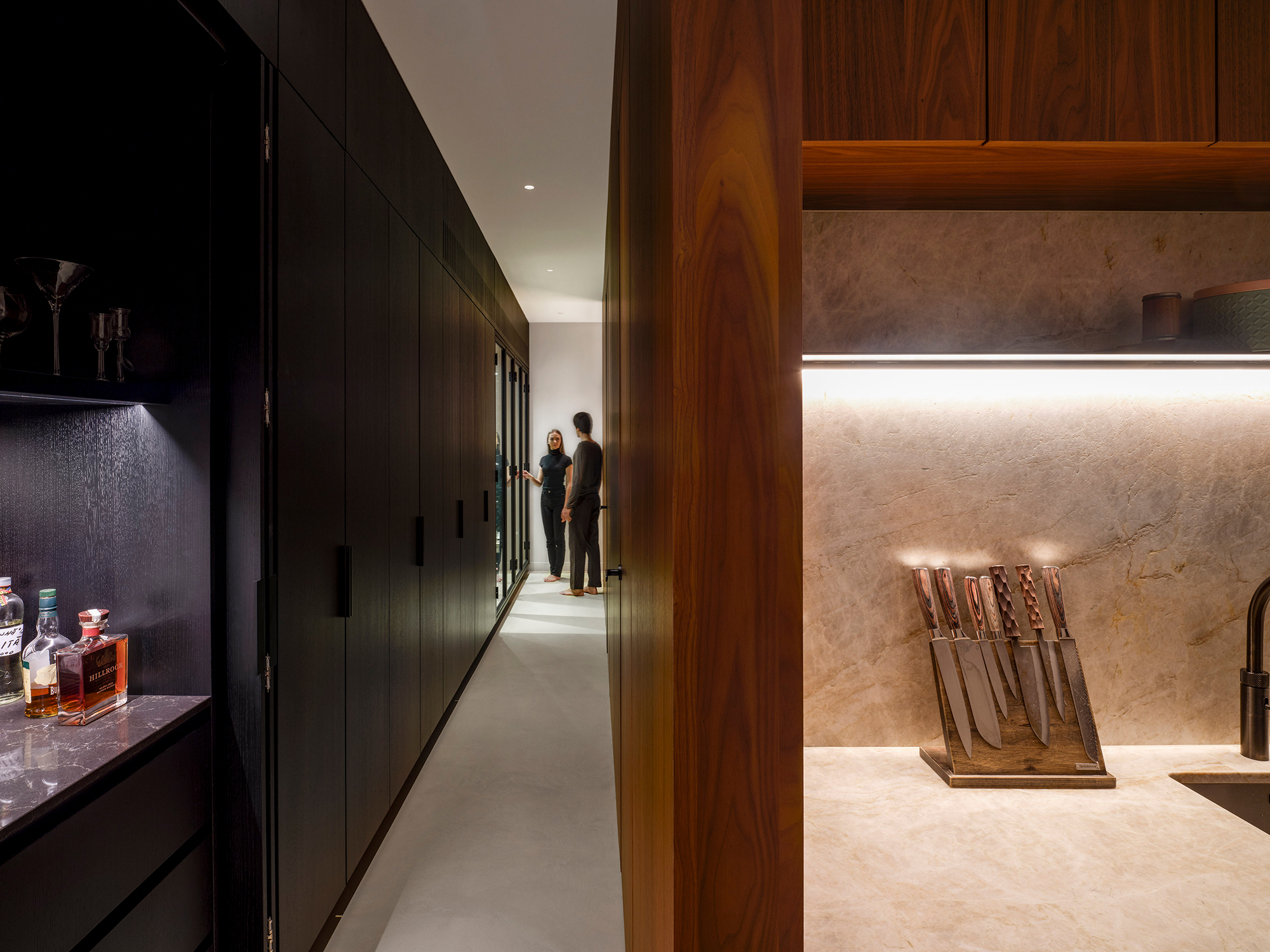
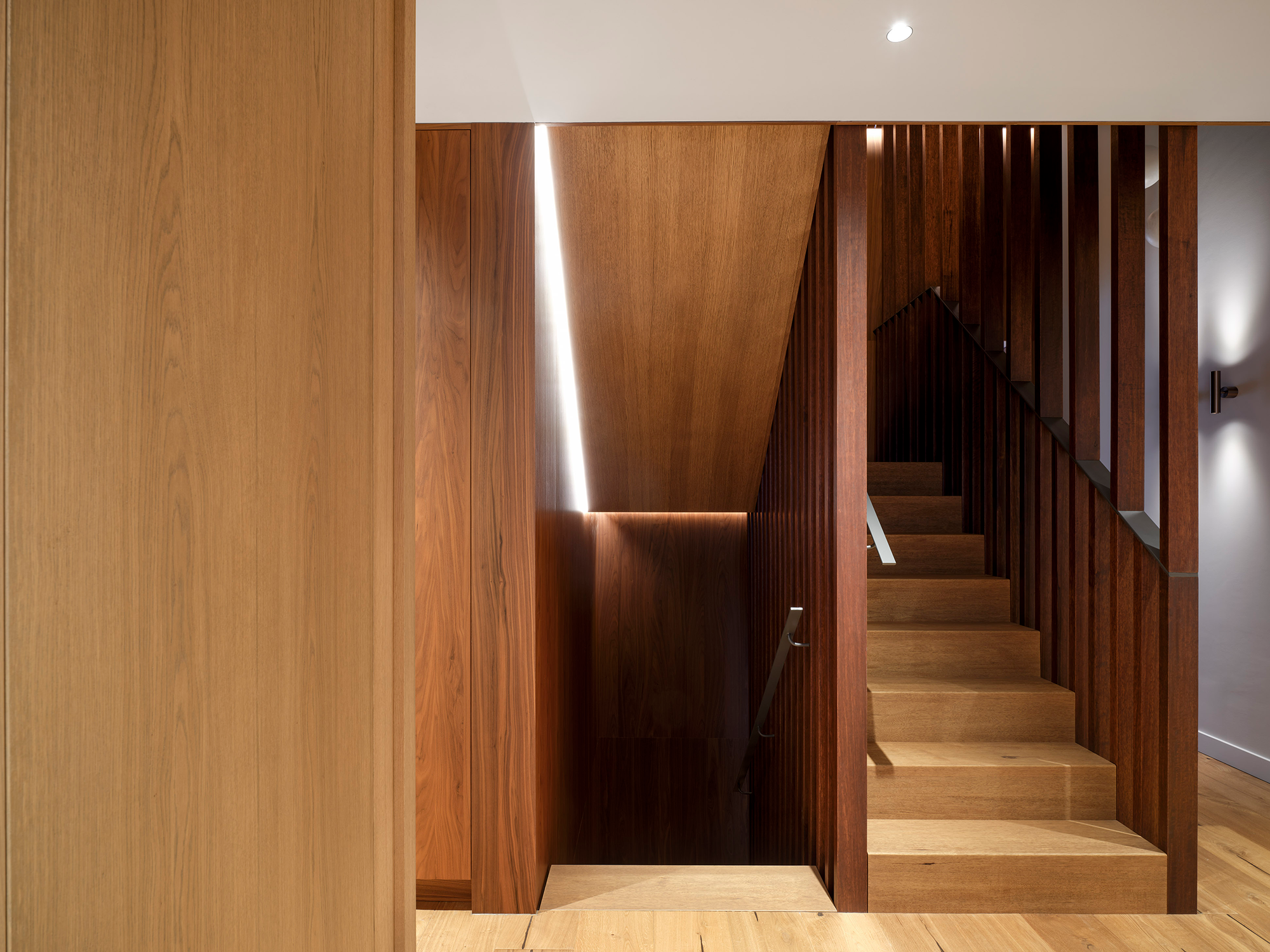
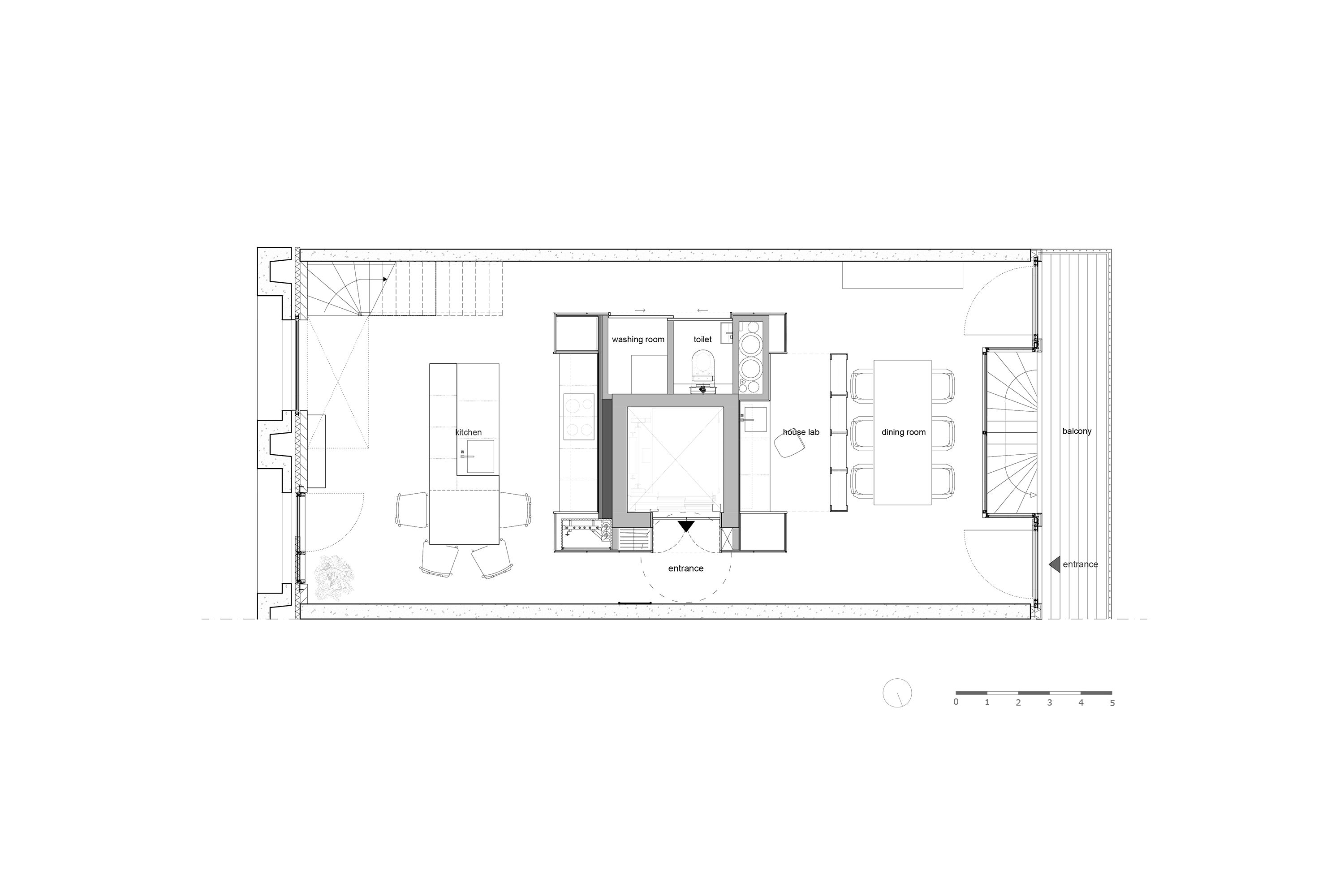
A multi-functional core is built up out of multiple elements all accessible and usable from the living space; such as entrance, cloakroom, kitchen and a closet that houses a complete home laboratory. This core of the building is coated with a special wooden pattern that forms a fine continuous line through the complete house. Different intimate spots are part of this core and give the user a comforting feeling within the interior. The subtle application of natural materials such as straw webbing, oak wood and nature stone are optimally balanced, providing a timeless whole.


More projects


Continue reading

Tiny Places

Tiny Places

Private client

Studio PROTOTYPE approaches architecture as a dialogue between structure and experience. In the Vertical Lofts project, this philosophy is translated into a design that merges architectural expression with interior atmosphere. Each space is conceived as part of a continuous spatial journey rather than a collection of separate rooms.

  • project

    Vertical Lofts / Tiny Places

  • location

    Amstelkwartier

  • client

    Private client

  • function

    loft apartments

  • year

    2019

  • status

    built

  • design

    studio PROTOTYPE

  • project architects

    Jeroen Steenvoorden in collaboration with Jeroen Spee, Mitchel Verkuijlen

  • project team

    Rosella Villani, Luca Vatteroni, Steven Otten, Gijs van Suijlichem, Dieter Vlieghe, Ruben Figueiredo, Jesus, Huerta Chilet

  • collaboration

    Houtwerk bv, ABT, WAM, Smeulders Interieurgroep

  • photos

    Jeroen Musch


Vertical Living


The concept of verticality defines both the exterior and interior of the building. The three levels of the top apartment are connected by voids and staircases that create visual and physical interaction between the floors. This vertical connection enhances openness while maintaining a sense of intimacy within each level.


In contrast to the building’s raw concrete exterior, the interior design emphasizes warmth and tactility. A distinctive wooden core with fine, continuous detailing forms the heart of the home, guiding movement and creating a cohesive material narrative throughout the space.


Intimate Spaces


Studio PROTOTYPE’s design celebrates the human scale within an architectural framework. Small, sheltered corners integrated into the wooden core offer moments of retreat and reflection – demonstrating how thoughtful spatial composition can evoke comfort and connection within a modern urban context.

More projects


Continue reading

Oasen

Oasen

Oasen Gouda

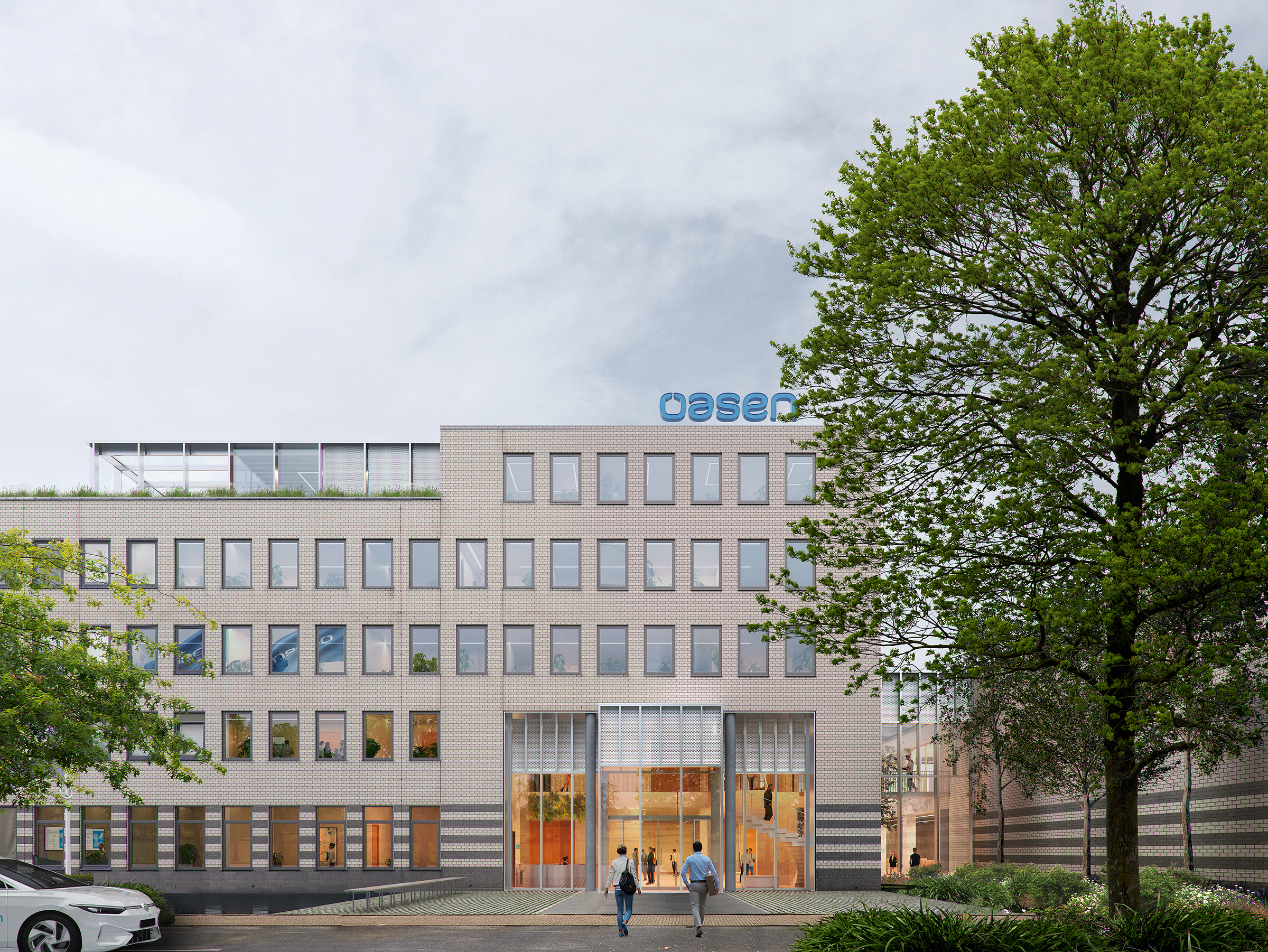
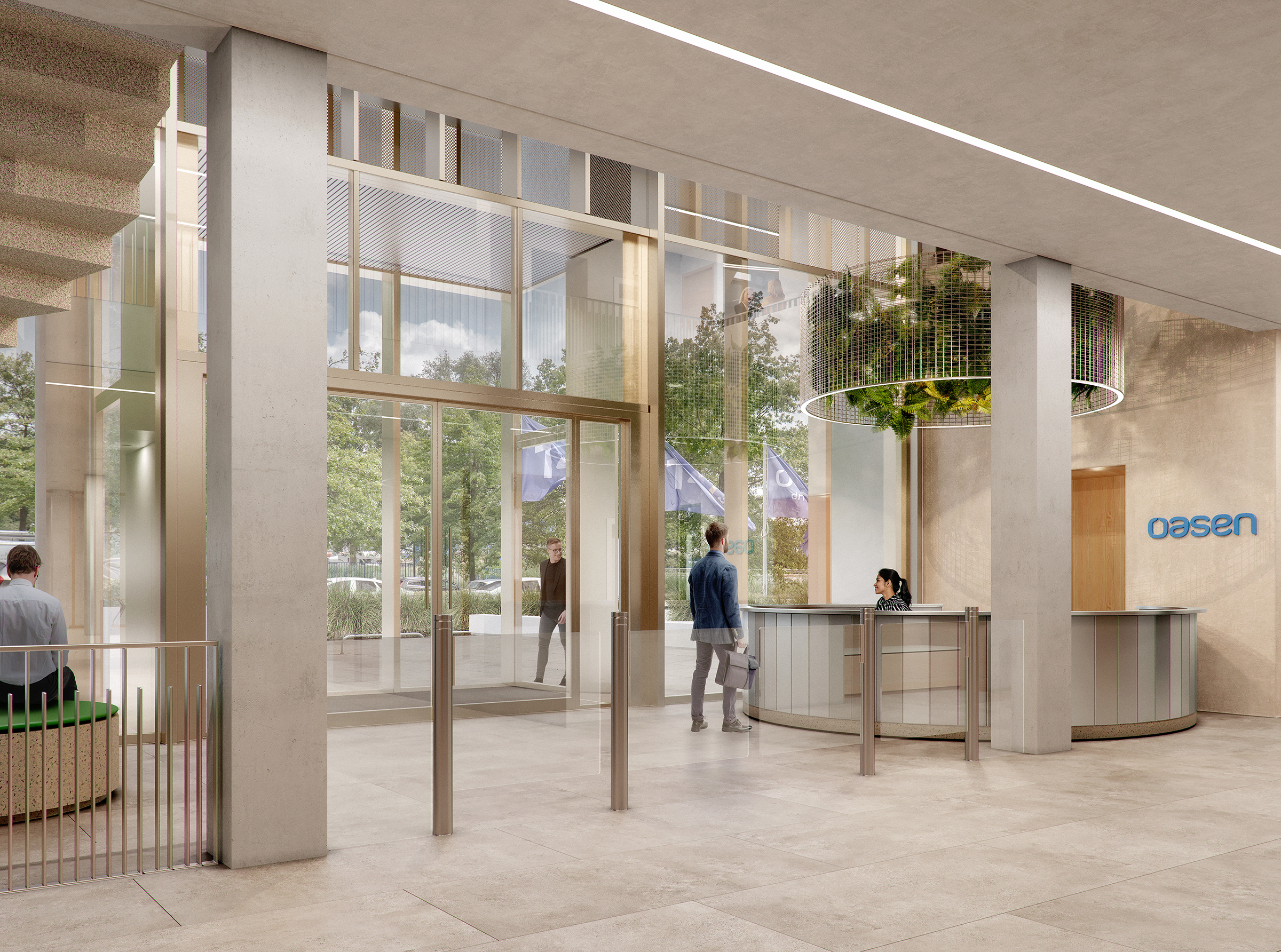
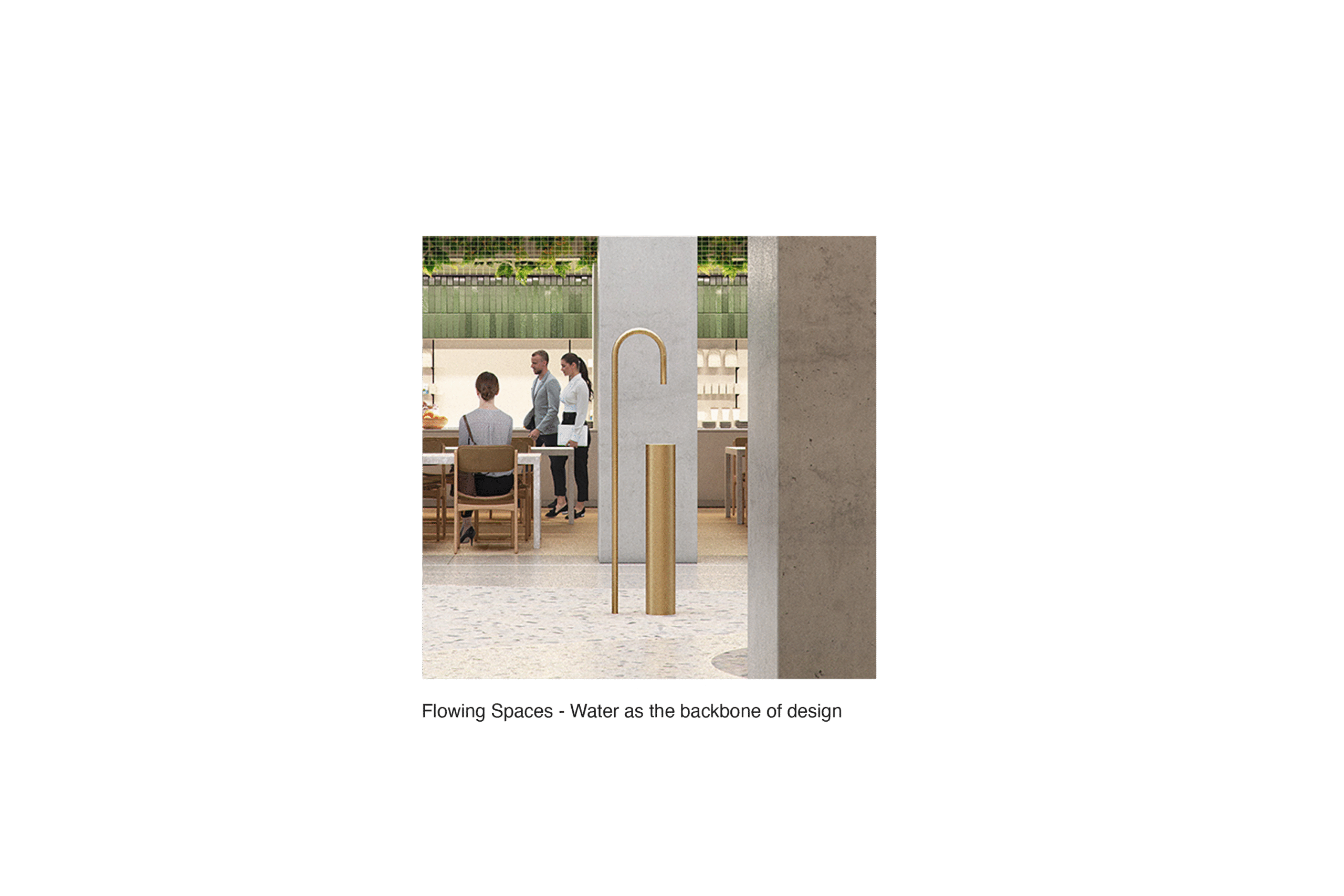
Located at Nieuwe Gouwe Oostzijde in the Nieuwe Park West business area, the site of Oasen can be seen as an oasis within an oasis. This plot is characterized by a lavish amount of surrounding greenery and water. In the design vision, the unique identity of Oasen as a water-supplying company is central; the water itself is subtly integrated not only through the tactility of materials but also by placing actual water features prominently within the meeting area.

  • project

    Oasen

  • location

    Gouda

  • client

    Oasen

  • function

    office

  • size

    5.500 m²

  • status

    in progress

  • design

    studio PROTOTYPE

  • project architects

    Jeroen Steenvoorden in collaboration Jeroen Spee, Juliet Manrho

  • project team

    Olivier Cleijsen, Lucy Lever-Brine, Henrik Holte

  • renders

    Absent Matter


Design and Space Utilization


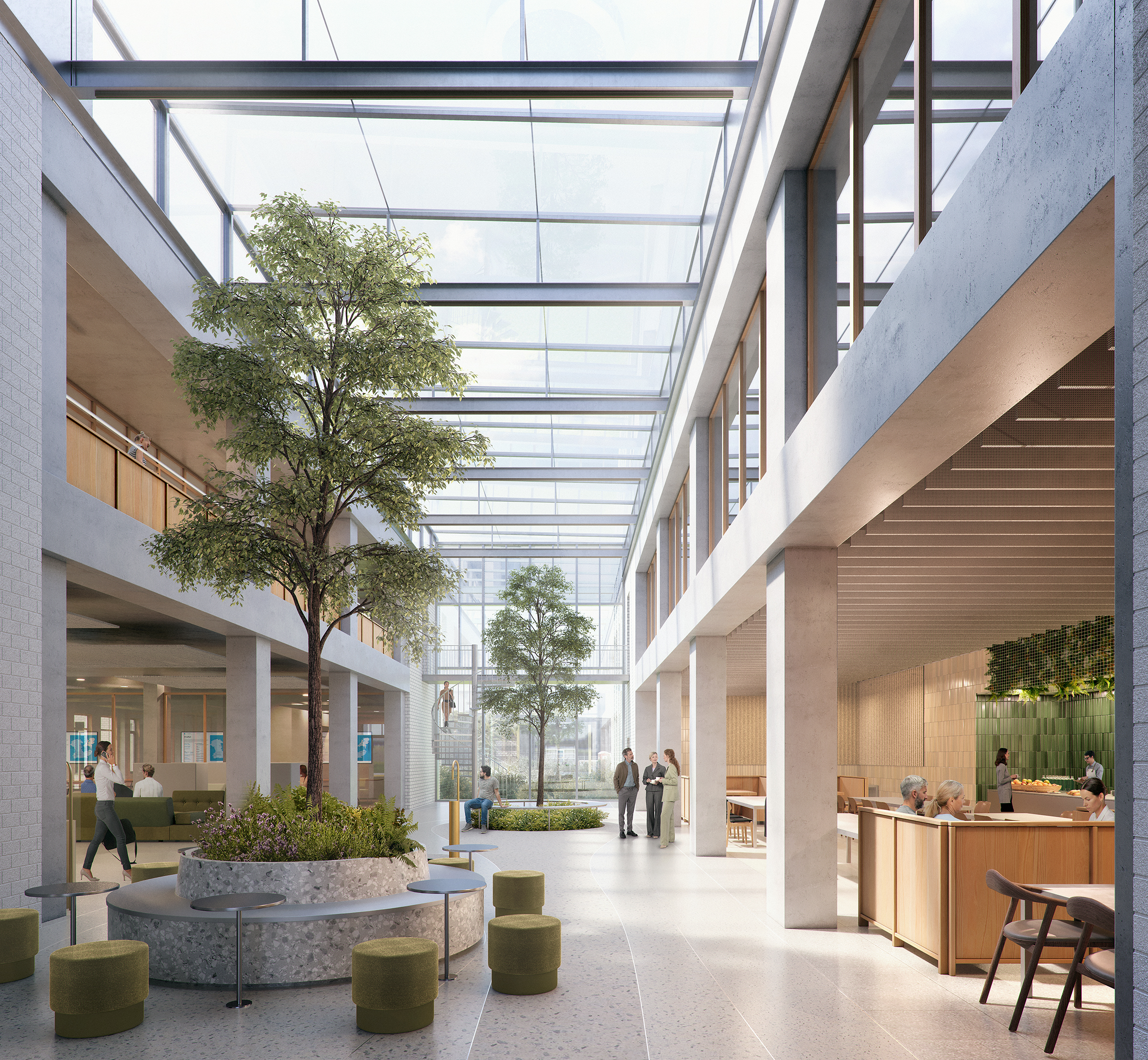
The heart of the meeting area is the new atrium. This former outdoor space forms the natural axis between the entrance zone and the garden to the west. Covered by an innovative technical atrium roof, it subtly allows daylight, air, and spaciousness to enrich this green gathering place for employees. The materialization, green fill, and overall experience of the atrium make it a place where one feels the outdoor green environment yet remains an integral part of the entire meeting and restorative area.


The layout of the work area facilitates new connections and enables the ‘flow’ of people, thereby fostering encounters and collaboration. The design concept relies on an intuitive arrangement of floor plans ranging from quiet to bustling areas, offering a diversity of suitable workspaces and atmospheres. 

On the fourth floor, a reduced-size meeting/workshop pavilion has been reintroduced, providing Oasen a low-cost opportunity to also take advantage of this unique location with views over the city and the green retention roof for more private discussions outside the meeting area. The materialization concept uses timeless sustainable materials that uniquely complement the theme of the water landscape and add identity to the place.


More projects


Continue reading

Quay House

Quay house

Private Client

IJburg exists out of a number of islands in the IJ lake and is situated east of Amsterdam. On one of the islands, called Rieteiland, a DIY-building lots have been released by residential foundation De Key. The quay of the island is characterized by a large variety of free lot residential houses. On one of these DIY-lots PROTOTYPE designed a modest residential building as a modern translation of the traditional quay houses.

  • project

    Quay House

  • location

    Amsterdam

  • client

    Private client

  • function

    residential

  • size

    300 m²

  • year

    2018

  • status

    built

  • design

    studio PROTOTYPE

  • project architect

    Jeroen Steenvoorden in collaboration with Jeroen Spee, Steven Otten,  Maarten v. Kesteren

  • project team

    Luca Vatteroni, Gijs van Suijlichem, Ruben Figueiredo, Jésus Huerta Chilet, Sjoerd van Greevenbroek, Adam Bednańk, Marjolein Tolsma, Lana Montfort, Dieter Vlieghe, Rossella Villani

  • photos

    Jeroen Musch


Connection between 

multiple levels


In the centre of the building a mass and a void are created. The void has been designed as a high and sacral space, creating connection and interaction between the multiple levels and spaces in the house. The mass organizes and shares the building in a front and back house. The core is being pierced by the stairs, which playfully connects the different spaces, from living areas to the bedrooms.


The balance between the masses of the stairs and the lightness of the void can be felt clearly from different positions in the house. Modest hues and materials have been chosen to connect in colour and tactility of the base material concrete. As a result, this created synergy between colour and texture of the chosen materials and finishing a serene atmosphere arises. In combination with the dramatic light, the core of the house becomes a space for reflection and serenity.


More projects


Continue reading