The Hidden House
Hidden within
the Urban Fabric
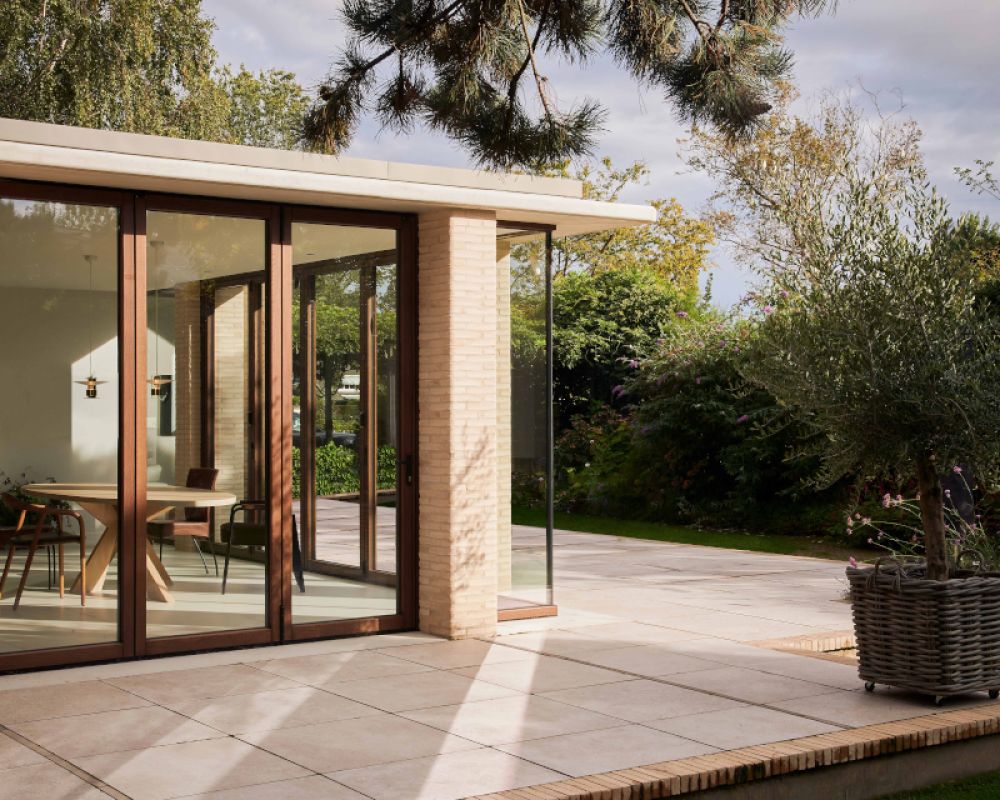
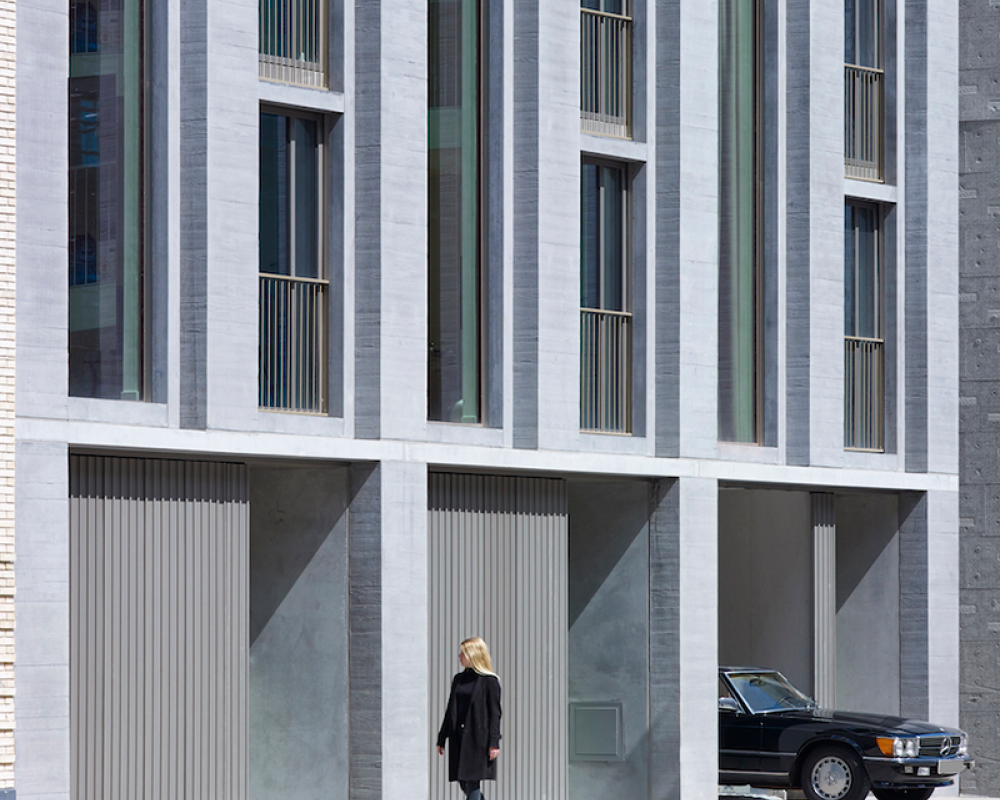
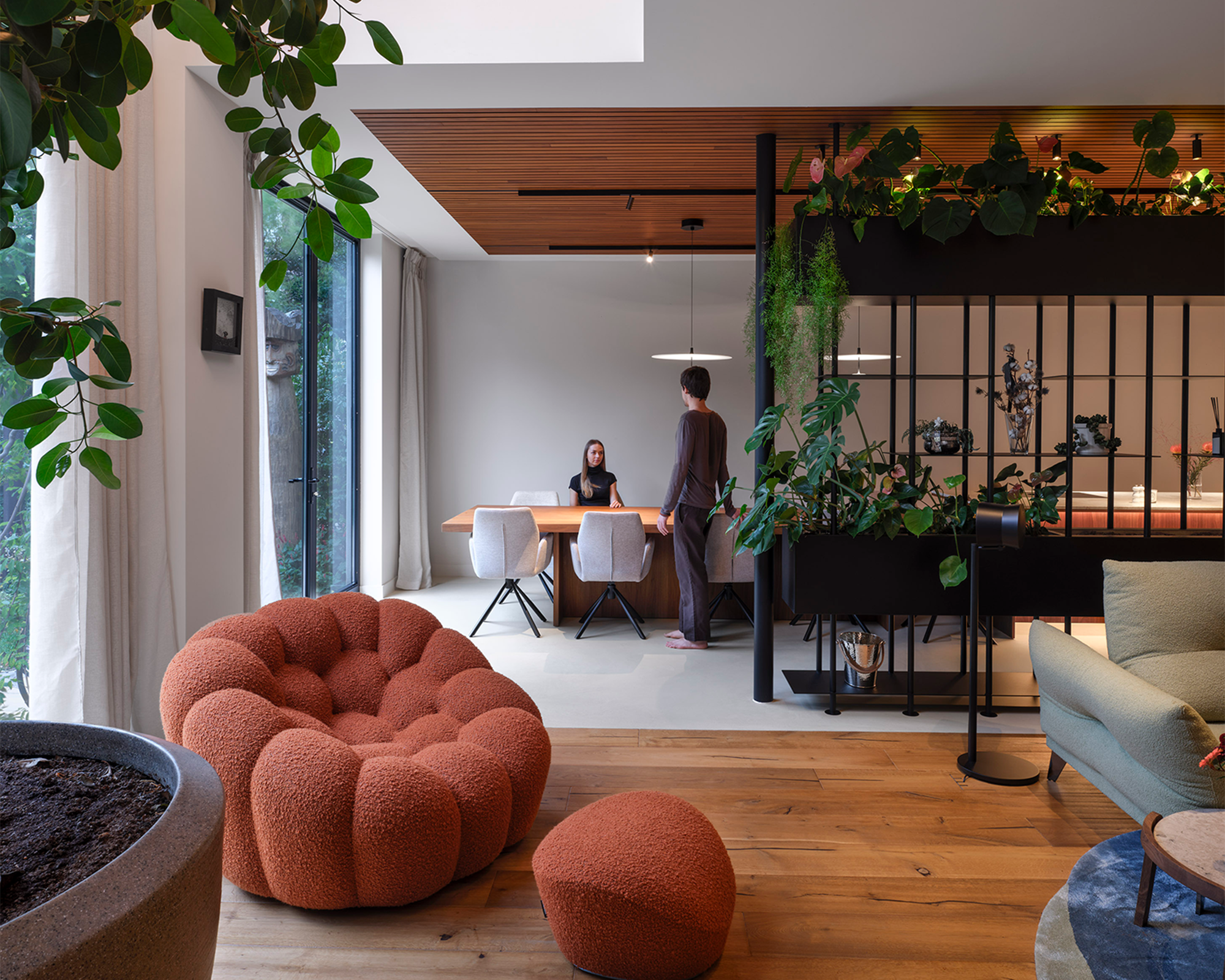
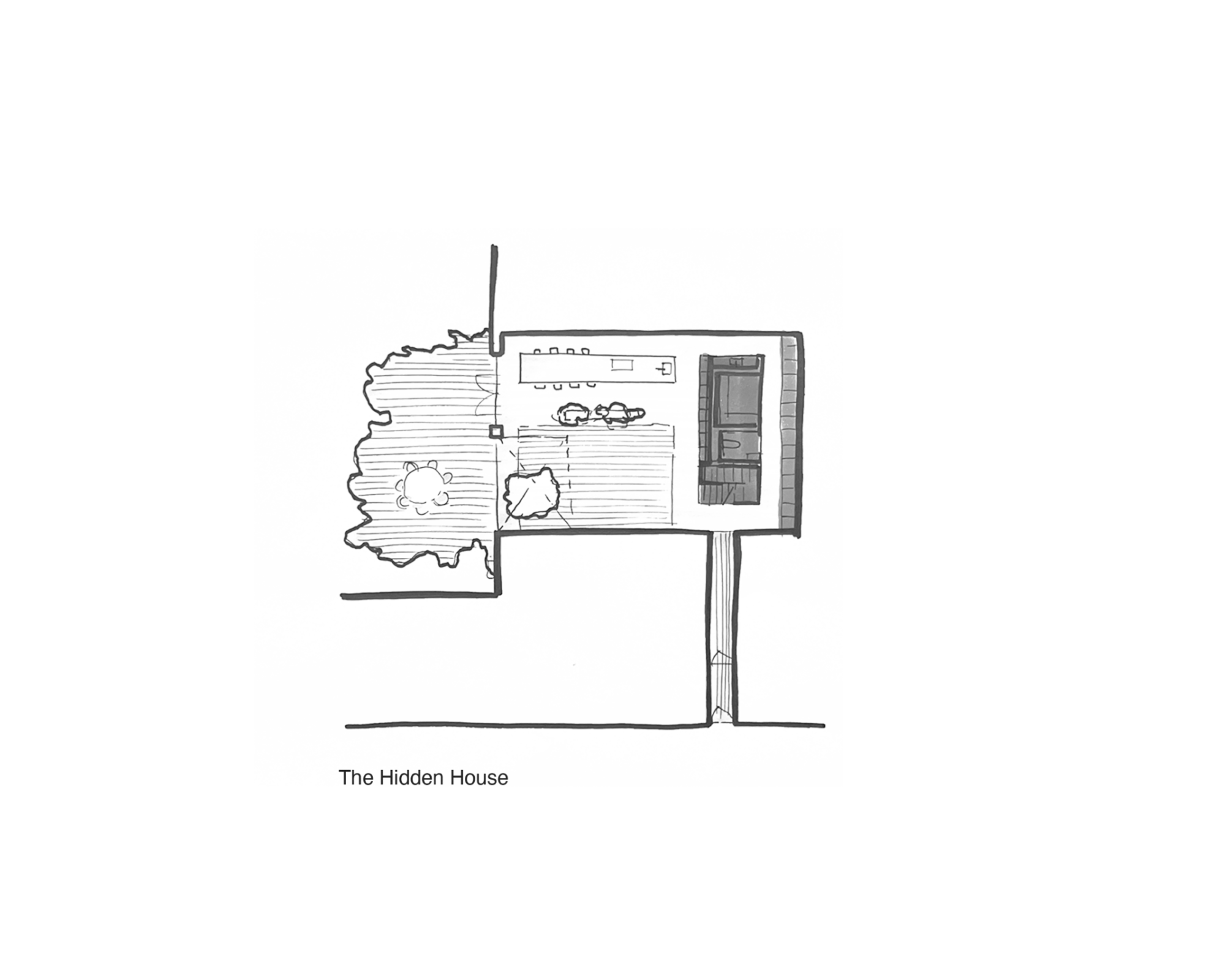
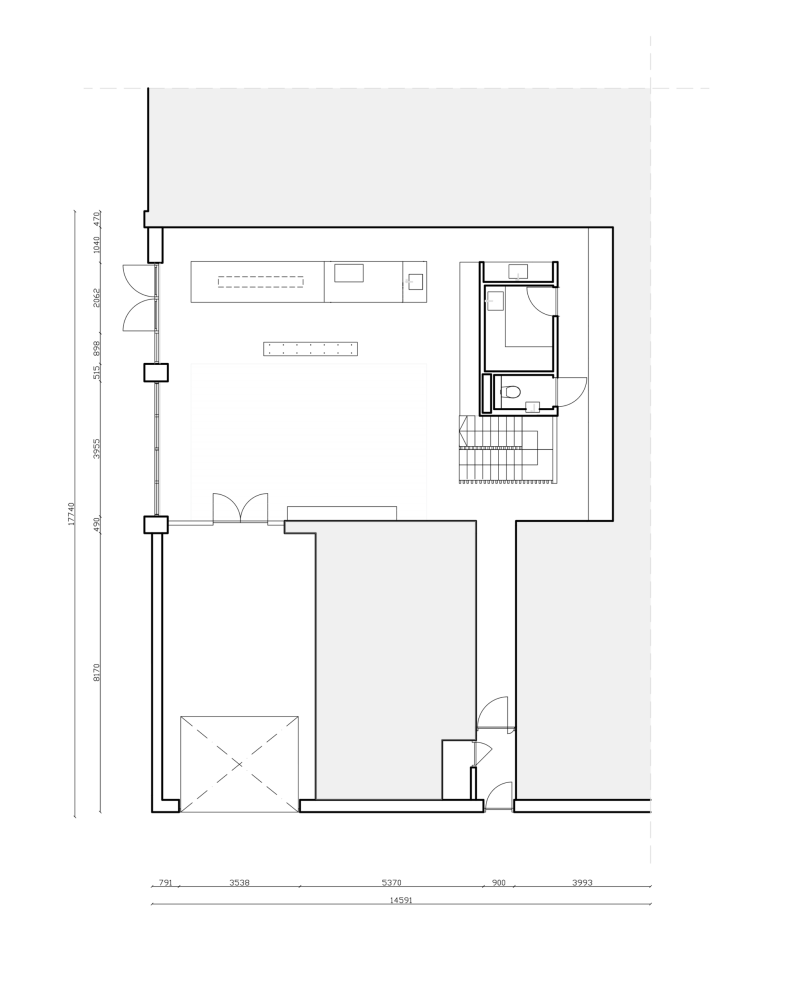
Located deep within the dense urban structure of the Jordaan, Hidden House deliberately withdraws from the city. Invisible from the street and without a conventional urban façade, the dwelling turns entirely inward, opening onto two enclosed gardens. This condition became the starting point for a quiet residential retreat – a protected and green interior world embedded in the heart of Amsterdam.

A Central Wooden Core
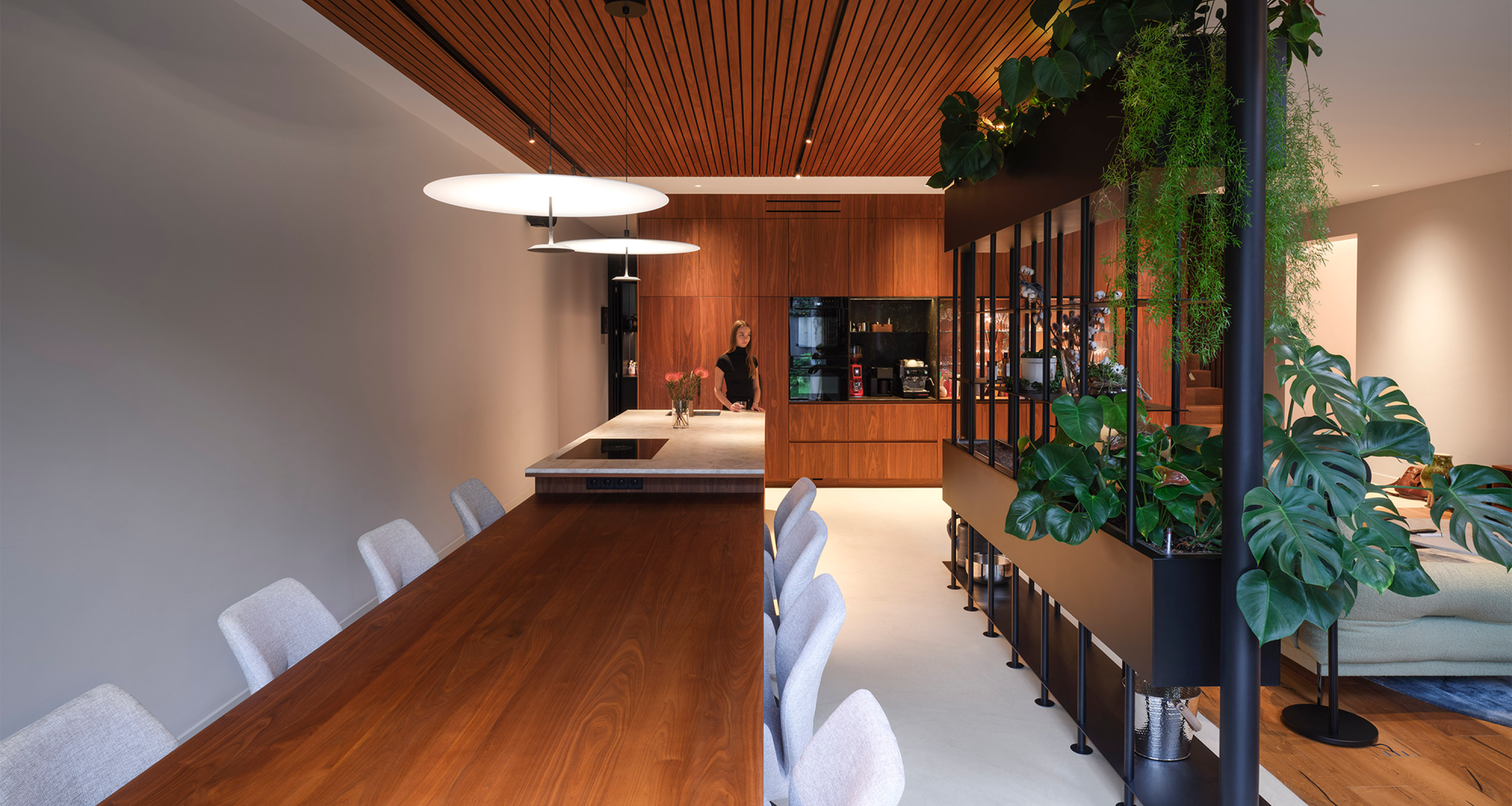
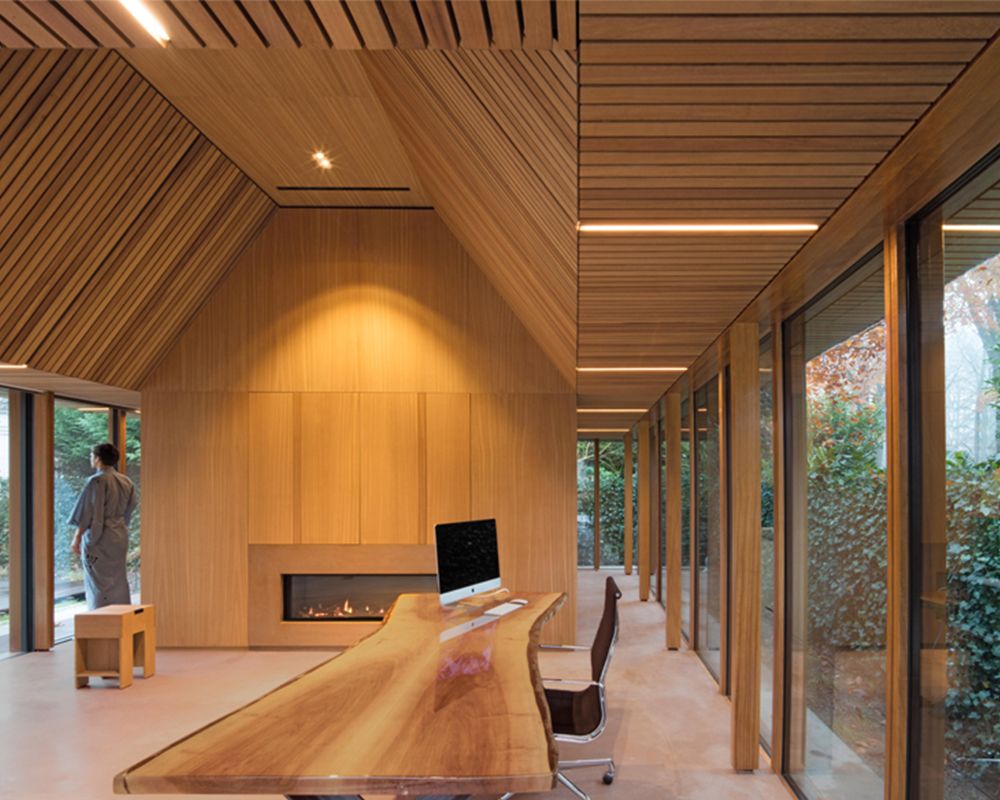
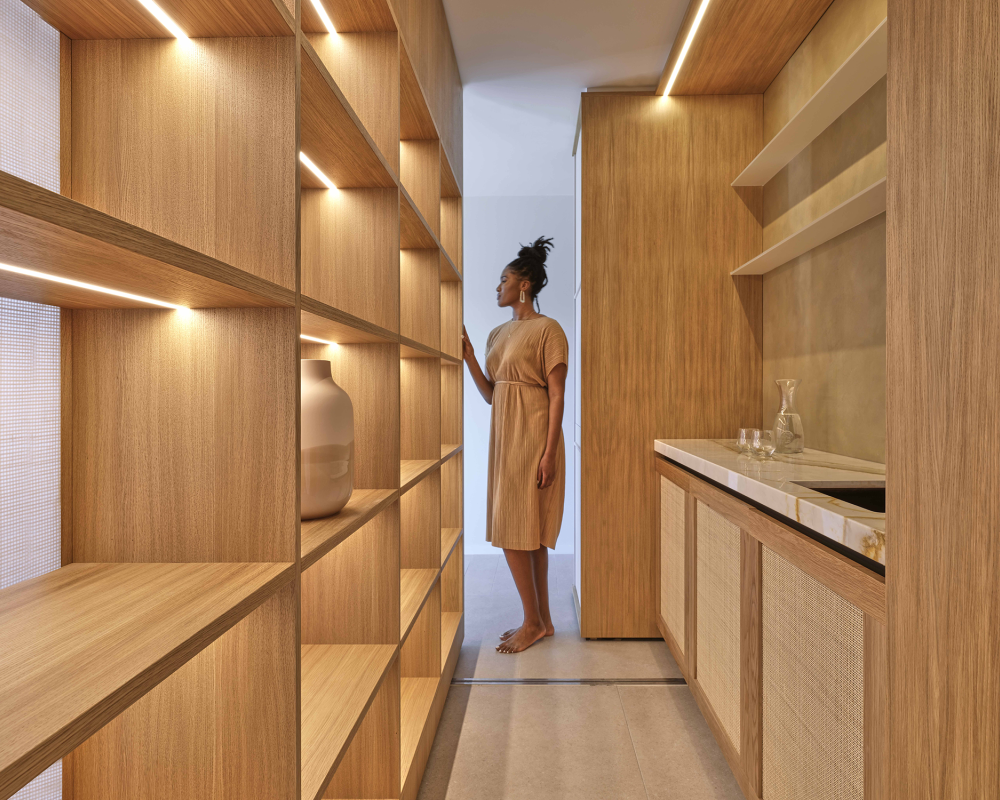
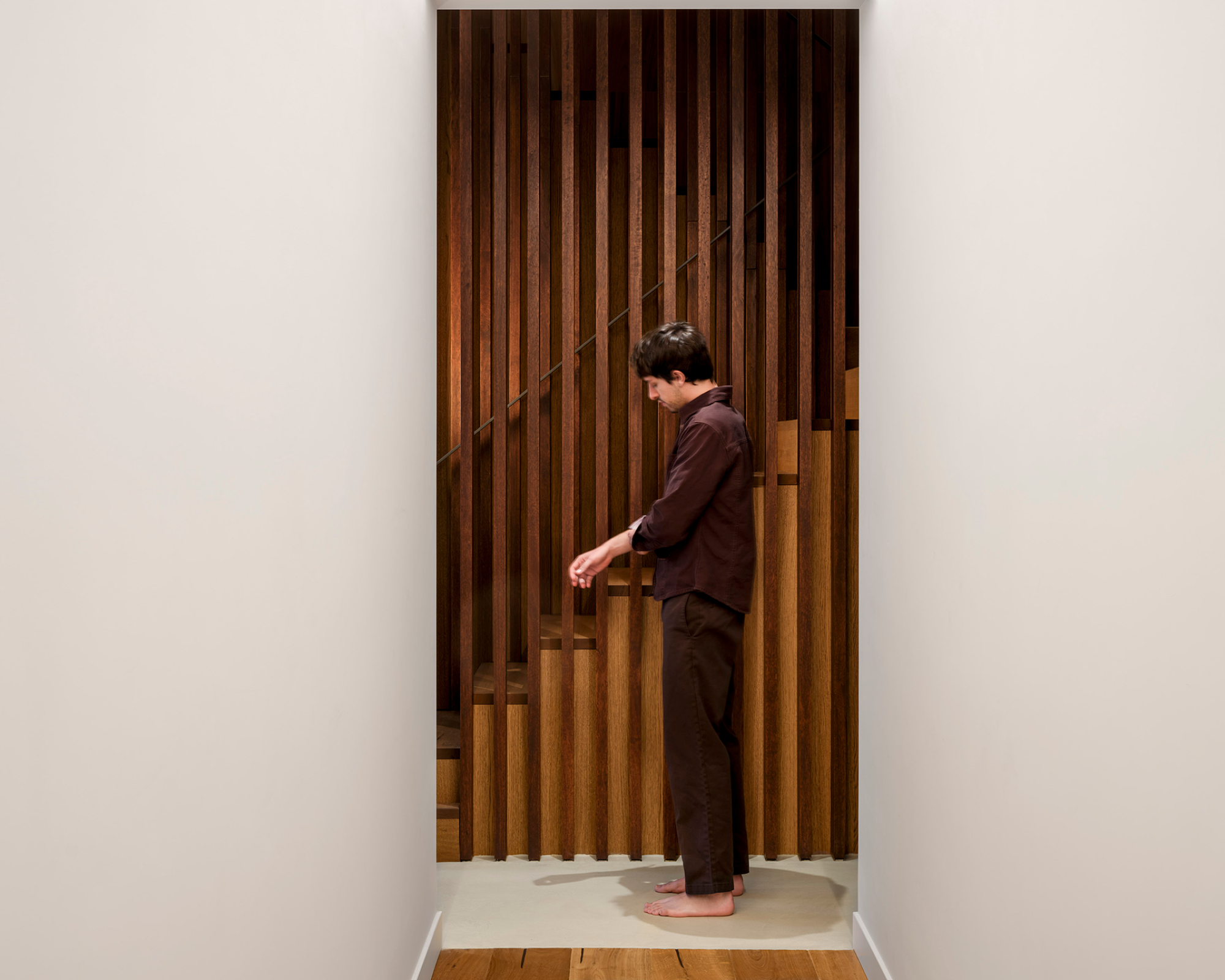
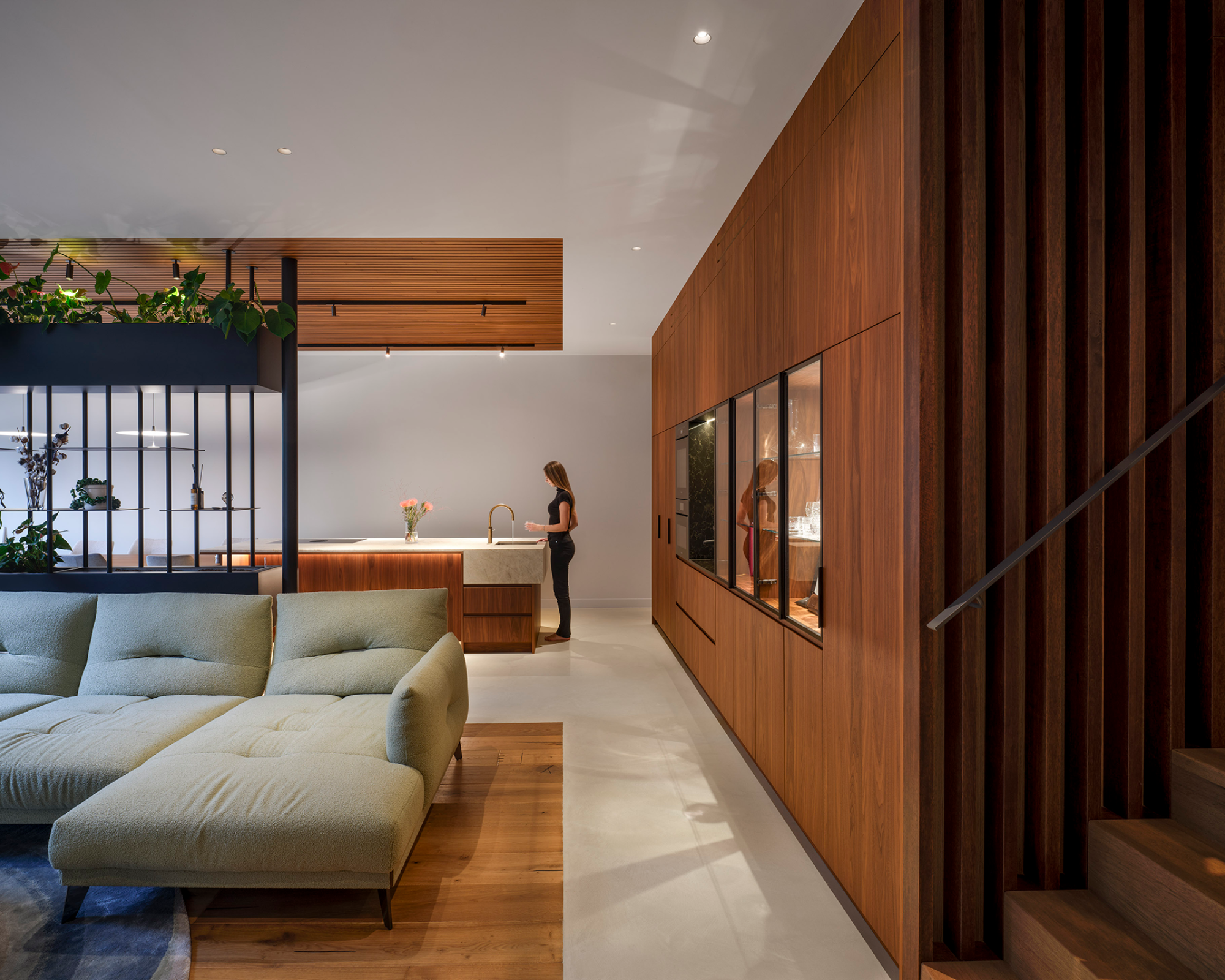
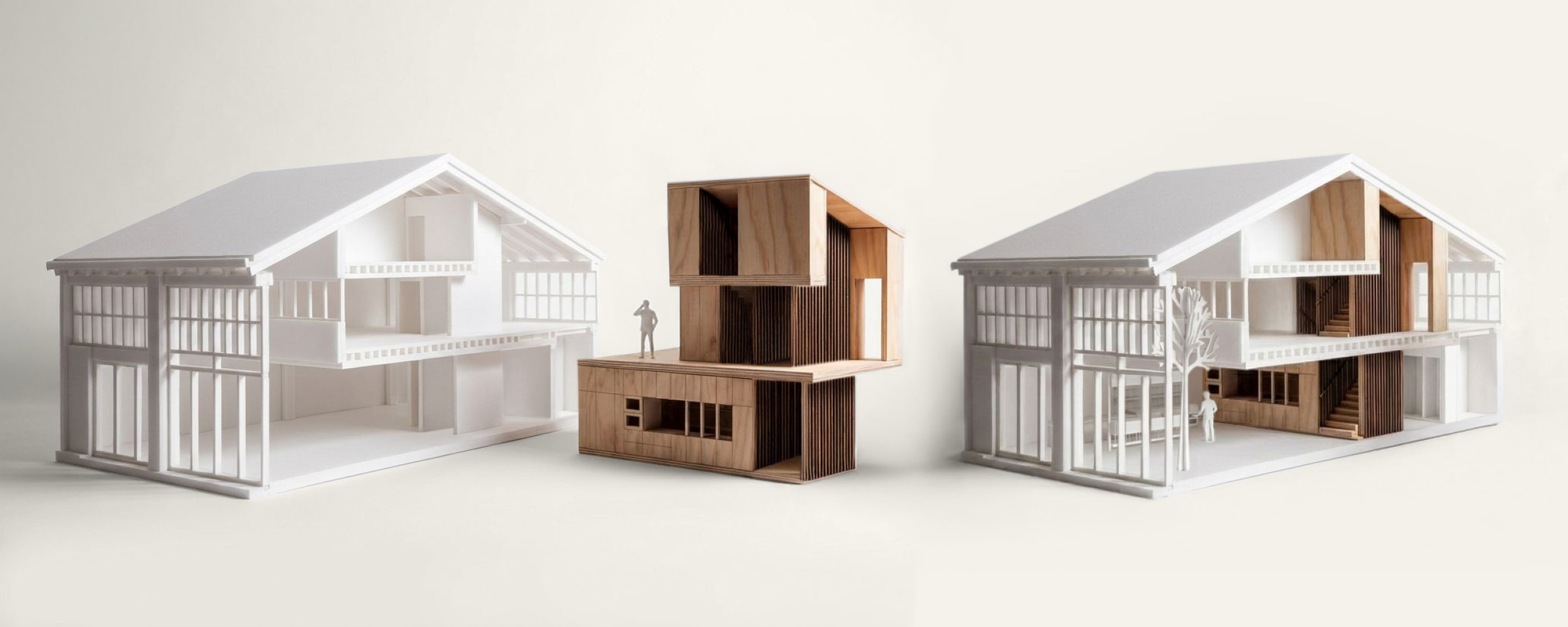
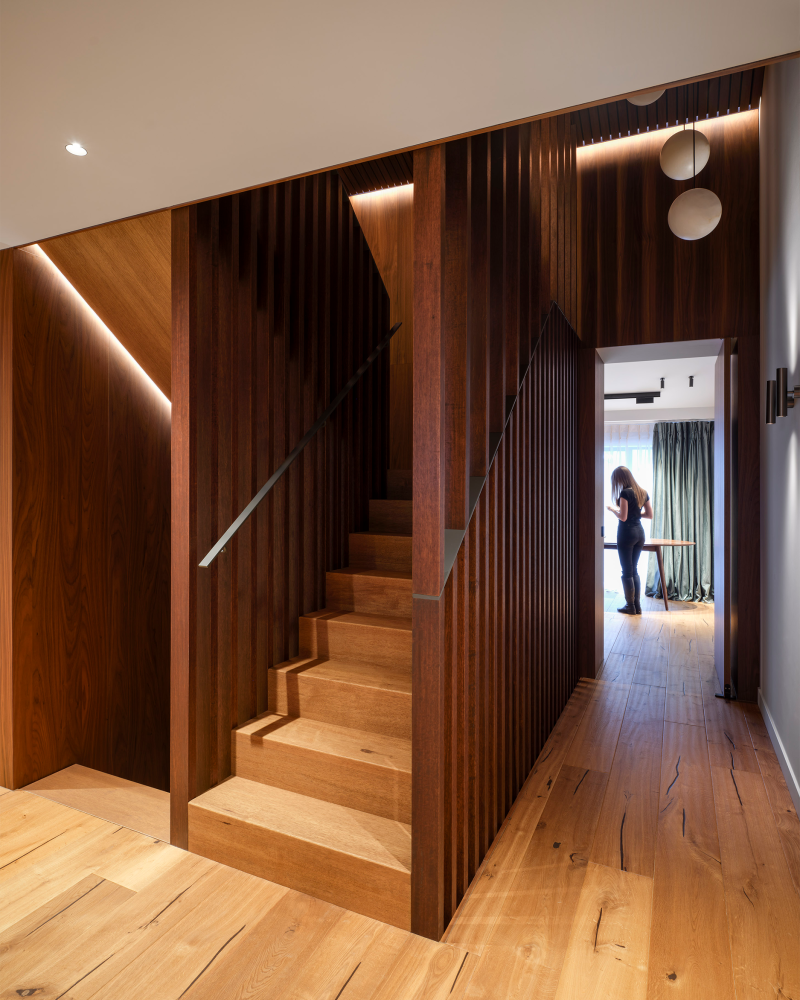
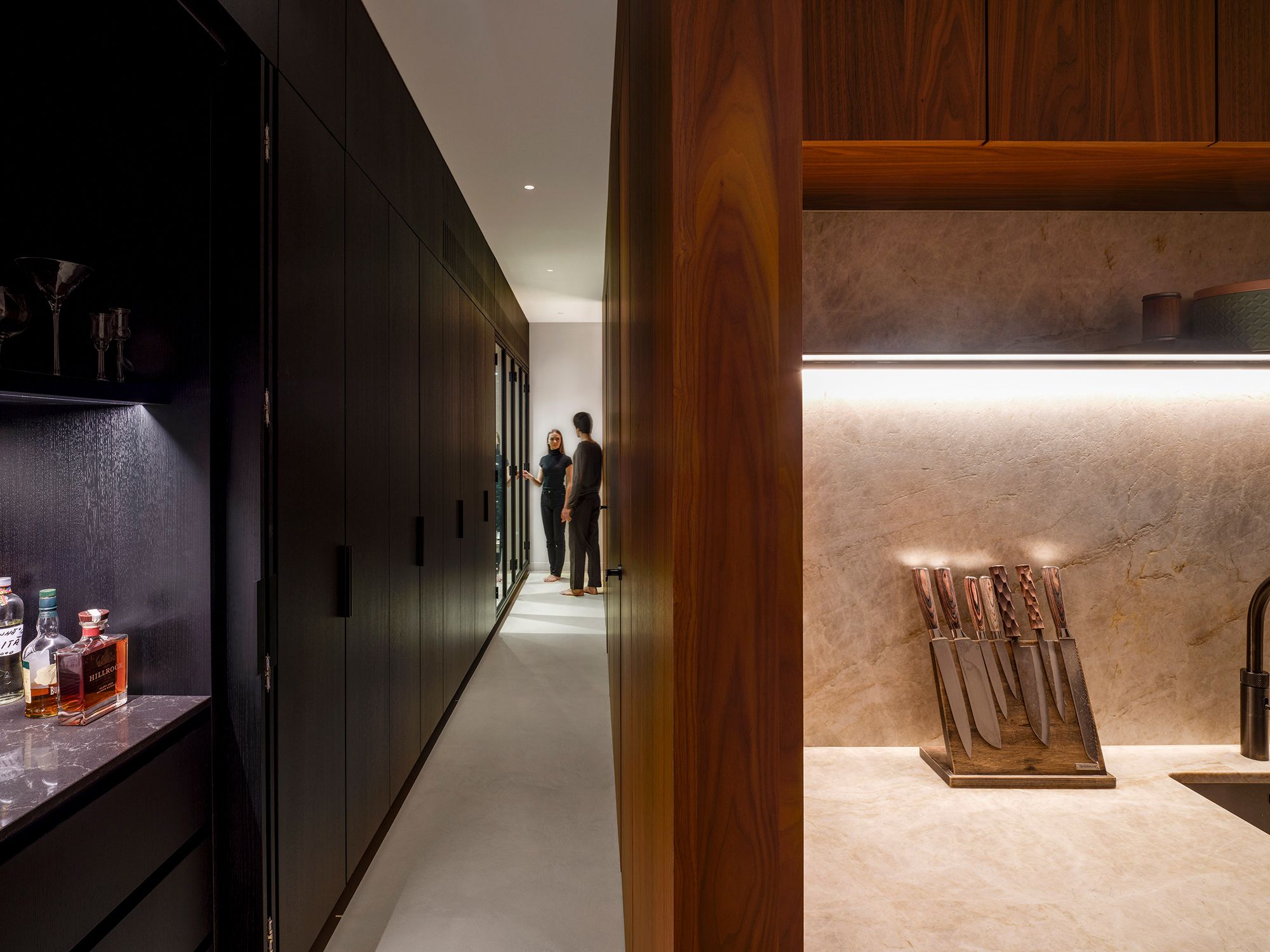
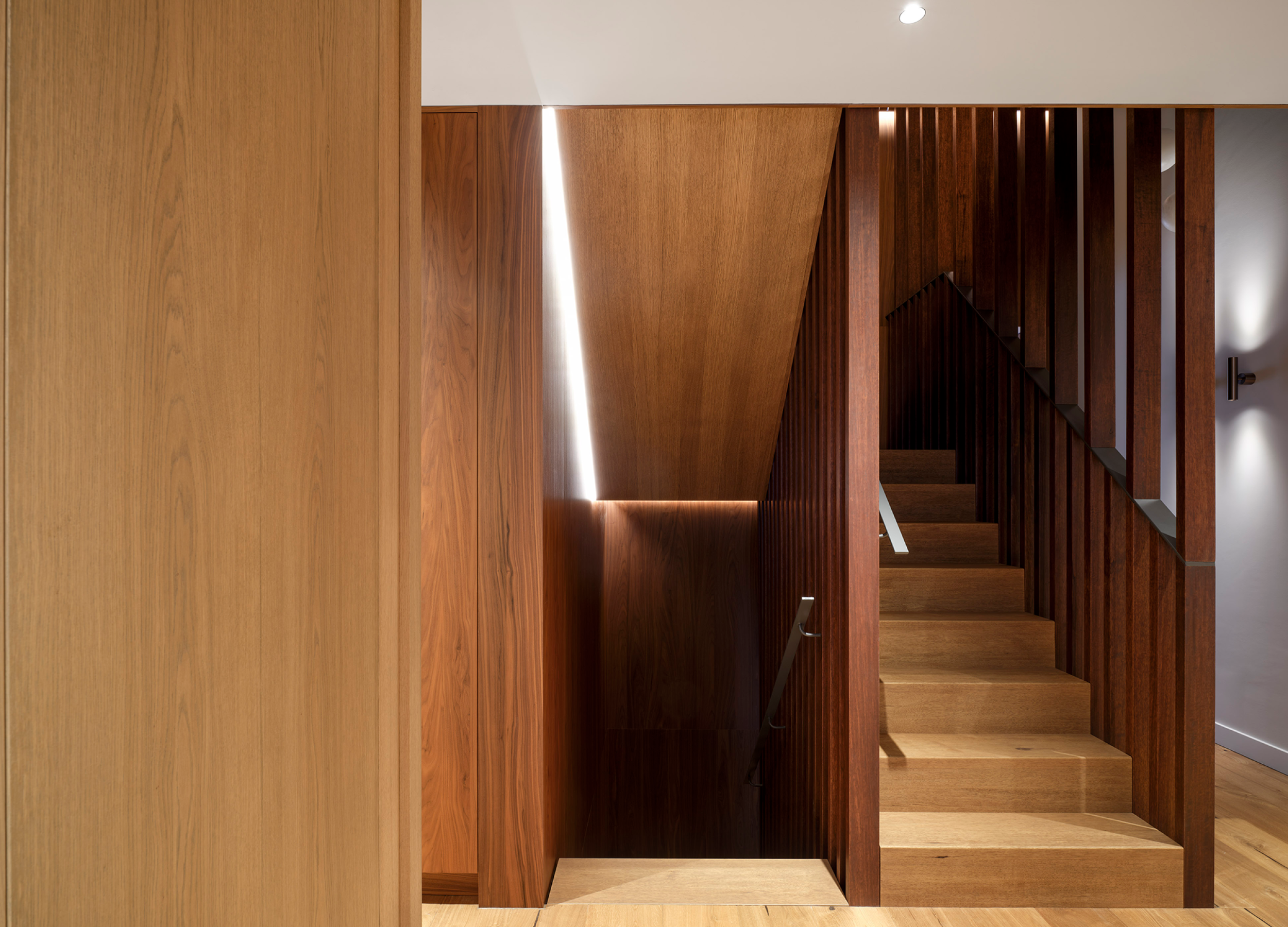
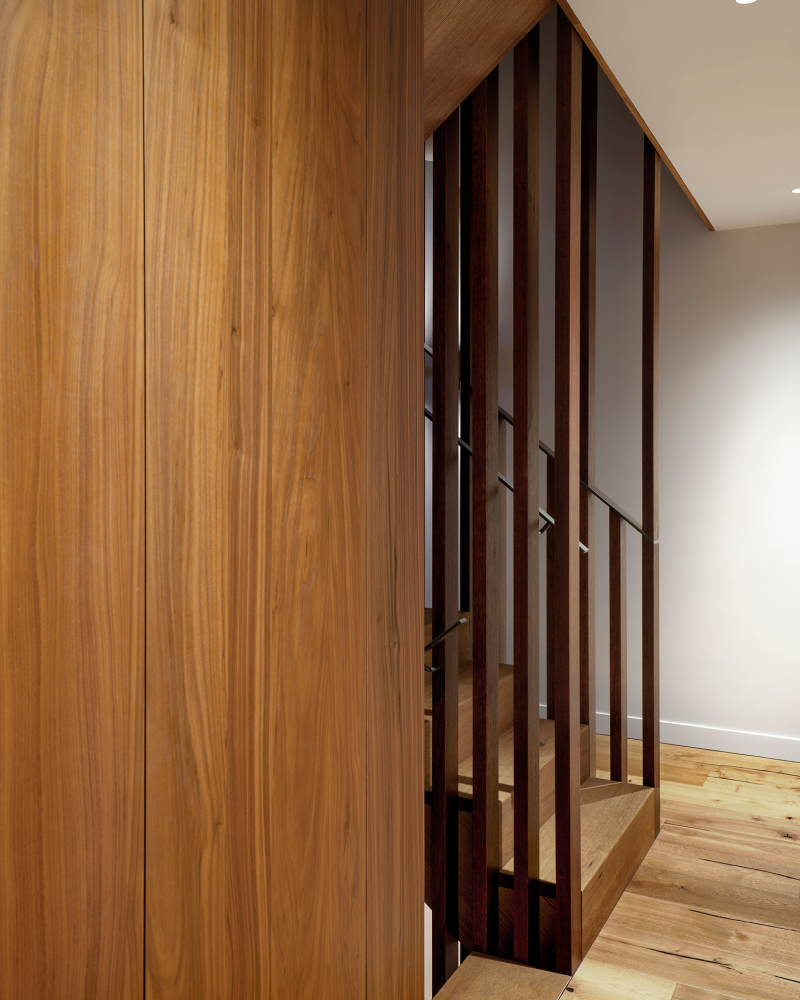
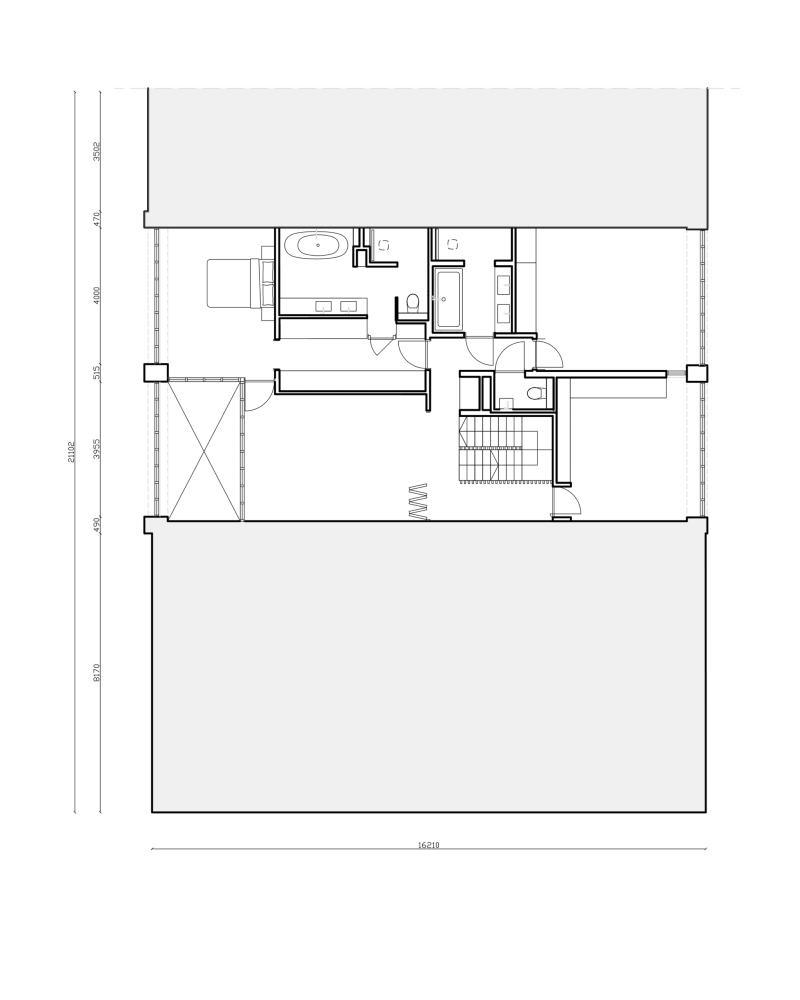
The interior is organised around a central wooden volume that connects and structures the three living levels. This core accommodates all supporting functions of the house, including storage, kitchen appliances, sanitary spaces, and technical installations. Concentrating what is closed allows the surrounding spaces to remain open and fluid, while continuous sightlines and circulation routes draw daylight deep into the plan. The wooden staircase unfolds within this volume as both a spatial sequence and an architectural object.

Light, Material, and Spatial Sequences
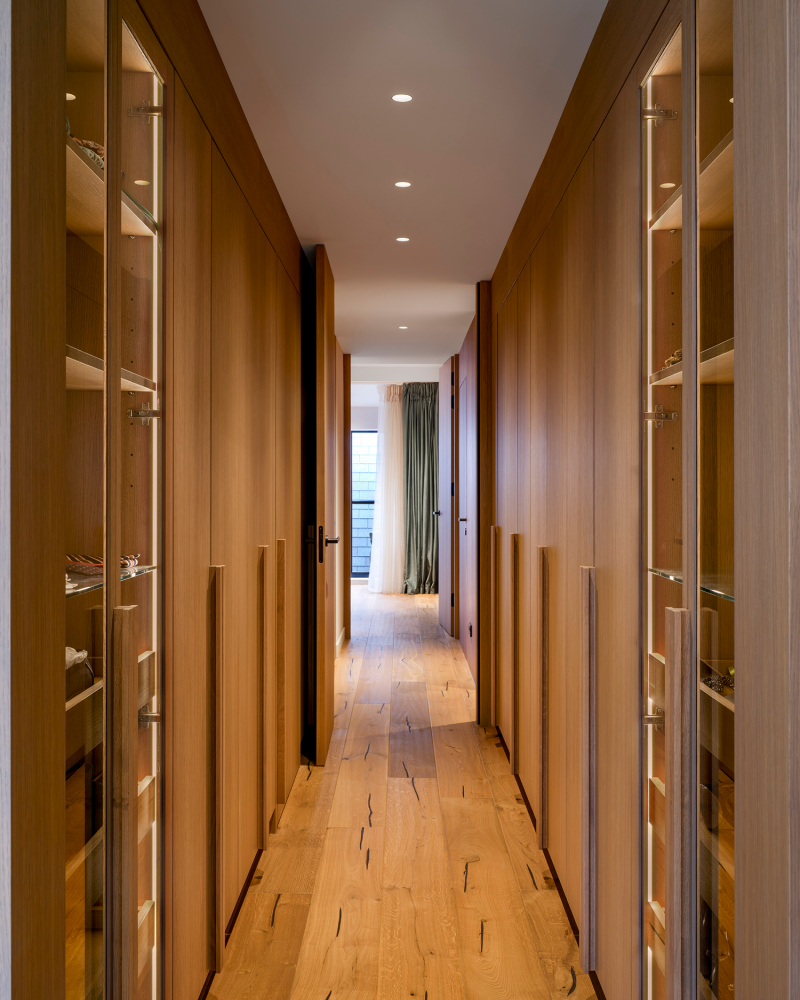
Material contrasts reinforce the spatial logic of the house. A walnut-clad core subtly contrasts with lighter oak finishes in floors and surrounding spaces, allowing light and shadow to articulate the interior. Openness alternates with moments of privacy, introduced through layered transitions and concealed access points. Visual connections between levels are strengthened by a full-grown tree rising through the central void, anchoring the interior and connecting the domestic spaces to the enclosed gardens.